
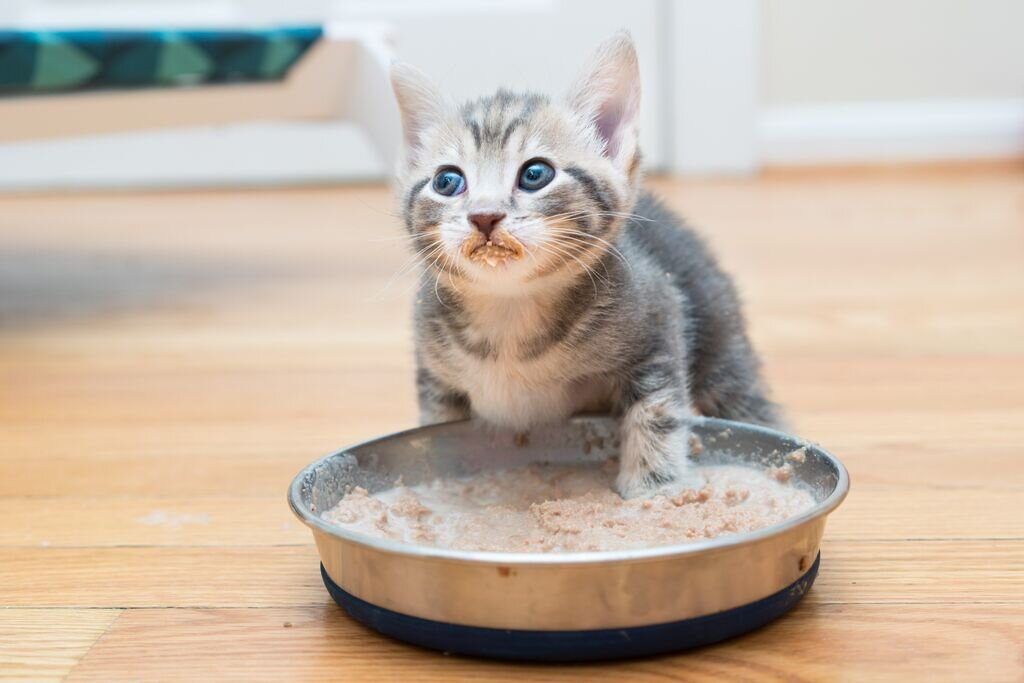
As a responsible cat parent, it’s essential to understand the process of weaning your kitten from its mother’s milk. This critical period can significantly impact the emotional and physical development of your feline friend. In this article, we’ll explore the importance of weaning kittens, the ideal time for separation, and provide a comprehensive guide on how to transition your kitten to solid food.
What is Kitten Weaning?
Kitten weaning refers to the process of transitioning your kitten from its mother’s milk or formula to solid food. This milestone marks the beginning of your kitten’s independence and sets the stage for a healthy, balanced diet. The ideal time for weaning kittens varies between 8-12 weeks, with most veterinarians recommending a gradual separation process.
Why is Kitten Weaning Important?
Kitten weaning is not just about feeding; it’s an essential step in your kitten’s emotional and physical development. Separating too early can lead to anxiety and trauma, while delaying the process may result in digestive issues and weight gain. A well-planned weaning strategy ensures a smooth transition and helps prevent potential health problems.
The Benefits of Gradual Weaning
Gradually introducing solid food to your kitten’s diet allows them to develop essential skills like eating, grooming, and self-care. This approach also reduces the risk of:
- Anxiety and stress
- Digestive issues (e.g., diarrhea, constipation)
- Weight gain or loss
- Nutritional deficiencies
When is the Right Time for Weaning?
The ideal time to start weaning your kitten depends on their age and development. Generally, kittens are ready for solid food between 4-8 weeks of age. However, some breeds (e.g., Siamese) may be more mature earlier, while others (e.g., Maine Coon) might need a bit longer.
How to Wean Your Kitten: A Step-by-Step Guide
- Prepare your kitten: Introduce a gradual transition from milk to solid food by offering small amounts of wet food or canned cat food.
- Monitor their progress: Observe your kitten’s eating habits, appetite, and overall health. Adjust the weaning schedule as needed.
- Gradually increase portion sizes: Gradually introduce larger portions of solid food, allowing your kitten to adjust to the new texture and taste.
- Maintain a balanced diet: Ensure your kitten is receiving a well-balanced diet that meets their nutritional needs.
Common Challenges During Weaning
Some common issues you may encounter during the weaning process include:
- Refusal to eat: Try offering different types of food or flavors to stimulate their appetite.
- Digestive problems: If your kitten experiences diarrhea, vomiting, or other digestive issues, consult with your veterinarian for guidance.
Tips for a Smooth Weaning Process
To ensure a smooth transition, consider the following tips:
- Maintain a consistent routine: Stick to a regular feeding schedule to help your kitten adjust.
- Offer plenty of water: Ensure your kitten has access to fresh water at all times.
- Provide a stimulating environment: Engage your kitten in play and provide puzzle toys to keep them entertained.
- Monitor their weight: Regularly weigh your kitten to ensure they’re not gaining or losing too much weight.
Conclusion: A Smooth Transition is Key
Kitten weaning is a critical process that requires patience, understanding, and proper planning. By following this guide and consulting with your veterinarian, you can ensure a smooth transition from milk to solid food, setting the stage for a healthy, happy life for your feline friend.
Frequently Asked Questions (FAQs)
- Q: How long does kitten weaning take?
A: The duration of weaning varies between 8-12 weeks, depending on the individual kitten’s development. - Q: Can I start weaning my kitten at 4 weeks?
A: While some kittens may be ready for solid food earlier, it’s generally recommended to wait until they’re around 8 weeks old. - Q: What are the most common challenges during kitten weaning?
A: Common issues include refusal to eat, digestive problems, and anxiety. - Q: Can I feed my kitten homemade food during weaning?
A: While it’s possible to offer homemade food, consult with your veterinarian to ensure the diet meets your kitten’s nutritional needs.
Additional Resources
For more information on kitten care, nutrition, and behavior, explore these trusted resources:
- American Animal Hospital Association (AAHA): www.aaha.org
- International Cat Care: www.icatcare.org
- Cat Nutrition Expert: www.catnutritionexpert.com
By understanding the importance of kitten weaning and following a well-planned transition, you can set your feline friend up for a lifetime of health, happiness, and vitality.


