
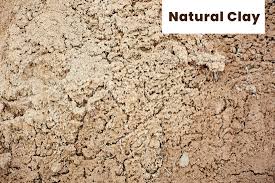
In the realm of bio architecture, a material so ancient and versatile has been gaining attention: raw clay. Also known as terra cruda, this natural substance has been used for centuries to build structures that not only blend harmoniously with nature but also provide numerous benefits for human health and well-being.
A Brief History of Raw Clay
Raw clay is an incredibly old material, dating back thousands of years. Its uses extend far beyond traditional building practices, making it a valuable resource in modern bio architecture. Whether used as a standalone material or combined with other natural substances, raw clay offers unparalleled advantages in terms of sustainability and health benefits.
Properties of Raw Clay
So, what makes raw clay so special? Here are just a few of its remarkable properties:
- High Thermal Mass: Raw clay has an excellent capacity to absorb and release heat, making it an ideal material for regulating indoor temperatures.
- Natural Insulation: Its high thermal mass allows raw clay to act as a natural insulator, reducing the need for artificial heating and cooling systems.
- Fonoassorbent Properties: Raw clay’s unique properties make it an effective sound absorber, creating a peaceful environment for occupants.
Applications of Raw Clay in Bio Architecture
Raw clay is not just limited to building materials; its uses extend far beyond traditional construction practices. Here are some innovative ways raw clay can be utilized:
- Pavements: Mix raw clay with other natural substances like sabbia calcarea and gesso for a durable yet eco-friendly pavement solution.
- Thermal Mass Walls: Use raw clay as a building material to create thermal mass walls that regulate indoor temperatures and reduce energy consumption.
- Soundproofing: Incorporate raw clay into acoustic panels or soundproofing materials to minimize noise pollution.
Combining Raw Clay with Other Materials
While raw clay has numerous benefits, it can be combined with other natural substances to enhance its performance. Some popular combinations include:
- Leviter: A product that unites the characteristics of raw clay with natural ingredients like olive oil, orange essence, and beeswax.
- Caedo: An isolating material made from sabbia calcarea and argilla pura.
Benefits of Raw Clay in Bio Architecture
Raw clay offers numerous benefits in bio architecture, including:
- Energy Efficiency: Raw clay’s high thermal mass helps regulate indoor temperatures, reducing the need for artificial heating and cooling systems.
- Noise Reduction: The fonoassorbing properties of raw clay create a peaceful environment for occupants, reducing noise pollution.
- Sustainability: Using raw clay in bio architecture reduces the need for synthetic materials and minimizes environmental impact.
Challenges and Limitations
While raw clay has numerous benefits, there are also some challenges and limitations to consider:
- Availability: Raw clay may not be readily available in all areas, making it necessary to source from local suppliers.
- Processing: Raw clay requires proper processing and treatment to enhance its performance and durability.
- Cost: Using raw clay can be more expensive than traditional building materials.
Conclusion
Raw clay is an ancient yet versatile material that offers numerous benefits in bio architecture. Its high thermal mass, natural insulation, and fonoassorbing properties make it an ideal choice for building materials, pavements, and soundproofing solutions. Whether combined with other natural substances or used as a standalone material, raw clay has the potential to revolutionize the way we build and live.
Frequently Asked Questions
- Q: What is raw clay?
A: Raw clay, also known as terra cruda, is a natural substance composed of inorganic materials like silicates. - Q: How can I use raw clay in my bio architecture projects?
A: Explore various applications for raw clay, including pavements, thermal mass walls, and soundproofing solutions. - Q: What are the benefits of using raw clay in bio architecture?
A: Raw clay offers numerous health benefits, such as regulating indoor temperatures and reducing noise pollution.


