
Introduction
Peperomia is a fascinating genus of plants that consists of over 1000 species, all originating from the tropical and subtropical regions of South America. This article will delve into the characteristics, care, and benefits of Peperomia, making it an ideal addition to any indoor space.
What are Peperomia Plants?
Peperomia plants belong to the Piperaceae family, which also includes the common pepper plant. The name “peperomia” comes from the Greek word “piperion,” meaning “similiar to pepper.” These plants are known for their unique characteristics, such as their large, fleshy leaves and ability to thrive in low-light conditions.
Characteristics of Peperomia Plants
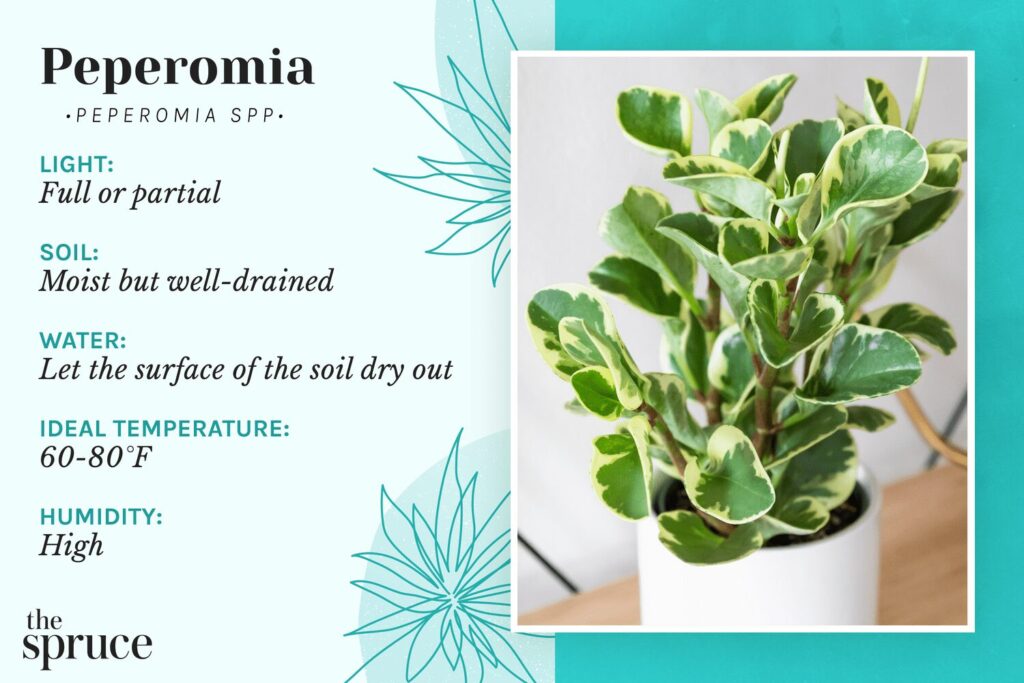
Peperomia plants come in a variety of shapes and sizes, but most species grow up to 30 centimeters in height. They have thick, succulent leaves that can be green or variegated with white or gray markings. Some popular varieties include Marble, Minima, and Variegata.
Benefits of Peperomia Plants
Peperomia plants are low-maintenance and can tolerate dry conditions, making them perfect for busy people or those new to indoor gardening. They also purify the air by removing toxins and pollutants, creating a healthier environment.
History of Peperomia
The history of Peperomia dates back to ancient times when it was used in traditional medicine and rituals by indigenous cultures in South America. In recent years, Peperomia has gained popularity as an ornamental plant due to its unique appearance and low-maintenance requirements.
Cultivation Methods
Peperomia plants can be grown using various cultivation methods, including hydroponics, aeroponics, and traditional potting soil. They are often propagated through leaf cuttings, division, or seed germination.
Propagation Techniques
There are several propagation techniques used to multiply Peperomia plants. These include:
- Leaf Cuttings: Take a healthy leaf from the mother plant, allow it to dry for a few days, and then plant it in a pot filled with moistened soil.
- Division: Divide the roots of the mother plant into smaller sections and replant them in individual pots.
- Seed Germination: Sow seeds in a seed starting mix and provide adequate light, water, and temperature conditions for germination.
Pest and Disease Management
Regularly inspect your Peperomia plant for signs of pests or diseases. Use organic pest control methods whenever possible to prevent the spread of disease.
Common Problems and Solutions
- Overwatering: Reduce watering frequency, and ensure good air circulation around the plant.
- Underwatering: Increase watering frequency, but avoid getting water on the leaves to prevent fungal diseases.
- Root Rot: Repot the plant in fresh soil and trim away any affected roots.
Tips for Growing Peperomia Plants
Here are some additional tips for growing Peperomia plants:
- Provide Enough Light: While Peperomia plants can tolerate low light, they prefer bright, indirect light.
- Maintain Optimal Temperature: Most Peperomia species thrive in temperatures between 65-75°F (18-24°C).
- Water Wisely: Avoid overwatering and allow the soil to dry slightly between waterings.
Conclusion
Peperomia plants are a great addition to any indoor space due to their unique characteristics, low-maintenance care, and air-purifying properties. By following these care tips and being aware of common problems, you can enjoy the benefits of having a Peperomia plant in your home or office.
Frequently Asked Questions
- Q: What is the ideal temperature for Peperomia plants?
- A: Most Peperomia species prefer temperatures between 65-75°F (18-24°C).
- Q: Can I grow Peperomia plants outdoors?
- A: While it’s possible to grow Peperomia plants outdoors, they typically thrive in low-light conditions and can be sensitive to extreme temperatures.
- Q: How often should I fertilize my Peperomia plant?
- A: Feed your Peperomia plant with a balanced fertilizer every 3 weeks during the growing season.
- Q: Can I propagate Peperomia plants through division?
- A: Yes, you can divide your Peperomia plant to create new plants. However, leaf cuttings are generally easier and more reliable.
- Q: What is the best way to repot my Peperomia plant?
- A: Use a well-draining potting mix, and choose a pot that’s only slightly larger than the current one. Repot your Peperomia plant every 1-2 years to maintain its health and appearance.
By understanding the characteristics, care, and benefits of Peperomia plants, you can create a thriving indoor environment that promotes well-being and aesthetics.


