
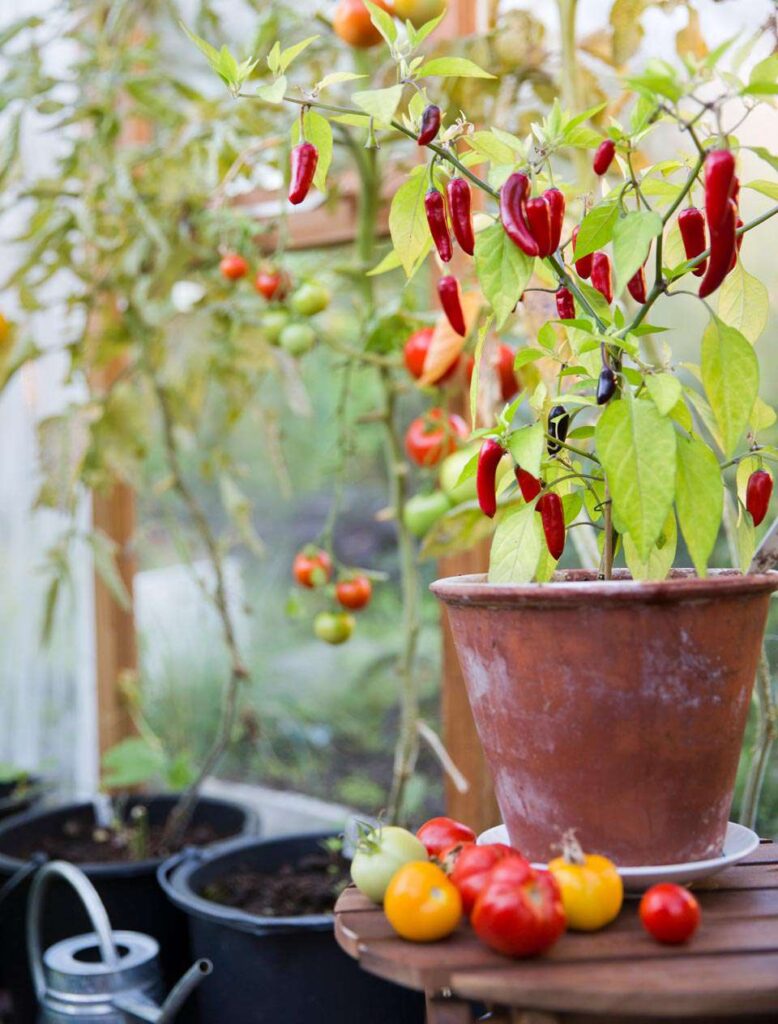
As we approach spring, it’s time to start thinking about planting those delicious peppers that will eventually find their way into our gardens. And why not start by growing them in pots? Not only can you enjoy the fruits of your labor sooner, but you can also grow them on balconies or patios without taking up too much space.
In this article, we’ll dive into the world of pepper cultivation in pots and explore the best varieties to choose from. We’ll cover everything from selecting the right pot size to common pests and diseases that can affect your plants.
Choosing the Right Pepper Variety
Not all sweet peppers are created equal when it comes to growing them in pots. Some varieties are better suited for container gardening than others, thanks to their compact growth habits and high yields.
One of our top recommendations is the ‘Pepper Quadrato d’Asti’ variety. This Italian sweet pepper has a unique quadrangular shape, which makes it perfect for potting. Its compact growth habit means it won’t spread too much, making it ideal for small spaces.
Another great option is the ‘Pepper Quadrado d’Asti’, also known as ‘Asti Pepper’. This variety is known for its excellent yields and can produce up to 2.5 kg of peppers per plant, making it a great choice for container gardeners.
When to Plant Peppers in Pots
The best time to plant peppers in pots depends on your location. In general, it’s recommended to start sowing seeds indoors in late January or early February, about 4-6 weeks before the last frost date. This will give your seedlings a head start and ensure they’re healthy enough to withstand outdoor temperatures.
For areas with mild winters, you can plant peppers directly in pots as soon as the soil can be worked in late March or early April.
Sowing Peppers
To sow peppers, start by soaking the seeds in warm water for 24 hours. Then, plant them about 1 inch deep in a seed starting mix, and water gently but thoroughly. Cover the pot with a clear plastic bag to maintain humidity and provide warmth.
Once your seedlings have two sets of leaves, you can transplant them into larger pots or directly into the ground. Make sure the pot has good drainage holes to prevent waterlogged soil.
Container Size Matters
When it comes to choosing a pot for peppers, size matters. A minimum pot size of 40 cm in diameter is recommended, as this will provide enough room for the roots to grow and support the plant’s weight.
Smaller pots can lead to reduced yields and increased risk of root bound, which can cause problems for the plant.
Choosing the Right Soil
Another important factor to consider when growing peppers in pots is the soil. A well-draining potting mix with a pH between 6.0-7.0 will provide optimal conditions for your pepper plants.
Look for a mix that contains compost or peat moss, as these will help retain moisture and nutrients in the soil.
Fertilizing Peppers
Fertilization is an essential part of growing peppers in pots. Use a balanced fertilizer with a pH between 6.0-7.0, and follow the instructions on the label for application rates.
You can also use compost tea as a natural alternative to synthetic fertilizers. Simply steep a bucket of compost in water for 24 hours, then strain it and use it as a foliar spray or add it to the soil.
Common Pests and Diseases
As with any plant, peppers are susceptible to pests and diseases. Some common issues include:
- Fungal infections: Fungi like Botritis and Cladosporium can infect the plant’s roots, causing damage and reducing yields.
- Root rot: Overwatering can cause root rot, leading to a decline in plant health.
- Aphids and whiteflies: These pests can suck sap from leaves, reducing photosynthesis and affecting plant growth.
To combat these issues, use organic pest control methods whenever possible. For fungal infections, apply copper-based fungicides or neem oil directly to the affected areas.
Tips for Growing Peppers in Pots
Here are some additional tips to help you grow delicious peppers in pots:
- Provide adequate sunlight: Most pepper varieties require at least 6 hours of direct sunlight per day.
- Maintain proper temperature: Pepper plants prefer daytime temperatures between 65-75°F (18-24°C) and nighttime temperatures around 55-65°F (13-18°C).
- Monitor humidity levels: Keep the soil consistently moist, but not waterlogged. A humid environment can lead to fungal growth.
- Prune regularly: Regular pruning will help control the plant’s size and promote healthy growth.
Conclusion
Growing peppers in pots is a great way to enjoy fresh produce year-round, without taking up too much space. By choosing the right variety, providing adequate care, and monitoring for pests and diseases, you can achieve healthy and productive pepper plants.
With these tips and guidelines, you’ll be well on your way to growing delicious peppers in pots that will impress even the most discerning chefs.
FAQs
- What’s the best time to plant peppers in pots?
- How often should I water my pepper plants?
- Can I grow sweet peppers in small pots?
- What are some common pests that affect pepper plants?
- How can I prevent fungal infections in my pepper plants?
- Are there any specific fertilizers recommended for pepper plants?
- Can I use hydroponics to grow peppers?
- How long does it take for peppers to mature after transplanting?


