
Soy, also known as soybean or soia, is a legume that has been a staple in many cuisines for centuries. With its high protein content, soy is often compared to meat, making it an excellent option for vegetarians and vegans. But what makes soy so special? In this article, we’ll delve into the world of soy, exploring its history, nutritional benefits, and health advantages.
What is Soy?
Soybeans are a type of legume that belongs to the genus Glycine. They are native to Asia and have been cultivated for over 5,000 years in China. The plant has two main varieties: soybean (Glycine max) and wild soybean (Glycine soja). Soy is an annual crop with a prostrate growth habit, producing white, pink, or purple flowers that form racemes (clusters of flowers).
Cultivation and Harvesting
Soybeans are typically grown in temperate climates with adequate water supply. The crop is harvested when the beans turn yellow, and the pods contain 2-4 seeds each. However, soybeans are not edible raw and require processing to be consumed.
Nutritional Benefits of Soy
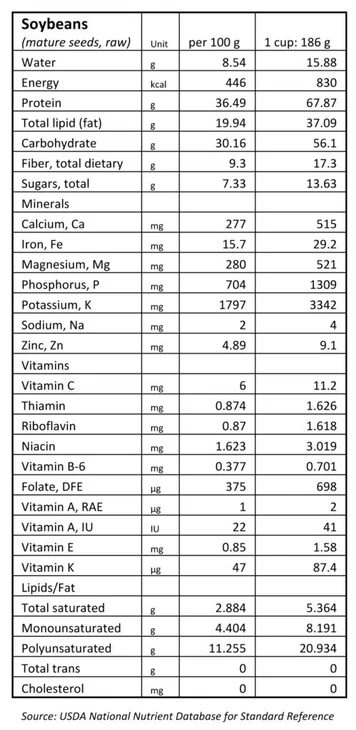
Soybeans are a nutrient-rich food, containing:
- 40% protein: making them an excellent source of plant-based protein
- 20% fat: with a mix of saturated and unsaturated fats
- Fiber: aiding digestion and satiety
- Minerals: such as potassium, phosphorus, calcium, and magnesium
- Vitamins: including vitamin A, vitamin B complex, and vitamin C
Health Benefits of Soy
Soy has been linked to various health benefits, including:
- Lowering cholesterol levels: due to its high fiber content and ability to bind bile acids
- Reducing cancer risk: thanks to its isoflavones, which may help prevent cell proliferation and tumor growth
- Supporting heart health: through its potassium content and ability to lower blood pressure
Types of Soy
There are several types of soy, including:
- Soybean (Glycine max): the most common variety
- Wild soybean (Glycine soja): a type of soybean native to Asia
- Soia gialla: a yellow variety often used in food production
- Soia verde: a green variety also known as fagiolo mung
Food Forms of Soy
Soy is commonly consumed in various forms, including:
- Tofu: a soybean curd made from coagulated soy milk
- Miso: a fermented soybean paste used in Japanese cooking
- Salsa di soia: a fermented soybean sauce often served as a condiment
- Latte di soia: a plant-based milk alternative made from soybeans
Frequently Asked Questions
Here are some answers to common questions about soy:
- Is soy safe for everyone?
- Soy is generally considered safe, but it may be contraindicated in individuals with severe allergies or sensitivities.
- Can I grow my own soy plants?
- Yes, soybeans can be grown at home, but they require specific climate conditions and care.
- What are the different types of soy products?
- Soy products include tofu, miso, salsa di soia, latte di soia, and more.
Soy in History
Soy has been an important crop in Asian cuisine for centuries. In China, soybeans were first domesticated during the Zhou Dynasty (1046–256 BC). They were used as a food source and also had spiritual significance.
In Japan, soy was introduced during the 17th century and became an integral part of Japanese cuisine, particularly in the form of miso and soy sauce. In Korea, soy was used to make a variety of products, including soy milk and tofu.
Soy Around the World
Today, soy is grown in many countries around the world, with China, India, Brazil, and Argentina being among the top producers. Soybeans are an important crop for animal feed and human consumption.
In the Western world, soy was initially used as a food source by vegetarians and vegans, but it has since become more mainstream due to its nutritional benefits and versatility in cooking.
Culinary Uses of Soy
Soy is a versatile ingredient that can be used in many different dishes, from traditional Asian cuisine to modern fusion recipes. Some popular ways to use soy include:
- Marinades: soy sauce, soy milk, or tofu can be used as a marinade for meat, vegetables, or tofu
- Sauces and condiments: soy sauce, miso, salsa di soia, and latte di soia can add flavor to various dishes
- Stir-fries: soybeans, tofu, and tempeh are commonly used in stir-fries for their protein content and versatility
Tips for Incorporating Soy into Your Diet
Incorporating soy into your diet can be easy and delicious. Here are some tips:
- Start with small amounts: if you’re new to soy, start by adding it to small portions of meals
- Experiment with different forms: try tofu, miso, salsa di soia, or latte di soia in various dishes
- Choose high-quality products: look for organic, non-GMO, and locally sourced soy products whenever possible
Conclusion
Soy is a nutrient-rich food that offers numerous health benefits. By understanding its history, nutritional content, and various forms, you can incorporate soy into your diet and reap its rewards. Whether you’re a vegetarian, vegan, or simply looking for new ways to boost your nutrition, soy is definitely worth exploring.
With its versatility in cooking, rich nutritional profile, and potential health benefits, soy is an excellent choice for anyone looking to adopt a healthier lifestyle.


