
Introduction
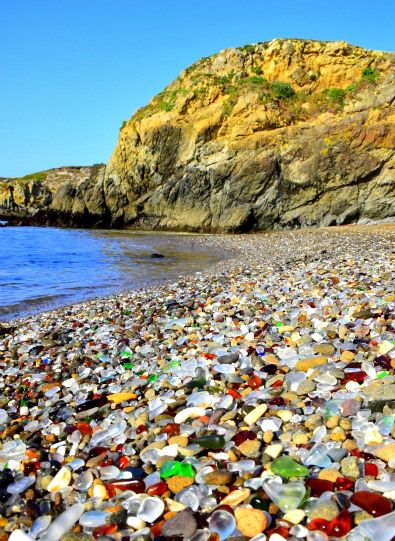
As we gaze out at the vast expanse of the ocean, it’s hard not to be awestruck by the natural wonders that lie beneath its surface. One such wonder is the phenomenon of colored beaches, where the sands take on hues of pink, green, and even purple. These stunning displays of color are a result of the unique geological processes that shape our planet’s coastlines. In this article, we’ll embark on a journey to explore the most beautifully colored beaches in the world, and uncover the secrets behind their mesmerizing colors.
The Science Behind Colored Beaches
So, why do some beaches take on these incredible hues? The answer lies in the composition of the sand itself. Sand is made up of tiny particles of rock and minerals that have been eroded from mountains and transported to the beach by waves and currents. These particles can come from a variety of sources, including coral reefs, volcanic rocks, and even freshwater sources.
For example, at Harbour Island in the Bahamas, the pink sand is caused by the presence of foraminiferi, tiny organisms that have shells made of calcium carbonate. As these shells are crushed and mixed with the white sand, they create a unique pink color. Similarly, at Tybee Island in Georgia, USA, the sand is colored by red iron oxide, which gives it a reddish hue.
The Pink Sand Beach
One of the most famous colored beaches in the world is the Pink Sand Beach on Harbour Island in the Bahamas. This stunning beach stretches for 3 miles and can only be accessed by boat. To preserve the delicate ecosystem, vehicles are banned from the island, except for electric cars and bicycles. Visitors can enjoy the breathtaking views and unique wildlife of this tiny island paradise.
The pink sand is also known as “shell sand,” as it’s created by the shells of millions of tiny organisms that have been crushed into fine particles over time. This process is called biogenic sedimentation, and it’s responsible for the distinctive color of many beaches around the world.
The White Sand Beach
On the other side of the world, in New South Wales, Australia, lies the Hyams Beach, which boasts the whitest sand in the world. According to Guinness World Records, Hyams Beach has a whopping 99.85% white sand, making it the perfect spot for sunbathing and swimming.
The secret behind this dazzling white sand? The presence of tiny quartz particles that reflect the sunlight and create an optical illusion of pristine whiteness. Visitors to Hyams Beach can enjoy snorkeling, surfing, and other water activities in the crystal-clear waters of the Pacific Ocean.
Red Sand Beach
In Canada, Prince Edward Island is home to a stunning red sand beach, caused by the presence of iron oxide and other minerals in the soil. This unique beach is unlike any other, with a rugged landscape that’s dotted with rocky outcroppings and driftwood.
Despite its remote location, this beach has become a popular destination for nature lovers and photographers, who come to capture the breathtaking views and experience the raw power of the ocean.
Blue-Hued Wonders
For those who love a good dose of blue, there are several beaches around the world that fit the bill. One such example is Vahdoo Beach in the atoll of Raa, Maldive, which boasts a stunning turquoise color that’s simply out of this world.
This phenomenon was captured by Taiwanese photographer Will Hom on a recent expedition to the island, where he snapped breathtaking photos of the beach and its crystal-clear waters. Visitors can explore the coral reefs, spot marine life, and experience the unique culture of this remote atoll.
The Green Sand Beach
In Hawaii, USA, lies the Green Sand Beach, also known as Papakolea Beach, which is one of only four green sand beaches in the world. The color is caused by the presence of olivine crystals, which are rich in iron and magnesium.
These crystals are formed through a geological process called weathering, where rocks are broken down into smaller particles over time. The resulting sand is then carried to the beach by waves and currents, creating a stunning green hue that’s unlike anything else in nature.
The Yellow Sand Beach
In Mexico, Playa Escondida, located on the island of Cozumel, boasts a unique yellow sand color. This phenomenon is caused by the presence of iron oxide and other minerals in the soil, which give the sand its distinctive shade.
Visitors to this beach can enjoy snorkeling, swimming, and sunbathing on the warm white sand, while taking in the breathtaking views of the Caribbean Sea.
Conclusion
As we conclude our journey through the most beautifully colored beaches in the world, it’s clear that nature has an incredible array of tricks up her sleeve. From pink to white, red to blue, green to yellow, these beaches are a testament to the power and beauty of our planet.
Whether you’re a beach enthusiast, a photographer, or simply someone who appreciates the beauty of nature, there’s something for everyone on this list. So next time you’re planning a trip to the beach, consider visiting one of these stunning destinations and experiencing the natural wonders that will leave you breathless.
Frequently Asked Questions
- Q: What causes colored beaches?
A: Colored beaches are caused by the unique composition of the sand itself, which can include minerals, rocks, and other particles that give them their distinctive hues. - Q: How do foraminiferi affect beach color?
A: Foraminiferi, tiny organisms with shells made of calcium carbonate, can create pink or white colors in beaches by mixing with the sand. - Q: What makes Hyams Beach so special?
A: Hyams Beach has a 99.85% white sand, making it the whitest sand in the world according to Guinness World Records. - Q: How do quartz particles create white sand?
A: Quartz particles reflect sunlight and create an optical illusion of pristine whiteness, giving Hyams Beach its dazzling appearance. - Q: What causes red sand beaches?
A: Iron oxide and other minerals in the soil can cause red or pink colors in beaches, as seen at Prince Edward Island in Canada. - Q: How do blue-hued beaches form?
A: Coral reefs and calcium carbonate deposits can create turquoise or blue colors in beaches, like Vahdoo Beach in Maldive. - Q: Are colored beaches rare?
A: No, colored beaches are relatively common, but their unique characteristics and locations make them stand out as truly exceptional natural wonders.
Tips for Visiting Colored Beaches
- Be respectful: Remember to respect the delicate ecosystems of these beaches and avoid disrupting the natural environment.
- Bring sunscreen: Protect your skin from the sun’s strong rays, especially if you plan on spending extended periods at the beach.
- Pack a picnic: Bring snacks and drinks to enjoy while taking in the breathtaking views of these stunning beaches.
- Explore nearby attractions: Take advantage of opportunities to explore nearby islands, reefs, or other natural wonders.
- Be mindful of weather conditions: Check forecasts before visiting and be prepared for sudden changes in weather.
By following these tips and exploring the most beautifully colored beaches in the world, you’ll be able to experience the beauty and wonder of nature’s incredible creations.


