
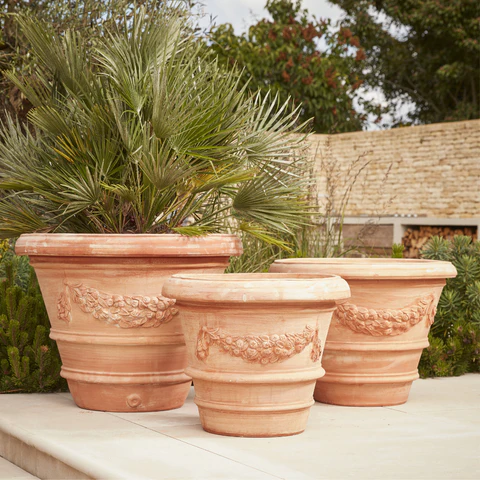
Cooking with terracotta pots has been a staple in many cultures for centuries. These natural, ceramic vessels offer a unique cooking experience that can add depth and complexity to your dishes. In this article, we’ll delve into the benefits of using terracotta pots, how to care for them, and provide tips for getting started.
What Makes Terracotta Pots Special?
Terracotta pots are made from natural materials that have been used for cooking and storing food for thousands of years. They’re known for their ability to distribute heat evenly, making them ideal for slow-cooking methods like braising and stewing. This means you can cook a variety of meals using your terracotta pot, from hearty stews to delicate sauces.
Choosing the Right Terracotta Pot
When selecting a terracotta pot, look for one that is glazed both inside and out. Avoid pots with uneven or worn-out glazes, as they can absorb moisture and harbor bacteria. Also, opt for pots made from high-quality materials that are free from toxic substances like lead.
The Importance of Safety Precautions
While cooking with terracotta pots can be a fun and rewarding experience, it’s essential to take safety precautions into consideration. Here are some guidelines to keep in mind:
- Avoid direct heat: Never place your terracotta pot directly on the stove or oven burner. Instead, use a heat diffuser or trivet to distribute the heat evenly.
- Handle with care: Be gentle when handling your terracotta pot, as it can be prone to chipping or cracking if dropped.
- Keep it clean: Regularly wash and dry your terracotta pot to prevent the buildup of bacteria and grime.
Preparing Your Terracotta Pot for Use
Before using your terracotta pot, make sure it’s been properly prepared. Here are some steps to follow:
- Soak the pot: Submerge your terracotta pot in cold water for at least 24 hours to help loosen any dirt or debris.
- Dry the pot: After soaking, dry your terracotta pot thoroughly using a soft cloth or paper towels.
- Season the pot: Apply a thin layer of cooking oil or wax to the inside and outside of the pot to prevent rust and promote even heating.
Tips for Cooking with Terracotta Pots
Once you’ve prepared your terracotta pot, it’s time to start cooking! Here are some additional tips to keep in mind:
- Use gentle heat: Avoid sudden temperature changes when cooking with a terracotta pot. Instead, use gentle heat to prevent scorching or burning.
- Don’t overcrowd: Be mindful of the amount of food you’re cooking in your terracotta pot. Overcrowding can lead to uneven heating and a lackluster final product.
- Experiment with recipes: Terracotta pots are versatile, so don’t be afraid to experiment with different recipes and ingredients.
Benefits of Cooking with Terracotta Pots
Cooking with terracotta pots offers several benefits that can enhance your cooking experience. Here are some of the advantages:
- Even heat distribution: Terracotta pots are designed to distribute heat evenly, ensuring that your food is cooked consistently.
- Rich flavors: The natural materials used in terracotta pots impart a rich, earthy flavor to your dishes.
- Energy efficiency: Cooking with terracotta pots can be more energy-efficient than using traditional cooking methods.
- Cost-effective: Terracotta pots are often less expensive than other cookware options, making them a cost-effective choice for home cooks.
Conclusion
Cooking with terracotta pots is a fun and rewarding experience that can add depth and complexity to your dishes. By following these tips and guidelines, you’ll be well on your way to becoming a master of this ancient cooking technique.
Frequently Asked Questions (FAQs)
- Q: Are terracotta pots safe for cooking?
A: Yes, when properly prepared and cared for, terracotta pots can be a safe and healthy choice for cooking. - Q: Can I use a terracotta pot in the oven?
A: While it’s possible to use a terracotta pot in the oven, it’s not recommended. Instead, use a heat diffuser or trivet to distribute the heat evenly. - Q: How do I clean my terracotta pot?
A: Regularly wash and dry your terracotta pot using mild soap and water. Avoid abrasive cleaners or scrubbers that can damage the glaze. - Q: Can I use a terracotta pot on the stovetop?
A: Yes, but be cautious when handling hot pots. Use oven mitts or tongs to handle your terracotta pot when it’s in contact with direct heat. - Q: How do I prevent rust on my terracotta pot?
A: Apply a thin layer of cooking oil or wax to the inside and outside of your terracotta pot to prevent rust and promote even heating. - Q: Can I use a terracotta pot for baking?
A: While it’s possible to use a terracotta pot for baking, it’s not recommended. Terracotta pots are best suited for slow-cooking methods like braising and stewing. - Q: How do I store my terracotta pot?
A: Store your terracotta pot in a dry, cool place away from direct sunlight. Avoid storing it in humid environments or near heat sources. - Q: Can I use a terracotta pot for acidic foods?
A: While it’s possible to use a terracotta pot for cooking acidic foods like tomatoes or citrus, be cautious when handling the acidity. Regularly wash and dry your terracotta pot after each use to prevent damage. - Q: Can I use a terracotta pot with metal utensils?
A: While it’s possible to use metal utensils with a terracotta pot, be cautious not to scratch or chip the glaze. Instead, use wooden or silicone utensils for better protection.
By following these guidelines and tips, you’ll be well on your way to becoming a master of cooking with terracotta pots. Happy cooking!


