
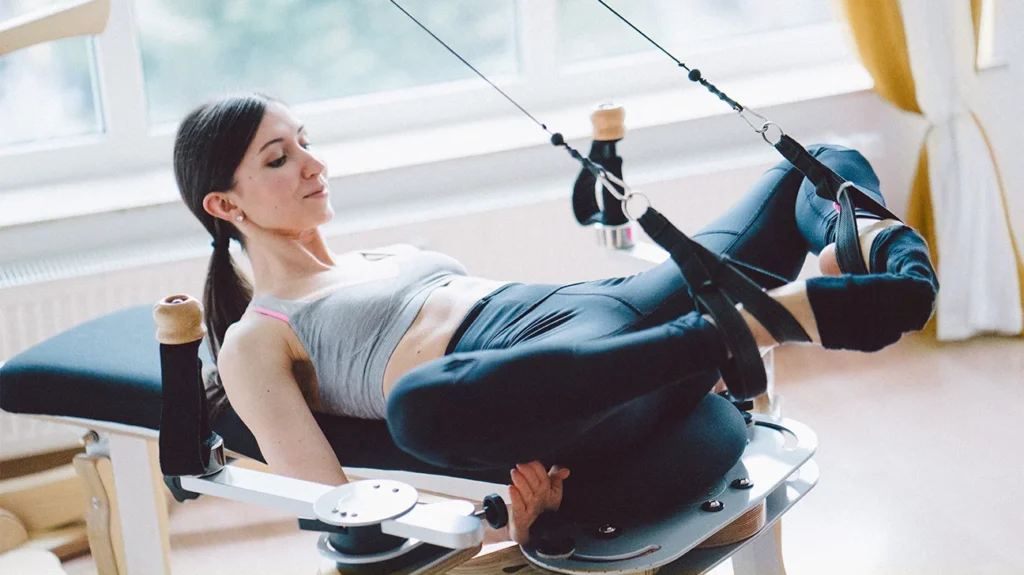
What is Gyrotonic?
Gyrotonic is a holistic exercise method that aims to improve flexibility, strength, and overall well-being. Developed in the 1980s by Juliu Horvath, a ballerina who suffered an injury, Gyrotonic combines elements of yoga, Pilates, and cardio exercises to create a unique and effective workout.
Understanding the Benefits of Gyrotonic
Gyrotonic is more than just a physical exercise; it’s a holistic approach to wellness that addresses the entire body, including the nervous system. By incorporating breathing techniques, movement patterns, and props like pulleys and jumping boards, Gyrotonic helps improve balance, flexibility, and strength.
History of Gyrotonic
Juliu Horvath, an Austrian-born ballerina, was inspired to develop Gyrotonic after suffering a career-ending injury in 1972. Horvath realized that traditional exercise methods were not addressing the underlying issues that led to her injury. She spent years researching and experimenting with different exercises and techniques, eventually creating Gyrotonic.
Key Principles of Gyrotonic
Gyrotonic is based on several key principles, including:
- Core strength: Gyrotonic emphasizes the importance of engaging the core muscles to improve stability and balance.
- Movement patterns: Gyrotonic involves specific movement patterns that target different muscle groups and promote flexibility and range of motion.
- Breathing techniques: Deep breathing is an essential part of Gyrotonic, helping to regulate the nervous system and promote relaxation.
- ** props**: Gyrotonic uses specialized equipment like pulleys and jumping boards to enhance exercises and improve effectiveness.
Benefits of Gyrotonic
Gyrotonic has numerous benefits, including:
- Improved flexibility and range of motion
- Increased strength and tone in the muscles
- Enhanced balance and coordination
- Reduced stress and improved relaxation
- Improved posture and alignment
Who Can Benefit from Gyrotonic?
Gyrotonic is suitable for individuals of all ages and fitness levels. It’s an excellent option for:
- Injury rehabilitation: Gyrotonic can be used to aid in the recovery from injuries, promoting flexibility and strength while minimizing discomfort.
- Weight loss: Gyrotonic can contribute to weight loss by improving circulation and metabolism, reducing stress, and increasing energy levels.
- General wellness: Gyrotonic is a holistic exercise method that promotes overall well-being, reducing stress and improving relaxation.
Tips for Getting Started with Gyrotonic
- Find a qualified instructor: Look for an experienced Gyrotonic instructor who can provide personalized guidance and support.
- Start slow: Begin with gentle exercises and gradually increase intensity as you become more comfortable with the movements.
- Listen to your body: Honor your body’s limitations and take regular breaks to avoid fatigue or discomfort.
Common Misconceptions about Gyrotonic
- Gyrotonic is only for flexibility: While Gyrotonic does improve flexibility, it also strengthens muscles, enhances balance, and reduces stress.
- Gyrotonic requires special equipment: While props like pulleys and jumping boards can enhance exercises, they are not essential to the practice of Gyrotonic.
- Gyrotonic is too intense: Gyrotonic can be modified to suit individual needs, making it accessible for individuals with mobility issues or other concerns.
Conclusion
Gyrotonic is a holistic exercise method that offers numerous benefits for overall health and wellness. By understanding its principles, types of exercises, and costs, individuals can harness its potential to improve flexibility, strength, and balance while reducing stress and promoting relaxation. Whether you’re looking to enhance your fitness routine or address specific health concerns, Gyrotonic is an excellent option worth exploring.
Frequently Asked Questions (FAQs)
- What are the most significant benefits of Gyrotonic?
- Improved flexibility and range of motion
- Increased strength and tone in the muscles
- Enhanced balance and coordination
- Reduced stress and improved relaxation
- Improved posture and alignment
- Is Gyrotonic suitable for everyone?
- Consult with a healthcare professional or qualified instructor before starting.
- What are the different types of Gyrotonic exercises?
- Wave: A foundational exercise that involves moving the body in a wave-like motion, engaging the core muscles and improving flexibility.
- Pulley: An exercise that uses specialized equipment to target specific muscle groups, such as the shoulders and chest.
- Jumping: A high-intensity exercise that engages the legs and glutes while improving cardiovascular fitness.
- How much does Gyrotonic cost?
- Cost can vary depending on location, instructor experience, and duration; on average, a single class may cost between €50 to €100 per hour.
- Can Gyrotonic help with weight loss?
- Yes, as it can contribute to reducing the circumference of the waistline by improving circulation and metabolism, reducing stress, and increasing energy levels.
Gyrotonic is not just a physical exercise; it’s a holistic approach to wellness that addresses the entire body, including the nervous system. By understanding its benefits, types of exercises, and costs, individuals can harness its potential to improve overall health and well-being.


