
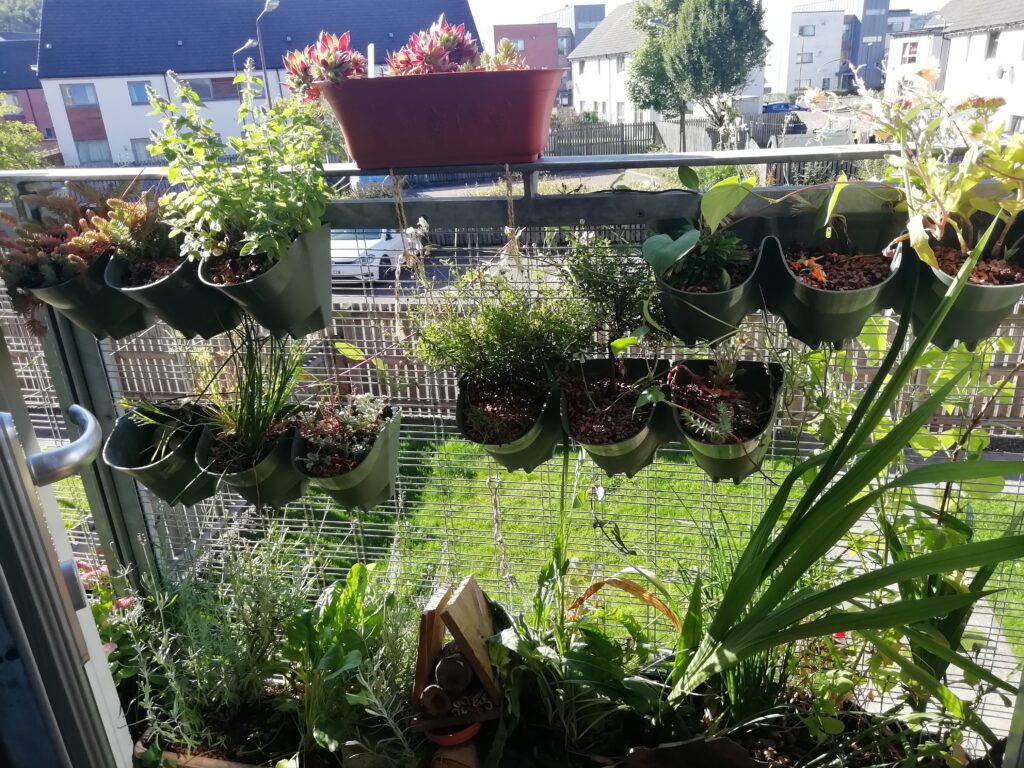
As we go about our daily lives, it’s easy to overlook the importance of having bees and butterflies in our surroundings. However, these tiny creatures play a crucial role in maintaining a healthy ecosystem and protecting our crops from harm.
In recent years, there has been an increasing concern about the decline of bee populations and the impact on global food production. Bees are responsible for pollinating many crop species, including fruits, vegetables, and nuts. Without bees, our diets would be severely limited, and our economies would suffer significantly. Butterflies, on the other hand, serve as indicators of environmental health and can provide valuable insights into the overall well-being of our ecosystems.
What do Bees and Butterflies do for Us?
Bees and butterflies can be considered “useful insects” because they help us out in various ways. For instance, bees are excellent pollinators of plants, while butterflies serve as indicators of environmental health. By having these creatures on your balcony or garden, you’re not only contributing to their well-being but also protecting your own crops.
Bees are responsible for pollinating around 1/3 of the world’s crops, including fruits, vegetables, and nuts. They visit hundreds of flowers every day, collecting nectar and pollen to feed themselves and their colonies. In return, they transfer pollen from one plant to another, allowing them to reproduce. Without bees, many of our favorite foods would disappear.
Butterflies, on the other hand, serve as indicators of environmental health. They are sensitive to changes in their ecosystem and can provide valuable insights into the overall well-being of our environment. By monitoring butterfly populations, we can gain insights into the impact of pollution, climate change, and habitat destruction.
The Natural Balance
In nature, it’s rare to see infestations or parasitic attacks by insects like bees and butterflies. This is because they live in a delicate balance with other organisms, where predators, antagonists, and parasites all play a role. By attracting these beneficial insects into our gardens, we’re creating an environment that fosters biodiversity and helps us protect our crops.
A balanced ecosystem is essential for maintaining healthy plant populations and preventing the spread of pests and diseases. Bees and butterflies play a crucial role in this process by pollinating plants, dispersing seeds, and controlling pest populations.
The Pollination Power of Bees
Bees are like tiny “service providers” when it comes to pollination. They visit hundreds of flowers every day, making them essential for maintaining healthy plant populations. A single hive can pollinate areas as large as 3,000 acres! To attract bees to your garden, you’ll want to plant a variety of flowers that provide nectar and pollen, such as lavender, sunflowers, daisies, and roses.
Some of the most effective ways to support bee health include:
- Planting bee-friendly flowers in your garden
- Avoiding the use of pesticides, which can harm or kill bees
- Providing a source of water for bees to drink from
- Creating a “bee hotel” or providing alternative nesting sites
The Beauty of Butterflies
Butterflies are just as fascinating as bees. With their iridescent wings and delicate antennae, they add a touch of elegance to our gardens. Unlike bees, butterflies don’t rely on honey production; instead, they feed on nectar from flowers. Some popular flowers that attract butterflies include cosmos, marigolds, zinnias, and hibiscus.
Butterflies are also important indicators of environmental health. They are sensitive to changes in their ecosystem and can provide valuable insights into the overall well-being of our environment. By monitoring butterfly populations, we can gain insights into the impact of pollution, climate change, and habitat destruction.
Differentiating Between Bees, Butterflies, and Moths
It’s not uncommon for people to confuse bees, butterflies, and moths. While all three belong to the insect order Lepidoptera, they have distinct characteristics. Butterflies are easily identifiable by their long antennae and closed wings in rest. Moths, on the other hand, have shorter antennae and often open their wings when at rest.
To distinguish between these insects, you can look for the following features:
- Bees: Have a round abdomen, yellow or black stripes, and collect pollen from flowers
- Butterflies: Have long antennae, closed wings in rest, and feed on nectar from flowers
- Moths: Have shorter antennae, open wings in rest, and are active at night
The Life Cycle of Bees and Butterflies
Bees and butterflies undergo a complex life cycle that involves four stages: egg, larva (or caterpillar), pupa, and adult. During this time, they rely on food sources like nectar, pollen, and host plants to survive.
Some of the most important things to know about the life cycle of bees and butterflies include:
- Bees: Female bees lay eggs in their nests, which hatch into larvae after 3-4 days. The larvae then spin a cocoon around themselves and undergo metamorphosis before emerging as adult bees
- Butterflies: Caterpillars feed on host plants and grow until they are fully formed. They then spin a chrysalis around themselves and undergo metamorphosis before emerging as adult butterflies
Creating a Butterfly-Friendly Garden
To attract butterflies into your garden, you’ll want to plant a variety of flowers that provide nectar and host plants for their caterpillars. Some popular options include milkweed, coneflowers, black-eyed Susans, and zinnias.
Additionally, consider creating a sunny spot with rocks or logs where butterflies can warm up and bask in the sun. You can also add water features like ponds or birdbaths to provide a source of drinking water for butterflies.
Tips for Creating a Bee-Friendly Garden
To attract bees into your garden, you’ll want to plant a variety of flowers that provide nectar and pollen. Some popular options include:
- Lavender
- Sunflowers
- Daisies
- Roses
You can also consider creating a “bee hotel” or providing alternative nesting sites for solitary bees.
Conclusion
Having bees and butterflies on your balcony or garden is not only beneficial for their well-being but also for our own crops and environment. By understanding their needs and creating habitats that support their growth, we can contribute to the preservation of biodiversity and maintain a healthy ecosystem.
As we continue to face environmental challenges like climate change and habitat destruction, it’s more important than ever to prioritize the health of our ecosystems. By supporting bee and butterfly populations, we’re not only protecting these beneficial insects but also ensuring the long-term sustainability of our planet.
Frequently Asked Questions (FAQs)
- How can I attract bees to my garden?
To attract bees, plant a variety of flowers that provide nectar and pollen, such as lavender, sunflowers, daisies, and roses.
- What is the difference between a butterfly and a moth?
Butterflies have long antennae and closed wings in rest, while moths have shorter antennae and often open their wings when at rest.
- How do I create a butterfly-friendly garden?
To attract butterflies, plant a variety of flowers that provide nectar and host plants for their caterpillars, such as milkweed, coneflowers, black-eyed Susans, and zinnias.
- Can I raise bees in my backyard?
Yes, you can raise bees in your backyard with proper training and equipment. However, it’s essential to follow local regulations and guidelines.
- How do butterflies contribute to environmental health?
Butterflies serve as indicators of environmental health because they are sensitive to changes in their ecosystem. By monitoring butterfly populations, we can gain insights into the overall health of our environment.
- Can I attract butterflies to my balcony or patio?
Yes, you can create a butterfly-friendly habitat on your balcony or patio by planting flowers that provide nectar and host plants for their caterpillars.
- How can I protect my garden from bee damage?
To protect your garden from bee damage, consider creating a “bee hotel” or providing alternative food sources like honey or pollen.


