
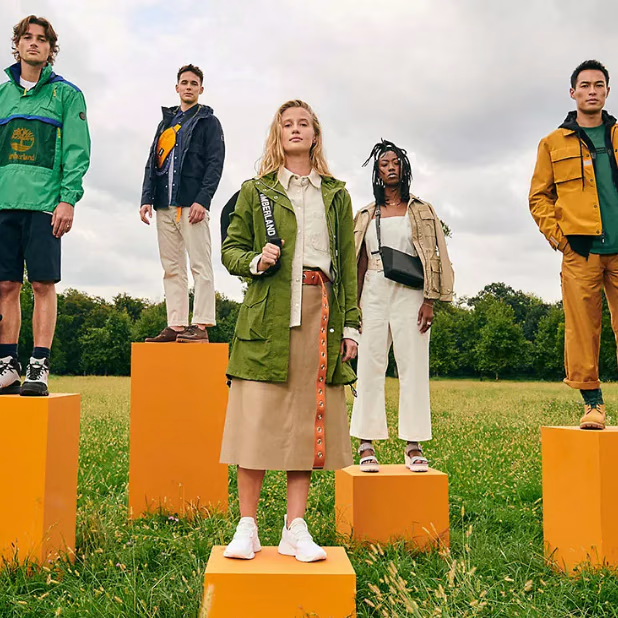
As consumers, we’re constantly bombarded with the latest fashion trends and styles. But have you ever stopped to think about the environmental impact of your clothing choices? The fashion industry is one of the largest polluters in the world, with the production and distribution of clothes contributing to greenhouse gas emissions, water pollution, and waste management issues.
This is where sustainable fashion comes in – a movement that aims to reduce the environmental footprint of the fashion industry. At Timberland, they’re taking a major step towards sustainability by launching their eco-friendly line, Earthkeepers.
What Makes Earthkeepers Sustainable?
So, what sets Earthkeepers apart from other sustainable fashion lines? Here are a few key features:
- Organic and Recycled Materials: Timberland’s Earthkeepers collection is made with organic and recycled materials, ensuring that the production process has a minimal impact on the environment.
- Carbon-Neutral Production: The company aims to achieve carbon-neutral production by 2025, reducing their greenhouse gas emissions and promoting eco-friendly practices throughout their supply chain.
- End-of-Life Solutions: Timberland is committed to providing end-of-life solutions for their products, encouraging customers to recycle or repurpose their items.
A Lineup of Sustainable Fashion Options
The Earthkeepers collection offers a wide range of sustainable fashion options, including:
- Feminine Boots: A new lineup of feminine boots made with organic and recycled materials, perfect for adding a touch of eco-friendly style to your wardrobe.
- Accessories: From scarves to hats, Timberland’s accessories are designed to be both functional and stylish, while also reducing waste and promoting sustainability.
A Commitment to Environmental Conservation
Timberland’s commitment to environmental conservation goes beyond their sustainable fashion line. The company is also dedicated to:
- Reforestation Programs: For every pair of boots sold through the Earthkeepers collection, Timberland plants an alder tree in a reforestation program.
- Supply Chain Transparency: Timberland is committed to transparency in their supply chain, ensuring that their materials and manufacturing processes are sustainable and eco-friendly.
The Benefits of Sustainable Fashion
Sustainable fashion offers numerous benefits for both the environment and consumers. Some of these benefits include:
- Reduced Greenhouse Gas Emissions: By choosing sustainable fashion options, you can reduce your carbon footprint and contribute to a more environmentally friendly future.
- Lower Waste Management Issues: Sustainable fashion encourages recycling and repurposing, reducing waste management issues and minimizing the amount of clothing that ends up in landfills.
- Improved Quality: Sustainable materials and manufacturing processes result in higher-quality products that are designed to last longer.
How You Can Make a Difference
As consumers, we have the power to drive change in the fashion industry. Here are some ways you can make a difference:
- Choose Eco-Friendly Brands: By choosing brands like Timberland, you’re supporting companies that share your values and are committed to sustainability.
- Buy Second-Hand: Buying second-hand clothing is not only eco-friendly but also budget-friendly.
- Repair and Repurpose: Repairing and repurposing your clothing items can extend their lifespan and reduce waste.
The Future of Sustainable Fashion
Sustainable fashion is a rapidly growing movement, with more brands than ever before committing to environmental sustainability. As consumers, we have the power to drive change in the fashion industry. By choosing eco-friendly brands like Timberland and making conscious purchasing decisions, we can create a more sustainable future for ourselves and our planet.
Conclusion
Sustainable fashion is not just a trend – it’s a movement that requires commitment and action. By choosing eco-friendly brands like Timberland, we can drive change in the fashion industry and create a more sustainable future for ourselves and our planet.


