
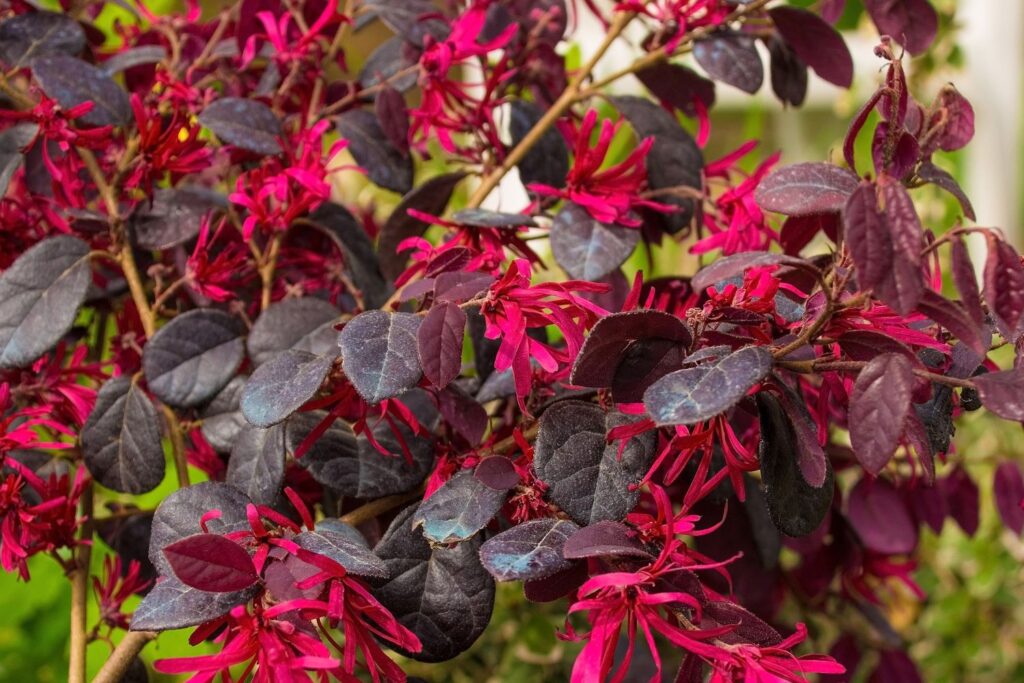
Loropetalum chinense is a popular ornamental plant that has captured the attention of gardeners and designers alike. Native to Asia, this plant belongs to the Hamameliadaceae family and is known for its unique appearance, versatility, and ability to thrive in various conditions.
Understanding the Loropetalum Chinense and Its Varieties
Loropetalum chinense is a spreading plant that grows horizontally, forming a dense canopy of branches. Its leaves are oval-shaped and have small dimensions, with shades of green ranging from light to dark green, even featuring reddish undertones. The flowers appear in spring, blooming in clusters and displaying various colors, including red, pink, white, and purple.
Characteristics of Loropetalum Chinense
Loropetalum chinense is a spreading plant that grows horizontally, forming a dense canopy of branches. Its leaves are oval-shaped and have small dimensions, with shades of green ranging from light to dark green, even featuring reddish undertones. The flowers appear in spring, blooming in clusters and displaying various colors, including red, pink, white, and purple.
The Loropetalum Rubrum Variety
Loropetalum rubrum is a popular variety of Loropetalum chinense, known for its striking red-brown foliage and vibrant blooms. This plant can reach heights of up to 5 meters, making it a popular choice for hedges and topiaries. It tolerates cold temperatures but requires partial shade and well-draining soil.
Other Varieties of Loropetalum
Some other notable varieties of Loropetalum include:
- Loropetalum Fire Dance: A compact plant with red, pink, or purple flowers and striking foliage.
- Loropetalum Black Pearl: The smallest variety of Loropetalum, featuring dark-red foliage and fuchsia-colored flowers.
Creating a Bonsai from Loropetalum
For those interested in creating a bonsai, Loropetalum can be an excellent choice. By pruning and training the plant, you can achieve a unique, miniature shape that adds character to any space. To encourage blooming, position the bonsai in direct sunlight during the summer months.
Caring for Your Loropetalum Plant
To keep your Loropetalum healthy and thriving:
- Provide acidic soil and avoid over-fertilizing.
- Plant at the right time of year (spring or fall) to minimize shock.
- Place in a shaded area with partial sunlight.
- Water regularly, but avoid waterlogging.
Common Pests and Diseases
While Loropetalum is relatively resistant to pests and diseases, there are some potential issues to watch out for:
- Overwatering can lead to root rot.
- Pests like aphids, whiteflies, and spider mites may be attracted to the plant’s foliage.
Conclusion
Loropetalum chinense is a versatile, attractive ornamental plant that can add beauty and character to any garden or design. By understanding its characteristics, caring for it properly, and being mindful of potential pests and diseases, you can enjoy the many benefits of having this lovely plant in your life.
Frequently Asked Questions
- What is the best time to plant a Loropetalum?
- How often should I water my Loropetalum?
- Can Loropetalum be grown indoors?
- How do I prune and train my Loropetalum bonsai?
- Are Loropetalum plants toxic to pets or humans?
- Can Loropetalum be used as a hedge or topiary?
-
How often should I fertilize my Loropetalum plant?
-
The best time to plant a Loropetalum is in spring or fall, when the weather is cooler and there is ample moisture.
- Water your Loropetalum regularly, but avoid overwatering, which can lead to root rot.
- Yes, Loropetalum can be grown indoors, provided it receives sufficient light and is kept at a comfortable temperature.
- To prune and train your Loropetalum bonsai, use pruning shears or clippers to shape the branches and encourage new growth.
- Loropetalum plants are non-toxic to pets and humans, but can cause gastrointestinal upset if ingested in large quantities.
- Yes, Loropetalum can be used as a hedge or topiary, providing a beautiful, fragrant, and low-maintenance option for gardeners.
- Fertilize your Loropetalum plant regularly, using an acidic fertilizer during the growing season and a balanced fertilizer during the dormant season.
These FAQs provide additional information and guidance on caring for your Loropetalum plant, as well as answering common questions about this beautiful ornamental plant.
Advanced Care Techniques
For experienced gardeners looking to take their Loropetalum care to the next level, consider trying these advanced techniques:
- Prune your Loropetalum regularly to maintain its shape and encourage new growth.
- Use a trellis or stake to support tall varieties of Loropetalum.
- Mulch around the base of your Loropetalum plant to retain moisture and suppress weeds.
Using Loropetalum in Different Landscapes
Loropetalum can be used in a variety of different landscapes, including:
- Formal gardens: Loropetalum’s formal shape and striking flowers make it an excellent choice for formal gardens.
- Informal gardens: Loropetalum’s ability to thrive in partial shade makes it well-suited for informal gardens.
- Japanese gardens: Loropetalum’s delicate foliage and vibrant blooms make it a popular choice for Japanese-style gardens.
Designing with Loropetalum
When designing with Loropetalum, consider using the plant in combination with other ornamental plants to create a unique and beautiful landscape. Some ideas for combining Loropetalum with other plants include:
- Pairing Loropetalum with hydrangeas for a lush, flowering hedge.
- Using Loropetalum as a backdrop for other plants, such as hostas or ferns.
- Incorporating Loropetalum into topiaries or hedges to create a striking, formal look.
By understanding the characteristics of Loropetalum and using advanced care techniques, you can enjoy this beautiful ornamental plant in your landscape for years to come.


