
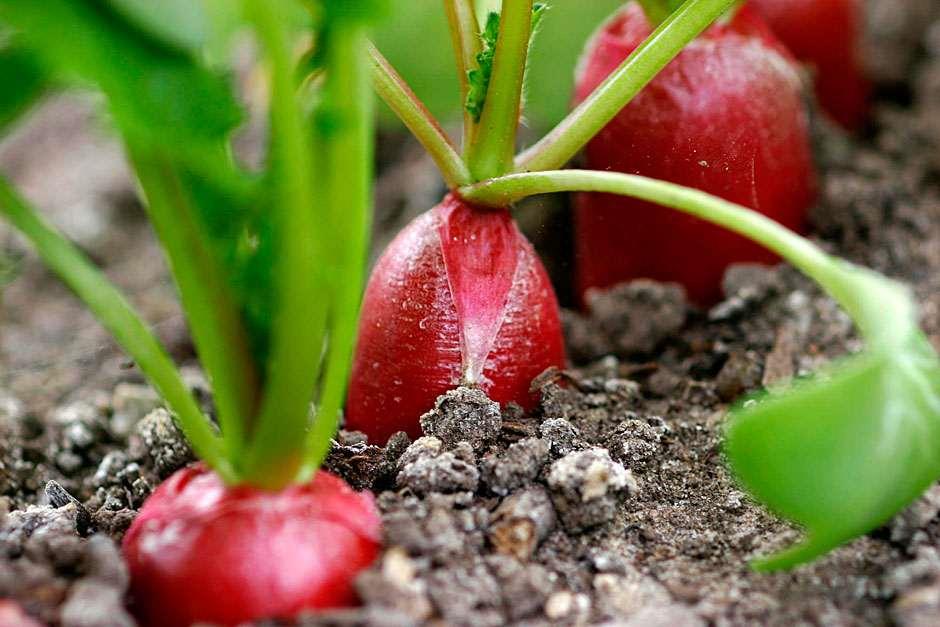
As a beginner gardener, it can be daunting to choose the right vegetables to grow. But if you’re looking for a low-calorie, nutrient-rich option that’s easy to cultivate, look no further than the ravanelli (also known as daikon or Japanese radish). In this article, we’ll explore the benefits of growing ravanelli, discuss their nutritional value, and provide step-by-step instructions on how to cultivate them in a container or directly in the ground.
Ravanelli: Nutritional Properties
Before we dive into the nitty-gritty of growing ravanelli, let’s take a look at their impressive nutritional profile. One 100g serving of ravanelli contains:
- Calories: 16 kcal
- Carbohydrates: 3.4 g
- Fat: 0.1 g
- Protein: 0.68 g
- Vitamin B1: 0.012 mg
- Riboflavin (B2): 0.039 mg
- Niacin or Vitamin PP: 0.254 mg
- Pantothenic acid (B5): 0.165 mg
- Vitamin B6: 0.071 mg
- Vitamin B9: 25 μg
- Vitamin C: 14.8 mg
- Calcium: 25 mg
- Iron: 0.34 mg
- Magnesium: 10 mg
- Manganese: 0.069 mg
- Phosphorus: 20 mg
- Potassium: 233 mg
- Zinc: 0.28 mg
- Water content: 95.3 g
As you can see, ravanelli are an excellent source of essential vitamins and minerals, making them a great addition to your diet.
Choosing the Right Variety
When it comes to growing ravanelli, there are several varieties to choose from, each with its unique characteristics. Some popular types include:
- Ravanelli viola (purple)
- Ravanelli giallo (yellow)
- Classico ravanello rosso tondo or allungato (red)
- Ravanelli bianco (white) – also known as daikon
- Ravanelli nero (black)
- Ravanelli “Watermelon” (a type of ravanelli with a watermelon-like flesh)
For beginners, we recommend starting with the classic red variety or the white daikon.
Sowing Ravanelli Seeds
To get started, you’ll need to sow your ravanelli seeds in well-draining soil. Here’s a step-by-step guide:
- Prepare the soil: Choose a container or spot in your garden with good drainage. If your soil is heavy clay or sandy, mix in some organic matter like compost or manure.
- Sow the seeds: Plant the seeds about 1-2 cm deep and 2-3 cm apart. Cover the seeds with a thin layer of soil.
- Water gently: Water the soil gently but thoroughly. Make sure the soil is moist but not waterlogged.
Tips for Growing Ravanelli
Here are some additional tips to keep in mind when growing ravanelli:
- Lighting: Ravanelli prefer partial shade, especially in warmer climates.
- Temperature: Ravanelli thrive in temperatures between 15°C and 25°C (59°F-77°F).
- Watering: Keep the soil consistently moist but not waterlogged. Aim for about 1-2 inches of rainfall per week.
- Fertilization: Feed your ravanelli with a balanced fertilizer once a month.
Common Problems
While growing ravanelli is relatively easy, there are a few common problems to watch out for:
- Over-saturation: Ravanelli can become waterlogged, leading to root rot. Make sure the soil drains well and avoid overwatering.
- Under-saturation: On the other hand, ravanelli need consistent moisture to grow well. Avoid under-watering, as this can lead to weak growth.
Growing Ravanelli in a Container
If you don’t have enough space for a traditional garden bed, growing ravanelli in a container is a great alternative. Here’s what you need to know:
- Container size: Choose a container that’s at least 20 cm deep and has good drainage holes.
- Soil mix: Use a well-draining potting mix specifically designed for containers.
- Watering: Water your ravanelli more frequently, as the soil can dry out quickly in a container.
Pest and Disease Control
To keep your ravanelli healthy and pest-free, here are some additional tips:
- Regular inspection: Regularly inspect your plants for signs of pests or diseases.
- Use organic methods: Use organic or integrated pest management (IPM) methods to control infestations.
- Crop rotation: Rotate your crops regularly to avoid depleting the soil of nutrients and to reduce the risk of disease.
Harvesting Ravanelli
When it comes to harvesting ravanelli, here are some additional tips:
- Check for readiness: Check for signs of readiness, such as the skin turning white or becoming papery.
- Gently dig around the plant: Gently dig around the plant to loosen the soil and lift out the roots.
- Harvest in the morning: Harvest your ravanelli in the morning, when the dew is still present on the plants.
Using Ravanelli in Cooking
Ravanelli are a versatile vegetable that can be used in a variety of dishes. Here are some ideas for using ravanelli in cooking:
- Raw ravanelli salad: Slice or chop raw ravanelli and combine with your favorite greens, nuts, and dressing.
- Steamed ravanelli: Steam fresh ravanelli until tender, then serve as a side dish or add to soups and stews.
- Pickled ravanelli: Slice thin rounds of ravanelli and soak in vinegar-based brine for a tangy snack.
Conclusion
Growing ravanelli is a great way to add some nutrition and flavor to your diet. With its low calorie count and impressive nutritional profile, it’s no wonder this root vegetable has gained popularity worldwide. By following these simple steps and tips, you’ll be enjoying fresh ravanelli in no time!
Frequently Asked Questions
- Q: What is the best way to store ravanelli?
A: Ravanelli can be stored in a cool, dry place for up to 2 weeks. You can also refrigerate them for up to 5 days. - Q: How do I prepare ravanelli for cooking?
A: Rinse the ravanelli under cold water, then peel and chop or slice according to your recipe. - Q: Can I grow ravanelli in a greenhouse?
A: Yes! Ravanelli can thrive in a greenhouse environment with proper temperature control and humidity. - Q: Are there any specific pest control measures for growing ravanelli?
A: Regularly inspect your plants for pests like aphids, whiteflies, and spider mites. Use organic or integrated pest management methods to control infestations. -
Q: Can I grow ravanelli in a hydroponic system?
A: Yes! Ravanelli can be grown in a hydroponic system with proper nutrient management and pH control. -
Q: How do I know when my ravanelli is ready to harvest?
A: Check for signs of readiness, such as the skin turning white or becoming papery. - Q: Can I grow ravanelli in containers?
A: Yes! Ravanelli can be grown in containers with proper care and attention.
By following these simple steps and tips, you’ll be able to grow delicious and nutritious ravanelli at home. Happy growing!


