
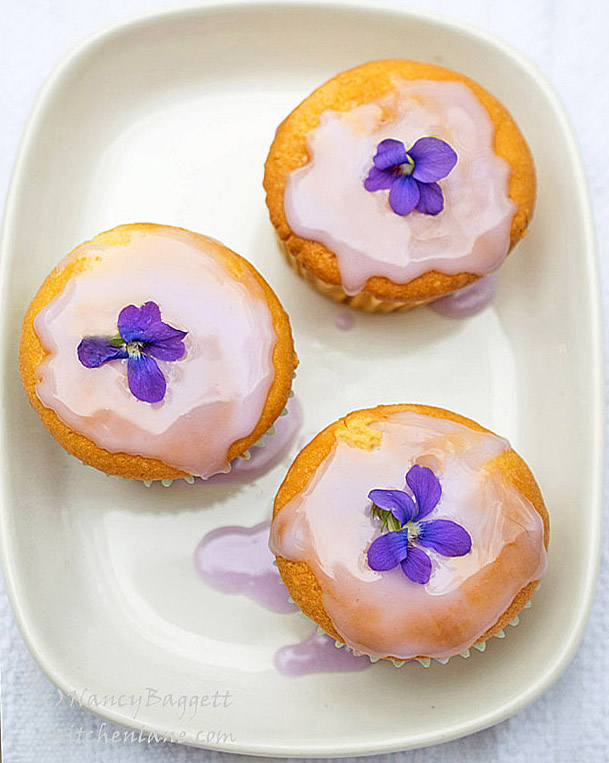
Wild violet, also known as violetta spontanea or wild violet, is a popular edible plant species that has been used for centuries in cooking and herbal medicine. This small, perennial herb is prized for its beautiful flowers, fragrant leaves, and sweet-tasting foliage.
What is Viola Mammola?
Viola mammola is a member of the violaceae family, which includes other edible plants like pansies and violas. It is native to Europe, Asia, and North Africa, but has been naturalized in many parts of the world. The plant grows up to 10-15 cm tall, with heart-shaped or oval leaves and fragrant purple flowers that bloom in late winter.
Why Choose Wild Violet over Cultivated Varieties?
When it comes to using wild violet in cooking, it’s essential to choose varieties that have not been grown specifically for their ornamental value. These plants may have been treated with chemicals to enhance their beauty, which can make them unsafe for consumption. By selecting wild violets from untamed environments, such as meadows, forests, or by the side of streams, you can ensure that your food is safe and free of additives.
How to Identify Wild Violet
Wild violet can be identified by its distinctive flowers, leaves, and stems. The plant grows up to 10-15 cm tall, with heart-shaped or oval leaves and fragrant purple flowers that bloom in late winter. The leaves and flowers are edible and can be used in a variety of dishes.
Precautions for Using Wild Violet
Before using wild violet in cooking, make sure to follow these guidelines:
- Only use violets from untamed environments, such as meadows, forests, or by the side of streams.
- Avoid using violets that have been grown specifically for their ornamental value, as they may have been treated with chemicals.
- Always identify the plant correctly before consumption to ensure its safety.
Using Wild Violet in Cooking
Wild violet can be used in a variety of dishes, including salads, soups, stews, and baked goods. The leaves and flowers can be eaten raw or cooked to bring out their unique flavors.
Some popular ways to use wild violet include:
- Adding fresh leaves to salads for a burst of flavor and color.
- Using dried flowers to make teas, infusions, and potpourri.
- Cooking with wild violet to create delicious soups, stews, and braises.
- Making jams, preserves, and chutneys using the plant’s sweet-tasting leaves.
Benefits of Wild Violet
Wild violet has been used for centuries in herbal medicine due to its numerous health benefits. Some of the most significant advantages of consuming wild violet include:
- Anti-inflammatory properties: Wild violet contains compounds that have anti-inflammatory effects, making it a great natural remedy for soothing sore throats and calming digestive issues.
- Antiseptic properties: The plant’s antiseptic properties make it an effective natural remedy for wounds, cuts, and scrapes.
- Immune system support: Wild violet is rich in antioxidants and other nutrients that can help boost the immune system and protect against infections.
Culinary Uses of Wild Violet
Wild violet can be used in a variety of dishes, including:
- Salads: Add fresh leaves to salads for a burst of flavor and color.
- Soups and stews: Use wild violet to add depth and complexity to soups and stews.
- Braises and roasts: Cooking with wild violet can create delicious braises and roasts.
- Jams and preserves: Make jams, preserves, and chutneys using the plant’s sweet-tasting leaves.
Medicinal Uses of Wild Violet
Wild violet has been used for centuries in herbal medicine due to its numerous health benefits. Some of the most significant advantages of consuming wild violet include:
- Anti-inflammatory properties: Wild violet contains compounds that have anti-inflammatory effects, making it a great natural remedy for soothing sore throats and calming digestive issues.
- Antiseptic properties: The plant’s antiseptic properties make it an effective natural remedy for wounds, cuts, and scrapes.
- Immune system support: Wild violet is rich in antioxidants and other nutrients that can help boost the immune system and protect against infections.
Conclusion
Wild violet is a versatile and delicious ingredient that can add flavor and nutrition to a variety of dishes. By following the guidelines outlined above and selecting wild violets from untamed environments, you can enjoy the many benefits of this amazing plant while cooking with wild violet.
Frequently Asked Questions
Q: How do I identify wild violet?
A: Wild violet can be identified by its distinctive flowers, leaves, and stems. Look for plants that grow up to 10-15 cm tall with heart-shaped or oval leaves and fragrant purple flowers that bloom in late winter.
Q: Can I use cultivated varieties of violet instead of wild violets?
A: No, it’s not recommended to use cultivated varieties of violet in cooking. These plants may have been treated with chemicals to enhance their beauty, which can make them unsafe for consumption.
Q: How do I prepare wild violet for cooking?
A: Wild violet leaves and flowers can be eaten raw or cooked to bring out their unique flavors. You can add fresh leaves to salads, use dried flowers to make teas and infusions, cook with the plant to create delicious soups and stews, or make jams and preserves using its sweet-tasting leaves.
Q: What are the health benefits of wild violet?
A: Wild violet contains compounds that have anti-inflammatory effects, making it a great natural remedy for soothing sore throats and calming digestive issues. The plant also has antiseptic properties, which can help soothe wounds and cuts. Additionally, wild violet is rich in antioxidants and other nutrients that can help boost the immune system.
Q: Can I grow my own wild violet?
A: Yes, you can grow your own wild violet by purchasing seeds or seedlings from a reputable supplier. Simply plant the seeds in well-draining soil and provide them with full sun to partial shade and regular watering.
Q: How do I dry wild violet for later use?
A: You can dry wild violet flowers and leaves using air-drying methods, such as spreading them out on paper towels or wire racks, or by using a food dehydrator. Once the plant material is completely dry, you can store it in airtight containers to preserve its flavor and nutritional properties.
Q: Can I use wild violet in baked goods?
A: Yes, you can use dried wild violet flowers and leaves in baked goods like cakes, cookies, and muffins. Simply substitute them for other spices or herbs to add a unique flavor and aroma to your baked goods.


