
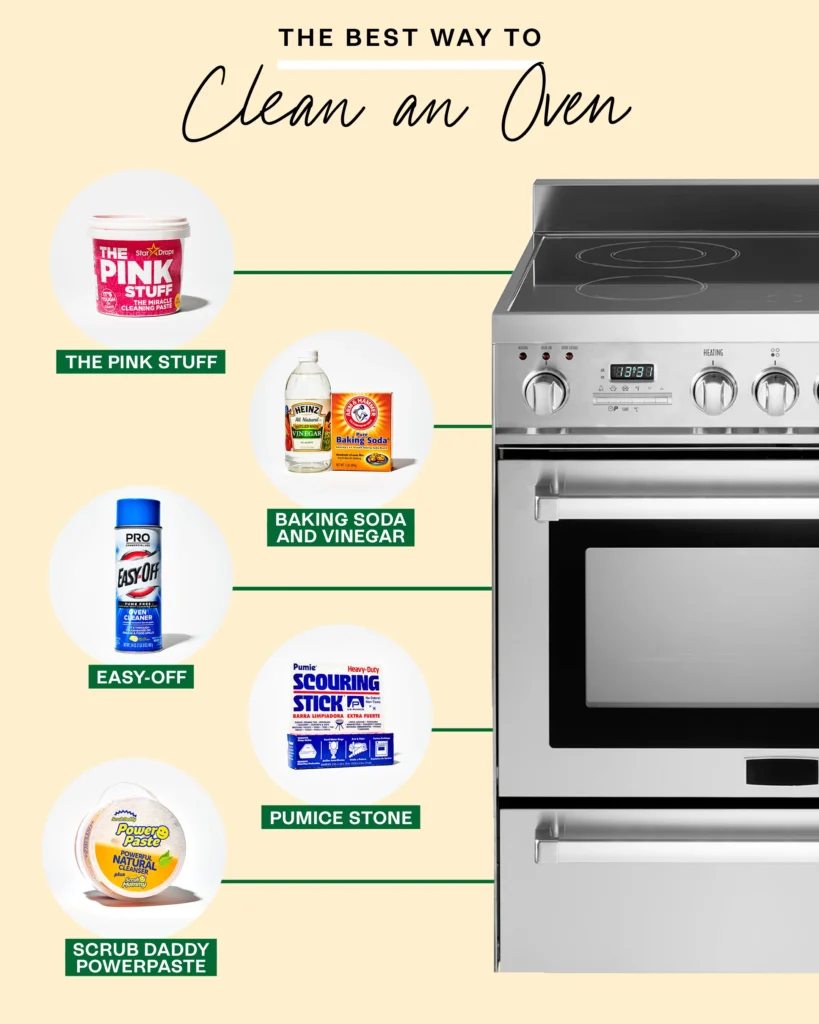
Have you ever found yourself standing in front of a greasy, caked-on oven, feeling overwhelmed and unsure of how to clean it? You’re not alone. Many of us have been there, especially after cooking hearty meals or baking delicious treats. But before reaching for those harsh chemicals and abrasive cleaners, let’s explore some eco-friendly alternatives that can help you tackle the task with ease.
Why Clean Your Oven Naturally?
Cleaning your oven naturally is not only good for the environment, but it’s also a healthier option for your family. Harsh chemicals in conventional cleaning products can release toxic fumes and harm your health. By using natural ingredients, you can create a safe and effective cleaning solution that’s gentle on your oven and the planet.
What Natural Ingredients Can You Use?
While many of us are familiar with baking soda and vinegar as natural cleaning agents, there are other ingredients that can help you clean your oven effectively. Let’s explore some of these eco-friendly options:
- Acetone: A natural degreaser, acetone is a great alternative to harsh chemicals.
- Bicarbonate: Also known as baking soda, bicarbonate is a gentle abrasive that helps break down tough grime and stains.
- Salt: Believe it or not, salt can be used to absorb moisture and help loosen grime.
- Lemon juice: The acidity in lemon juice makes it an effective cleaner for grease and grime.
- Castile soap: A natural soap made from olive oil, castile soap is a gentle yet effective cleaning agent.
Method 1: The Acetone Method
This method involves using acetone to degrease your oven surfaces. Here’s how:
- Mix equal parts water and acetone in a spray bottle.
- Spray the solution onto the greasy surfaces of your oven.
- Let it sit for about 30 minutes, allowing the acetone to break down the grime.
- Use a soft cloth or sponge to wipe away the grime.
Method 2: The Bicarbonate and Salt Method
This method involves using bicarbonate and salt to create a natural cleaning paste. Here’s how:
- Mix 1 cup of baking soda with 1/4 cup of salt.
- Add a splash of water to form a thick paste.
- Apply the paste to the greasy surfaces of your oven, making sure to cover all areas evenly.
- Let it sit for about an hour or until the grime starts to loosen.
- Use a soft cloth or sponge to wipe away the grime.
Method 3: The Limoncello Method
This method involves using lemon juice to degrease your oven surfaces. Here’s how:
- Mix equal parts water and lemon juice in a spray bottle.
- Spray the solution onto the greasy surfaces of your oven.
- Let it sit for about 30 minutes, allowing the acid in the lemon juice to break down the grime.
- Use a soft cloth or sponge to wipe away the grime.
Method 4: The Castile Soap Method
This method involves using castile soap to clean your oven surfaces. Here’s how:
- Mix equal parts water and castile soap in a spray bottle.
- Spray the solution onto the greasy surfaces of your oven.
- Let it sit for about 30 minutes, allowing the soap to break down the grime.
- Use a soft cloth or sponge to wipe away the grime.
Method 5: The Enzyme-Based Method
This method involves using enzyme-based cleaners to break down protein-based stains. Here’s how:
- Mix equal parts water and enzyme-based cleaner in a spray bottle.
- Spray the solution onto the greasy surfaces of your oven, focusing on areas with tough stains.
- Let it sit for about an hour or until the stains start to loosen.
- Use a soft cloth or sponge to wipe away the grime.
Tips and Tricks
Here are some additional tips and tricks to help you clean your oven effectively:
- Always wear rubber gloves when cleaning your oven to protect yourself from harsh chemicals.
- Make sure to leave the cleaning solution on for at least 30 minutes before wiping it away with a soft cloth or sponge.
- Avoid using abrasive scrubbers, as they can scratch your oven surfaces.
- Use a microfiber cloth to wipe away grime and prevent scratches.
Precautions
Before starting any cleaning method, make sure to:
- Wear protective gloves and eyewear to avoid exposure to harsh chemicals.
- Ventilate the area well to avoid inhaling fumes from acetone or other strong cleaners.
- Avoid using natural cleaning agents on oven surfaces that have been damaged by previous cleaning methods.
Conclusion
Cleaning your oven naturally is not only good for the environment, but it’s also a healthier option for your family. By using natural ingredients like acetone, bicarbonate, and salt, you can create a safe and effective cleaning solution that’s gentle on your oven and the planet. Try out these eco-friendly methods today and see the difference for yourself!
FAQs
Here are some frequently asked questions about cleaning your oven naturally:
- Q: Are natural cleaning agents effective?
A: Yes, natural cleaning agents like acetone, bicarbonate, and salt can be just as effective as harsh chemicals. - Q: What are the benefits of using natural cleaning agents?
A: Natural cleaning agents are eco-friendly, non-toxic, and gentle on surfaces. - Q: Can I use natural cleaning agents on all types of oven surfaces?
A: Some natural cleaning agents may not be suitable for certain types of oven surfaces. Always test a small area first to ensure the agent won’t damage your surface.
Don’t let grime and food residue build up in your oven any longer! Try out these eco-friendly methods today and enjoy a cleaner, healthier kitchen.


