
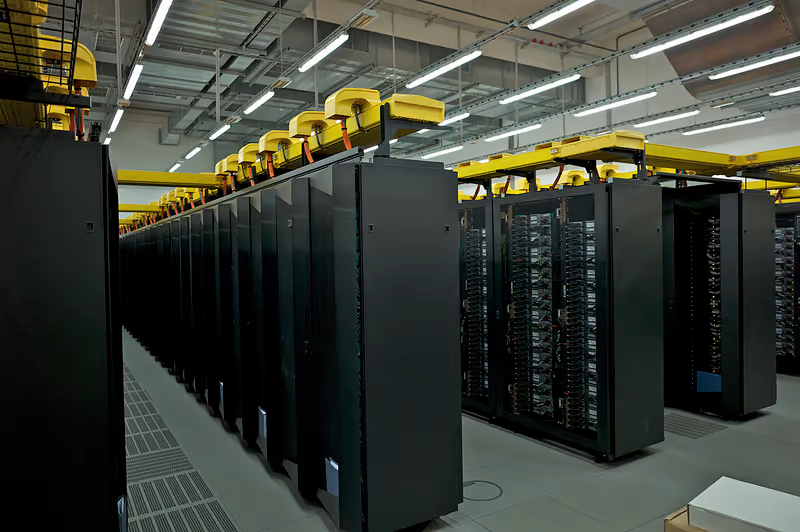
Introduction to SuperMUC and the Future of High-Performance Computing
As we continue to push the boundaries of high-performance computing, it’s essential to explore innovative solutions that enable faster processing speeds and lower energy consumption. One such innovation is the new supercomputer, SuperMUC, developed by the Leibniz Supercomputing Center (LRZ) in collaboration with IBM. This cutting-edge system boasts unprecedented performance capabilities and a revolutionary cooling technology that’s set to transform the field of high-performance computing.
What is SuperMUC?
SuperMUC is a powerful supercomputer designed to support research activities and industrial projects across Europe. The system consists of 150,000+ cores from IBM System x iDataPlex Direct Water Cooled dx360 M4 servers, capable of delivering peak performance of up to three petaflops. To put that into perspective, you’d need over 110,000 personal computers working in tandem to match SuperMUC’s processing power.
The Power of Cooling: A Game-Changer for High-Performance Computing
SuperMUC’s innovative cooling system is a major factor contributing to its exceptional performance. By leveraging IBM’s breakthrough technology, the system can be cooled using warm water, reducing energy consumption by an impressive 40%. This revolutionary approach eliminates the need for traditional air-cooled systems, which account for up to 50% of a data center’s energy expenditure and greenhouse gas emissions.
How Does the Cooling System Work?
The Direct Water Cooled (DWC) technology employed in SuperMUC uses warm water as the coolant. This allows for more efficient heat dissipation, resulting in improved performance and reduced energy consumption. In contrast to traditional air-cooled systems, DWC eliminates the need for large ventilation systems, reducing noise levels and increasing overall system reliability.
The Benefits of Water-Cooled Systems
So why are water-cooled systems becoming increasingly popular? The advantages are numerous:
- Improved Performance: Water-cooled systems can achieve peak performance levels not possible with air-cooled systems.
- Reduced Energy Consumption: Water-cooled systems consume up to 40% less energy than traditional air-cooled systems.
- Increased Reliability: DWC systems reduce the risk of overheating, which can lead to system failure.
The Science Behind Water-Cooled Systems
Water-cooled systems operate on the principle of heat transfer through a coolant. In this case, warm water is used as the coolant to absorb and dissipate heat from the system’s components. This process involves several key steps:
- Heat Generation: The system’s components generate heat due to electrical resistance or other processes.
- Coolant Flow: Warm water flows through a network of tubes and channels, absorbing heat from the components.
- Heat Transfer: The warm water carries the absorbed heat away from the components, allowing for efficient cooling.
- Coolant Return: The cooled water is returned to its source, where it can be reused or replenished.
The Future of Water-Cooled Systems
As technology continues to advance, we can expect to see further improvements in water-cooled systems. Some potential developments on the horizon include:
- More Efficient Coolants: Researchers are exploring new coolant materials and designs that could improve performance and reduce energy consumption.
- Advanced Heat Exchangers: Next-generation heat exchangers may allow for even more efficient heat transfer, leading to improved system performance.
- Integration with Other Technologies: Water-cooled systems may be combined with other technologies, such as liquid cooling or phase-change materials, to create even more efficient and effective cooling solutions.
Conclusion
In conclusion, SuperMUC represents a significant milestone in the development of high-performance computing. The integration of revolutionary cooling technology has enabled this supercomputer to achieve unprecedented levels of performance and efficiency. As we continue to push the boundaries of what’s possible with high-performance computing, it’s essential to stay at the forefront of innovation.
Frequently Asked Questions (FAQs)
Q: What is SuperMUC?
A: SuperMUC is a supercomputer developed by the Leibniz Supercomputing Center (LRZ) in collaboration with IBM.
Q: How many cores does SuperMUC have?
A: SuperMUC boasts over 150,000+ cores from IBM System x iDataPlex Direct Water Cooled dx360 M4 servers.
Q: What is the peak performance capability of SuperMUC?
A: SuperMUC’s peak performance capability is up to three petaflops.
Q: How does the cooling system in SuperMUC work?
A: The Direct Water Cooled (DWC) technology used in SuperMUC uses warm water as the coolant, eliminating the need for traditional air-cooled systems.
Q: What are the benefits of using a water-cooled system like DWC?
A: Water-cooled systems offer improved performance, reduced energy consumption, and increased reliability compared to traditional air-cooled systems.


