
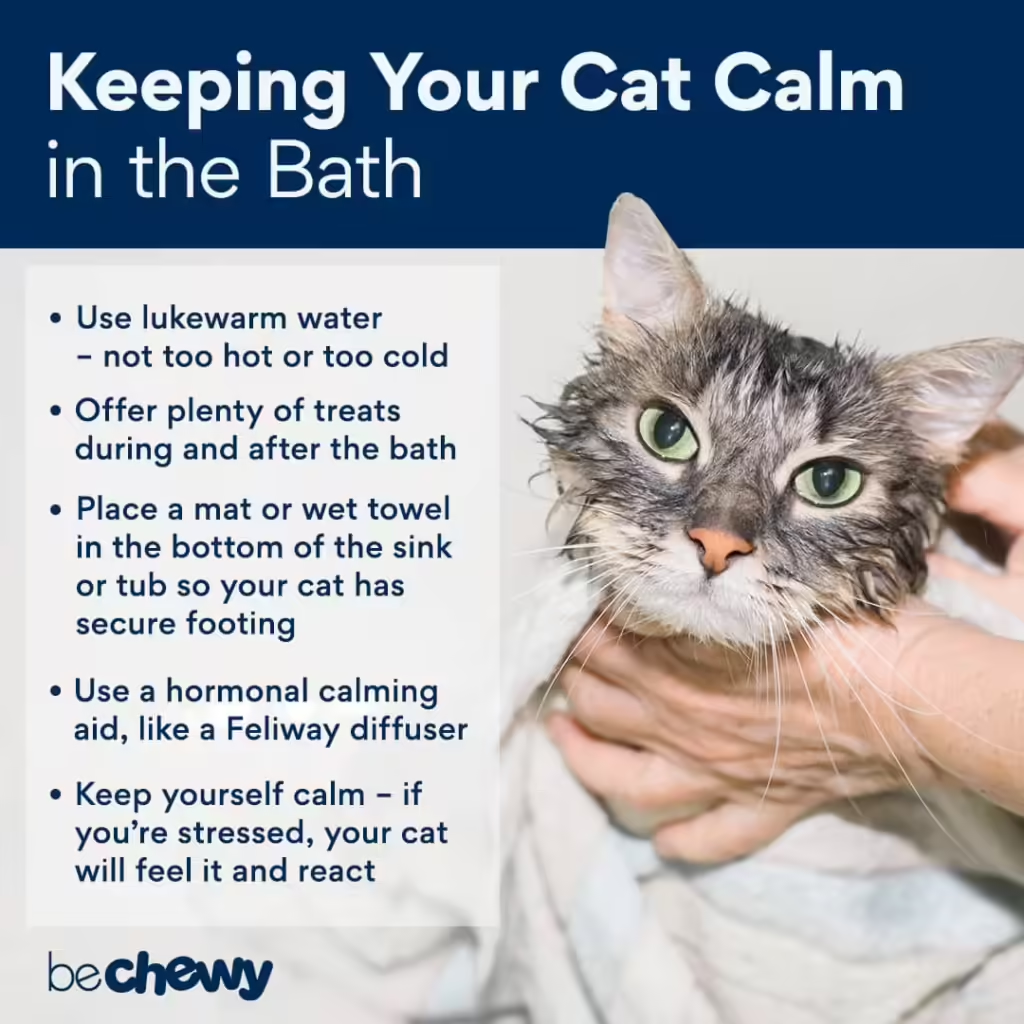
As any cat owner knows, bathing their feline friend can be a daunting task. However, it’s not as intimidating as it seems. With patience and the right approach, you can make the experience less stressful for both you and your cat.
Before we dive into the nitty-gritty of how to bathe a cat, let’s cover some essential preparations.
Preparing Your Cat for a Bath
It’s crucial to acclimate your cat to the bathing process before actually taking them in the water. Here are a few tips to get you started:
- Trim those nails: About two days prior to the bath, trim your cat’s nails to prevent any discomfort or irritation during the process.
- Brush, brush, brush: Brush your cat thoroughly to remove tangles and mats, making it easier for them to relax in the tub.
- Get familiar with the shampoo: Choose a cat-specific shampoo that is gentle and effective. Consult with your veterinarian if you’re unsure about which one to use.
Additionally, consider the following tips when preparing your cat:
- Gradual exposure: Introduce your cat to the bathing process gradually, starting with small steps such as simply sitting next to them while they get wet.
- Positive reinforcement: Reward your cat with treats and praise for their good behavior during the bathing process.
Now that we’ve covered some essential preparations, let’s move on to the actual bathing process.
The Bathing Process
Bathing a cat requires patience, care, and attention to detail. Here are the steps involved in the bathing process:
- Fill ‘er up: Gradually increase the water level in the tub until it reaches about 2-3 inches deep.
- Temperature check: Ensure the water is at a comfortable temperature for your cat (around 25-30°C). The ideal temperature for cats is between 22-26°C.
- Shampoo time: Apply the shampoo, but not too much – you don’t want to overwhelm your cat!
- Massage it in: Gently massage the shampoo into your cat’s fur, working from head to tail. This will help distribute the shampoo evenly and prevent any skin irritation.
- Rinse and repeat: Rinse your cat thoroughly, then repeat the process if necessary.
Some additional tips for the bathing process:
- Use lukewarm water: Avoid using hot or cold water, as this can cause stress and discomfort for your cat.
- Avoid getting water in their ears or eyes: Be gentle when washing your cat’s face, ears, and paws to avoid any potential irritation.
- Keep the bathing process short: Aim for a bath time of around 10-15 minutes to avoid overwhelming your cat.
Post-Bath Care
After the bath, make sure your cat is comfortable and secure before moving them around. You can use a towel to dry them off and prevent slipping.
- Drying: Gently pat your cat down with a towel, making sure they’re completely dry.
- Reward good behavior: Praise and reward your cat for their excellent behavior during the bath process!
Some additional post-bath care tips:
- Provide a warm environment: After the bath, provide your cat with a warm and comfortable place to rest and relax.
- Monitor their temperature: Keep an eye on your cat’s body temperature after the bath to ensure it’s not too high or low.
By following these steps and tips, you can help make bathing your cat a less stressful experience for both of you. Happy bathing!
Common Mistakes to Avoid
Some common mistakes that cat owners make when bathing their cats include:
- Using human shampoo: Human shampoo is not suitable for cats, as it can cause skin irritation and other adverse reactions.
- Over-bathing: Over-bathing can strip your cat’s coat of its natural oils, leading to dryness and discomfort.
- Not preparing the environment: Failing to prepare the bathing area properly can lead to stress and anxiety for both you and your cat.
By avoiding these common mistakes, you can help ensure a safe and successful bathing experience for your feline friend.


