
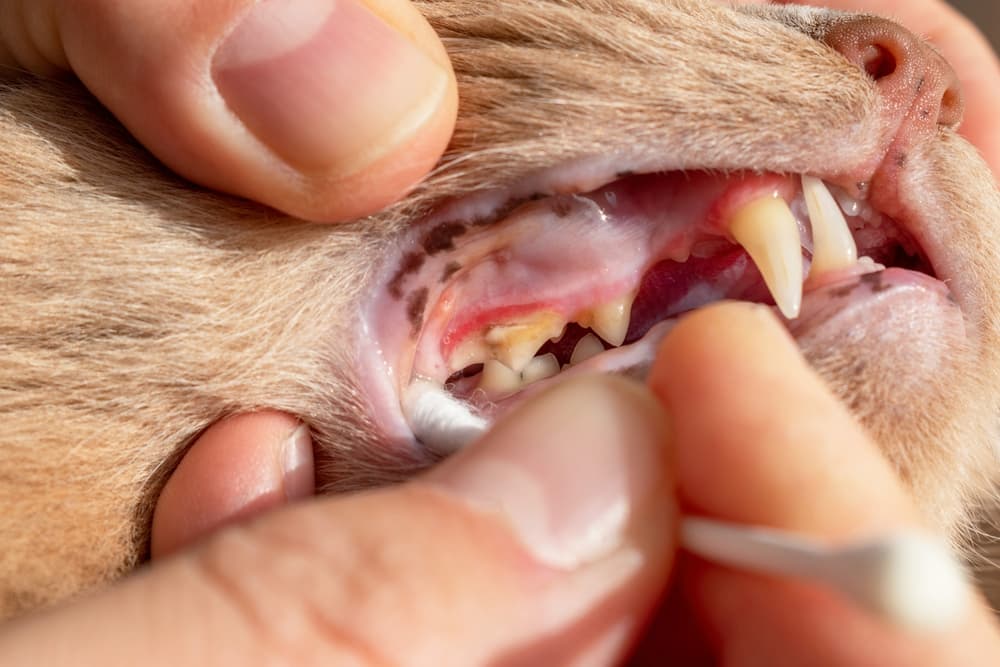
The Importance of Dental Care in Cats: A Comprehensive Guide
As a responsible cat owner, you want to ensure your feline friend leads a healthy and happy life. One crucial aspect of their overall well-being is maintaining good dental health. Just like humans, cats are susceptible to various oral health issues, such as tartar buildup, gum disease, and bad breath.
Understanding Feline Dentition
Before diving into the importance of dental care in cats, it’s essential to understand their unique dental anatomy. A cat’s mouth is small but has a wide opening, containing 30 teeth (24 deciduous teeth and 6 permanent teeth) that are crucial for hunting and eating. These include premolars, molars, canines, and incisors.
- Tooth structure: Cats have broad, flat teeth with sharp edges, perfect for tearing flesh and crushing bones.
- Gingiva: The gums (gingiva) in cats are thinner and more sensitive than those of humans. They contain a high concentration of blood vessels, making them prone to inflammation and bleeding.
Why Dental Care Matters
Regular dental care in cats is vital to prevent various oral health issues, such as:
- Tartar buildup: When bacteria feed on food particles, they deposit a hard, yellowish substance called tartar. If left unchecked, it can lead to gum disease and tooth loss.
- Gingivitis: Inflammation of the gums (gingiva) caused by bacterial accumulation, which can progress to periodontal disease if not treated promptly.
- Periodontal disease: A chronic infection of the gums and bone that support the teeth, leading to pain, bad breath, and potential tooth loss.
How to Introduce Dental Care
Introducing dental care in cats requires patience, consistency, and positive reinforcement. Here’s a step-by-step guide:
- Get your cat accustomed to having their mouth handled: Start by gently touching your cat’s lips, cheeks, and chin with your fingers.
- Use a flavored toothpaste or treat: Introduce a flavorful toothpaste or treat specifically designed for cats to help them associate dental care with positive experiences.
- Gradually introduce dental brushing: Begin with short sessions (5-10 seconds) using a soft-bristled toothbrush and gentle circular motions.
- Monitor progress and adjust frequency: Gradually increase the duration of dental care sessions as your cat becomes more comfortable.
Nutritional Support
A balanced diet that includes essential nutrients can help prevent tartar buildup and support overall oral health:
- High-quality protein sources: Include meat, poultry, or fish as primary protein sources.
- Whole grains and fiber: Add whole grains, fruits, and vegetables to provide essential vitamins, minerals, and fiber.
Veterinary Care
If your cat shows signs of dental problems or you’re unsure about the best approach for their specific needs, consult with a veterinarian for personalized advice. Regular check-ups can help prevent oral health issues and ensure your cat’s overall well-being.
In addition to these steps, consider the following:
- Dental chews: Offer dental chews specifically designed for cats to help remove plaque and tartar.
- Raw bones: Provide raw bones as a natural way to clean teeth and stimulate saliva production.
- Regular dental exams: Schedule regular dental exams with your veterinarian to monitor oral health and catch any potential issues early.
By following these tips and consulting with a veterinarian, you can help maintain your cat’s dental health and ensure they live a long, happy life.


