
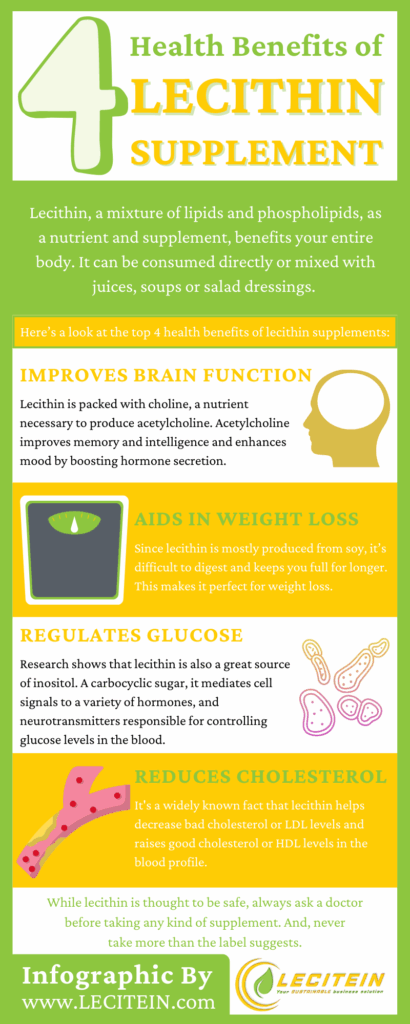
Lecithin, a soy-based substance, has gained popularity for its high cholesterol-fighting properties, but there’s more to it than that. It also boasts various lesser-known benefits, making it essential to understand this curious ingredient.
Understanding the Uses of Soy Lecithin
Soy lecithin is commonly found in many foods, even when you’re not aware of it. It’s often used as an emulsifier in food products like creams, puddings, sauces, and gelato. Its ability to mix substances that wouldn’t normally combine makes it a valuable ingredient. This versatility has led to its use in various applications beyond the culinary world.
Composition of Soy Lecithin
Soy lecithin is part of the phospholipid family and contains essential minerals like calcium, iron, and phosphorus. It’s also rich in omega-3 and omega-6 fatty acids, as well as other nutrients like choline and inositol. Unlike proteins, soy lecithin doesn’t contain them, but it does have a high amount of linoleic acid.
Properties of Soy Lecithin
Soy lecithin’s most appreciated feature is its emulsification ability. It can combine substances that wouldn’t normally mix, making it an excellent ingredient in food products and cosmetics. Additionally, soy lecithin has a beneficial effect on blood vessels, removing excess fat and providing essential nutrients.
How Soy Lecithin Works
Soy lecithin’s primary function is to transport fats through the bloodstream, which helps remove excess cholesterol from the body. This process occurs when soy lecithin transports fats to the liver, where they are absorbed and excreted with feces.
Benefits of Soy Lecithin
Soy lecithin offers various benefits, even for those with perfect cholesterol levels and overall health. It can also improve cognitive function and is beneficial for individuals with celiac disease, making it an excellent supplement or ingredient in recipes. Furthermore, soy lecithin has been shown to have antioxidant properties, which can help protect against cell damage.
Soy Lecithin vs. High Cholesterol
For those struggling with high cholesterol, soy lecithin is a valuable ally. However, incorporating it into your diet requires patience and consistency. It’s essential to follow the recommended dosage of three teaspoons (12 grams) per day, along with other foods like yogurt, soup, or coffee.
Soy Lecithin for Healthy Hair
Using soy lecithin can also benefit hair health. To do so, mix a tablespoon of lecithin powder with water to create a paste. Apply the mixture to your hair and leave it on for 30 minutes before rinsing. This treatment can help nourish and moisturize the hair, promoting healthy growth.
Price and Availability of Soy Lecithin
Soy lecithin is an affordable product that can be easily found at supermarkets or online. A 250g jar from Leicina, an Italian natural products company, costs just €9.99. Additionally, soy lecithin can also be purchased in bulk, making it a cost-effective option for those who plan to use it regularly.
Important Safety Information
While soy lecithin is generally safe to consume, it’s essential to follow the recommended dosage and consult a healthcare professional before taking it, especially during pregnancy or breastfeeding. Pregnant women should also be aware that excessive consumption of soy lecithin may affect fetal development.
FAQs
- What are the benefits of consuming soy lecithin?
Soy lecithin offers various health benefits, including improved cholesterol levels, enhanced cognitive function, and reduced risk of heart disease. - Can I use soy lecithin as a substitute for other emulsifiers?
Yes, soy lecithin can be used as an alternative to other emulsifiers in food products and cosmetics. - How much soy lecithin should I consume daily?
The recommended dosage is three teaspoons (12 grams) per day, which can be taken with other foods like yogurt or soup. - Is soy lecithin safe for pregnant women?
It’s essential to consult a healthcare professional before consuming soy lecithin during pregnancy or breastfeeding. - Can I use soy lecithin on my hair?
Yes, mixing soy lecithin powder with water can create a paste that can be applied to your hair and left on for 30 minutes before rinsing. - How do I choose the best quality soy lecithin?
Look for products from reputable companies that are free of artificial additives and chemicals. - Can I take soy lecithin with other medications?
Consult a healthcare professional before taking soy lecithin with other medications or supplements. - What are the potential side effects of consuming soy lecithin?
Soy lecithin is generally safe to consume, but excessive consumption may cause stomach issues.
The Science Behind Soy Lecithin’s Effects
Research has shown that soy lecithin can have a positive impact on cardiovascular health by reducing the amount of cholesterol in the bloodstream. This is achieved through its ability to transport fats through the bloodstream and remove excess cholesterol from the body. Additionally, soy lecithin’s antioxidant properties can help protect against cell damage and reduce inflammation.
Using Soy Lecithin in Cooking
Soy lecithin is a versatile ingredient that can be used in various cooking applications. It’s an excellent emulsifier for dressings, marinades, and sauces. Simply mix the soy lecithin with other ingredients to create a smooth and consistent texture.
Conclusion
In conclusion, soy lecithin is more than just a cholesterol-fighting ingredient. Its versatility, nutritional profile, and antioxidant properties make it an essential component in various applications, from food products to cosmetics. By understanding its composition, benefits, and uses, individuals can harness the power of soy lecithin to improve their overall health and well-being.
Additional Benefits of Soy Lecithin
- Supports brain function and memory
- May help reduce symptoms of ADHD and autism
- Can be used as a natural remedy for digestive issues
- Has been shown to have antibacterial properties
How to Incorporate Soy Lecithin into Your Diet
- Add soy lecithin powder to your food products, such as soups, sauces, and dressings.
- Use soy lecithin in cooking, especially when making marinades or dressings.
- Take soy lecithin supplements after consulting with a healthcare professional.
- Mix soy lecithin powder with water to create a paste for hair treatment.
Final Thoughts
Soy lecithin is an extraordinary ingredient that offers numerous benefits for overall health and well-being. Its versatility, nutritional profile, and antioxidant properties make it an essential component in various applications. By understanding its composition, benefits, and uses, individuals can harness the power of soy lecithin to improve their overall health and well-being.


