
Optimizing Your Lawn Care: A Guide to a Thriving Green Space
As the seasons change, our lawns become more than just a aesthetic feature; they become an essential part of our well-being. However, maintaining a healthy lawn can be a daunting task, especially during the hot summer months. In this article, we’ll explore some expert tips on how to care for your lawn in the summer, ensuring it remains lush, green, and disease-free.
The Importance of Consistency
Consistency is key when it comes to lawn care. To achieve a healthy lawn, you must be committed to regular maintenance tasks, including watering, mowing, and fertilizing. A well-maintained lawn not only adds curb appeal but also provides a peaceful outdoor space for relaxation and recreation.
Watering: The Art of Continuous Irrigation
To prepare your lawn for the summer months, it’s essential to establish a consistent irrigation schedule. Watering your lawn in short, frequent sessions rather than infrequent, prolonged periods helps prevent overwatering and promotes healthy root growth. This approach also reduces the risk of fungal diseases that thrive in moist environments.
Choosing the Right Irrigation System
If you’re planning to be away from home for an extended period or have a small lawn that requires precise watering, consider investing in a dynamic irrigation system. These systems use sensors to detect soil moisture levels and adjust water flow accordingly, ensuring your grass receives the right amount of water at the right time.
Some popular types of irrigation systems include:
- Drip irrigation: A low-flow method that delivers water directly to the roots of the plants.
- Micro-irrigation: An efficient system that uses tiny tubes and drippers to deliver water to specific areas of the lawn.
- Sprinkler systems: Traditional systems that use sprinklers to distribute water evenly across the lawn.
Avoiding Irrigation Mistakes
When watering your lawn, there are several common mistakes to avoid:
- Watering during the night: This can lead to overwatering and create an ideal environment for fungal diseases.
- Watering during the hottest part of the day: Excessive heat can cause damage to your grass.
- Overwatering: Watering too frequently or using excessive amounts of water can lead to root rot, shallow roots, and other problems.
Fertilization: The Key to a Lush Lawn
A well-nourished lawn is essential for a healthy ecosystem. When it comes to fertilizing your lawn, choose organic options that provide essential nutrients for plant growth. Conventional fertilizers can contain chemicals that harm the environment and contaminate soil.
Some popular organic fertilizers include:
- Compost: A natural fertilizer made from decomposed organic matter.
- Manure: A nutrient-rich fertilizer made from animal waste.
- Fish emulsion: A liquid fertilizer made from fish bones and other organic materials.
Mowing: The Secret to a Healthy Lawn
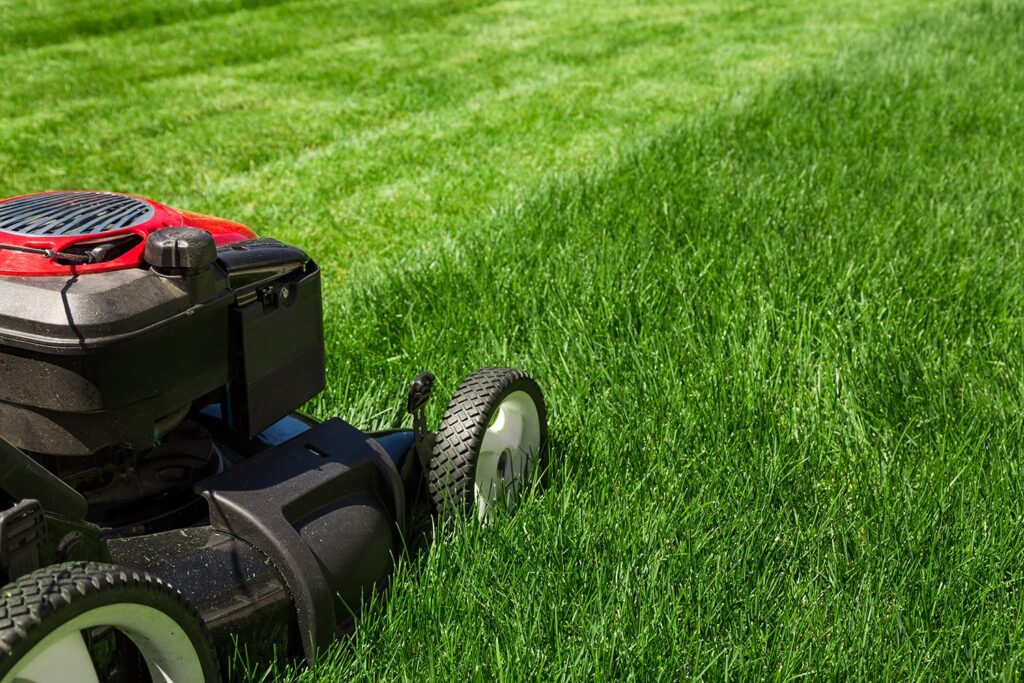
Proper mowing techniques are essential for maintaining a healthy lawn. Regular mowing helps control weeds, promotes even growth, and reduces the risk of disease.
Some tips for mowing your lawn include:
- Mow when it is dry: Wet grass can lead to uneven cutting and potential damage.
- Use sharp blades: Dull blades can tear the grass, leading to a rough texture and increased risk of disease.
- Maintain a consistent mowing height: Keeping the grass at the same height helps promote even growth and prevents weeds from taking over.
Aeration: The Key to Soil Health
Soil health plays a vital role in maintaining a lush and green lawn. Aerating your soil helps improve drainage, reduces soil compaction, and promotes nutrient uptake.
Some tips for aerating your lawn include:
- Use a manual aerator: A manual aerator is an affordable and effective way to aerate your lawn.
- Rent an electric aerator: Electric aerators are faster and more efficient than manual aerators.
- Aerate every 2-3 months: Regular aeration helps maintain optimal soil health and promotes healthy plant growth.
Conclusion
Caring for your lawn in the summer requires attention to detail and consistency. By following these expert tips on watering, fertilizing, mowing, and aeration, you can create a thriving green space that not only adds curb appeal but also enhances your overall well-being.
Frequently Asked Questions
- How often should I water my lawn?
- Water your lawn in short, frequent sessions to ensure optimal hydration.
- What is the best way to fertilize my lawn?
- Choose organic fertilizers that provide essential nutrients for plant growth.
- When should I mow my lawn?
- Mow your lawn when it is dry to prevent uneven cutting and potential damage.
- Why is aeration important for my lawn?
- Aeration promotes nutrient uptake, improves drainage, and reduces soil compaction.
Additional Resources
- For more information on lawn care and maintenance, visit our dedicated blog section.
- Explore our selection of organic fertilizers and irrigation systems designed to promote healthy plant growth.


