
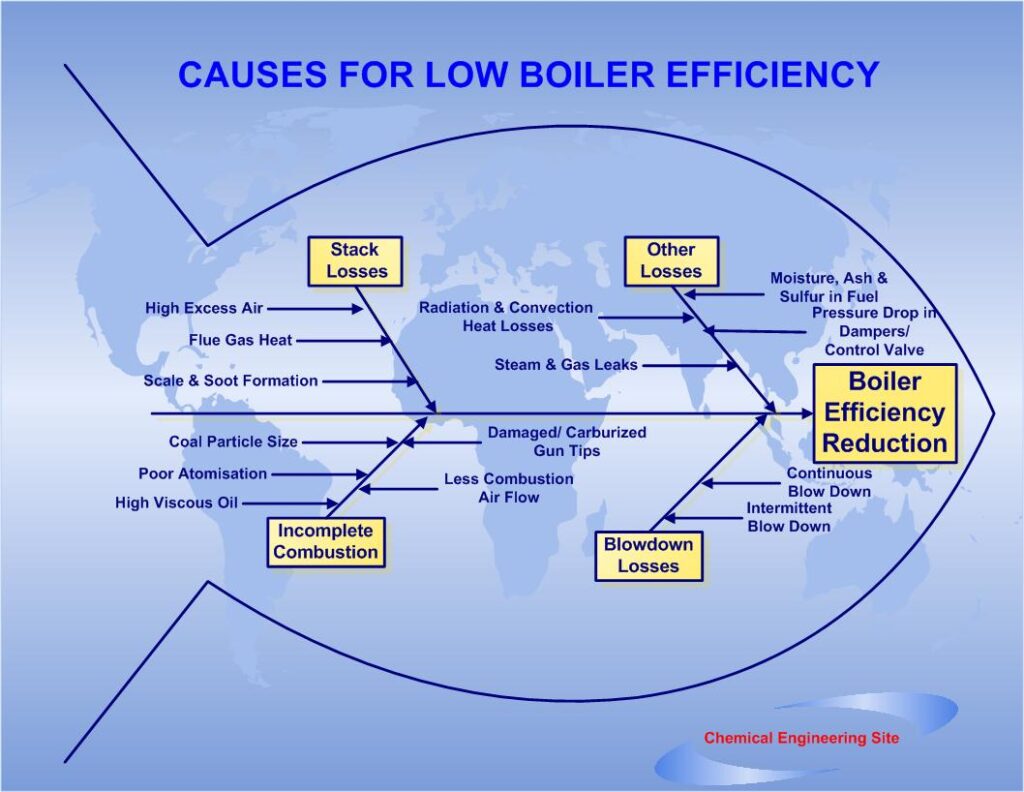
As a homeowner, you’re likely aware of the importance of maintaining a comfortable temperature in your home, especially during colder months. However, did you know that a significant amount of energy is wasted due to inefficient boiler performance? In this article, we’ll explore the concept of boiler efficiency and provide practical tips on how to improve it.
Understanding Boiler Efficiency
Boiler efficiency refers to the percentage of fuel energy converted into usable heat. A higher efficiency means less energy is wasted, resulting in cost savings and reduced environmental impact. To understand why efficiency matters, let’s examine the factors that influence it.
The Formula for Boiler Efficiency
The formula for boiler efficiency is: R = (Energy Transferred to Water) / (Energy Produced by Complete Combustion of Fuel)
To improve efficiency, we need to focus on two key components:
- Complete Combustion: This occurs when the correct amount of air is used during combustion.
- Energy Transfer: This refers to the energy transferred from the combustion process to the water.
The Importance of Complete Combustion
Complete combustion requires the right balance of air and fuel. If too little air is used, some of the fuel doesn’t burn efficiently, resulting in wasted heat. Conversely, using too much air can lead to excessive heat loss through the chimney.
The Role of Air in Combustion
Air plays a crucial role in combustion, especially for gas-fired boilers. In most cases, there’s no excess air in gaseous fuels, as the molecular mixing is at a fundamental level. However, liquid and solid fuels can lead to excessive air usage, causing heat loss.
Minimizing Heat Loss through the Chimney
To prevent energy loss through the chimney, some boilers employ an Exhaust Gas Heat Recovery System (EGHRS). This system captures heat from exhaust gases and transfers it to the water, increasing efficiency. Modern condensing boilers are particularly effective in this regard, as they capture latent heat from vaporized water.
The Impact of Tubing Fouling
Another factor that can reduce boiler efficiency is tubing fouling, also known as a “fouled” or clogged heating system. When pipes become coated with mineral deposits, it restricts heat transfer and reduces overall efficiency. Regular cleaning and maintenance are essential to prevent this issue.
Best Practices for Boiler Maintenance
To optimize your boiler’s performance:
- Regularly clean the condenser coils: Dirty coils can reduce efficiency by up to 20%.
- Monitor gas pressure: Low pressure can lead to incomplete combustion.
- Perform routine maintenance checks: Regular inspections can help identify issues before they become major problems.
Additional Tips for Improving Efficiency
- Consider installing a boiler upgrade, which can improve efficiency and reduce energy costs.
- Use a smart thermostat to optimize heating and cooling systems, leading to more efficient use of energy.
- Ensure proper installation and maintenance of your boiler system by hiring a qualified professional.
Conclusion
Boiler efficiency is a critical factor in reducing energy waste and saving money on your utility bills. By understanding the principles of complete combustion, optimizing air usage, minimizing heat loss through the chimney, and maintaining a clean heating system, you can significantly boost your boiler’s performance. By following these best practices, you’ll be well on your way to becoming an efficiency expert.
Frequently Asked Questions (FAQs)
- What is the average boiler efficiency?
- The average boiler efficiency varies depending on fuel type and model, but it typically ranges from 70% to 90%.
- How often should I clean my condenser coils?
- Regular cleaning of condenser coils (every 6-12 months) can help maintain optimal efficiency.
- Can a faulty boiler cause carbon emissions?
- Yes, an inefficient or poorly maintained boiler can lead to increased carbon emissions and contribute to climate change.
- How much energy can be saved by optimizing boiler performance?
- According to the U.S. Department of Energy, upgrading to an efficient boiler can save homeowners up to $500 per year on their utility bills.
- What are the benefits of installing a condensing boiler?
- Condensing boilers offer significant energy savings (up to 25%), reduced carbon emissions, and longer system lifespan compared to traditional boilers.
By understanding the principles of boiler efficiency and implementing best practices for maintenance, you can significantly improve your home’s energy efficiency and contribute to a more sustainable future.


