
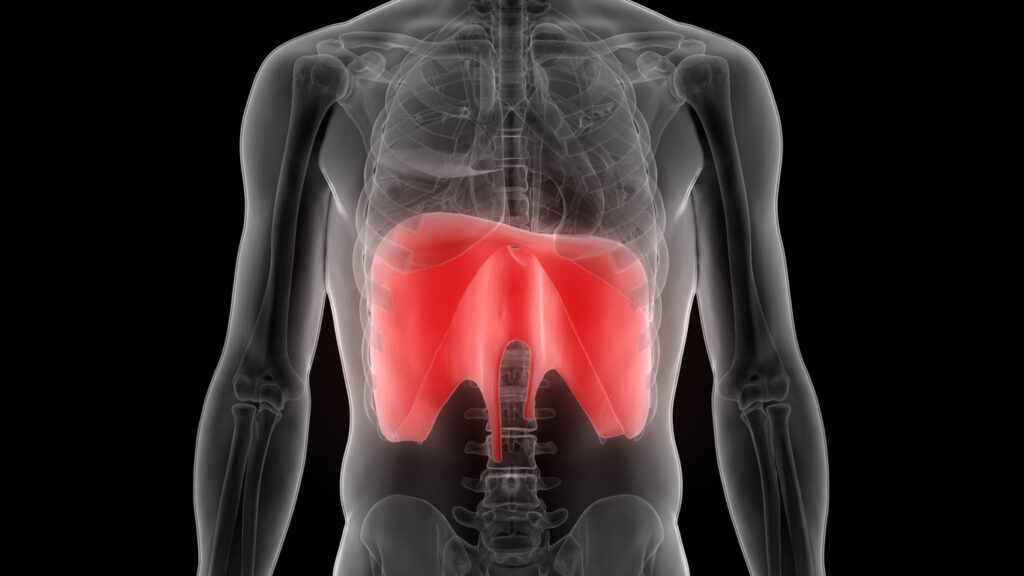
The psoas muscle is often overlooked but it’s a powerful muscle that can cause significant discomfort if it becomes inflamed. This muscle affects many joints, making it a vital area to understand and address. In this article, we’ll delve into the world of psoas and anxiety, exploring how these two concepts are interconnected and what you can do to alleviate pain.
What is the Psoas Muscle?
The psoas muscle is a unique muscle that has a profound impact on our posture, gait, and overall well-being. It’s often referred to as the “lower back” or “hip flexor,” but its functions extend far beyond these areas. This muscle plays a crucial role in connecting the legs to the spine, allowing us to move with fluidity and balance.
The psoas muscle is made up of two distinct muscles: the iliacus and the psoas major. The iliacus is located on the outer aspect of the pelvis, while the psoas major runs along the spine from the lower back down to the hip bone. Together, these muscles form a powerful combination that enables us to walk, run, and engage in various physical activities.
Psoas Infiammato: What to Expect
When the psoas muscle becomes inflamed, it can cause significant pain and discomfort. One of the first signs is a change in movement patterns, where the knee doesn’t flex properly, making everyday activities challenging. Walking or standing for extended periods can exacerbate the pain, which may radiate down to the groin area.
Inflammation in the psoas muscle can also lead to emotional symptoms such as stress, anxiety, and fear. This is because the psoas muscle is closely linked to the nervous system, and when it becomes inflamed, it can send distress signals to the brain, leading to a range of negative emotions.
Psoas e Ansia: How to Intervene
Fortunately, there are exercises that can help alleviate psoas inflammation and anxiety. One technique involves using a yoga mat or a pile of cushions to create a makeshift stretching surface. Lie on your back, stretch out your legs, and focus on relaxing the muscles in your lower back.
If necessary, you can also try contracting and releasing the muscles in your abdomen to release tension. This technique is often referred to as “abdominal breathing” or “diaphragmatic breathing,” and it involves engaging the diaphragm to expand the lungs and calm the nervous system.
Psoas: Tempistiche
The healing process for psoas inflammation is highly individualized, depending on when the muscle was contracted and how effectively it’s been stretched. Be patient, as this process may take time. It’s essential to work with a healthcare professional to create a personalized treatment plan that addresses your specific needs.
Psoas e Ansia: The Ancient Connection
In ancient Greek anatomy, the psoas muscle was referred to as the “knee of the kidneys.” This refers to its proximity to these organs, which are located near the spine. Today, we understand that the psoas is actually composed of two muscles: the iliacus and the psoas major.
This ancient connection highlights the complex relationship between the physical body and emotional well-being. The psoas muscle plays a crucial role in connecting the legs to the spine, which can also affect our emotional state.
The Iliopsoas: A Misunderstood Muscle
Historically, there was confusion over whether the psoas was a single muscle or two separate ones. In 1950s research, John Basmajian proposed that the iliacus and psoas major were inextricably linked due to their shared point of attachment. However, modern understanding reveals that these muscles have distinct functions.
While the iliacus is primarily involved in hip flexion, the psoas major plays a more significant role in stabilizing the spine and pelvis. This distinction highlights the importance of understanding the complexities of muscle function and their impact on overall health.
The Psoas: A Muscle of Power
Today, we recognize that the psoas is a vital muscle for maintaining good posture, balance, and movement quality. It’s often overlooked, but its role in connecting the legs to the spine cannot be overstated.
By strengthening the psoas muscle through exercises like yoga or Pilates, you can improve your overall posture, reduce pain, and enhance your physical performance. This muscle also plays a crucial role in managing stress and anxiety, making it an essential component of a comprehensive wellness plan.
Emotional Connection to the Psoas
Research has also shown that the psoas plays a significant emotional role, acting as a conduit for stress, anxiety, and fear. When we experience stress or feel threatened, our body responds by contracting the psoas muscle, which can lead to ongoing inflammation.
This connection between the physical body and emotional well-being highlights the importance of addressing both aspects simultaneously. By engaging in exercises that target the psoas muscle, you can reduce pain, improve posture, and cultivate greater emotional resilience.
The Psoas in Holistic Healing
In traditional Chinese medicine and kinesiology, the psoas is linked to the Meridian of the Kidneys and is part of the Water Loggia. This suggests a deep connection between the physical body and emotional well-being.
By understanding the intricate relationships between the psoas muscle and various aspects of health, you can develop a more holistic approach to wellness. This may involve incorporating exercises that target the psoas muscle into your daily routine, as well as engaging in stress-reducing activities like meditation or yoga.
Conclusion
Understanding the intricacies of the psoas muscle can have a profound impact on our overall health and well-being. By addressing psoas inflammation and anxiety, we can improve posture, reduce pain, and cultivate greater emotional resilience.
As you continue to explore the world of psoas and anxiety, remember that it’s essential to approach this topic with patience, compassion, and an open mind. By working with a healthcare professional and incorporating exercises that target the psoas muscle into your daily routine, you can alleviate pain, improve posture, and enhance your overall well-being.
Frequently Asked Questions (FAQs)
- What are the symptoms of psoas inflammation?
Psoas inflammation can cause discomfort in the lower back, groin area, and legs. It may also lead to changes in movement patterns and make everyday activities challenging.
- Can psoas inflammation be cured with exercise?
While exercises like yoga and stretching can help alleviate pain, complete recovery may take time. Be patient and work with a healthcare professional to create a personalized treatment plan.
- What are the emotional connections of the psoas muscle?
The psoas is linked to stress, anxiety, fear, and other emotions that affect our physical well-being. By addressing these emotional connections, we can promote greater balance and resilience in our lives.
- How does the psoas influence movement quality?
The psoas plays a vital role in connecting the legs to the spine, allowing for fluid and balanced movement.
- Can I prevent psoas inflammation through lifestyle changes?
Yes! Maintaining good posture, engaging in regular exercise, and managing stress can help prevent psoas inflammation.
- What are some effective exercises for alleviating psoas pain?
Yoga, stretching, and gentle exercises like pelvic tilts can help alleviate psoas pain.
- Can I experience anxiety or other emotional issues if my psoas is inflamed?
Yes! Inflammation in the psoas muscle can lead to emotional symptoms such as stress, anxiety, and fear.
- How can I address the emotional connection between my psoas and anxiety?
By acknowledging and addressing these emotional connections, you can cultivate greater balance and resilience in your life.
- Can I improve my posture by strengthening the psoas muscle?
Yes! Strengthening the psoas muscle through exercises like yoga or Pilates can help improve posture, reduce pain, and enhance overall physical performance.
- How can I incorporate the psoas muscle into my daily routine?
Incorporating exercises that target the psoas muscle into your daily routine can be as simple as practicing gentle stretches during commercial breaks while watching TV or engaging in yoga poses that focus on hip flexion and spinal alignment.


