
Introduction
The 2030 Agenda for Sustainable Development is a global framework that aims to promote sustainable development and ensure that all people can enjoy a decent standard of living without harming the planet. The agenda consists of 17 Sustainable Development Goals (SDGs) and 169 targets, which are designed to be implemented by governments, businesses, civil society organizations, and individuals around the world.
What is the 2030 Agenda?
The 2030 Agenda for Sustainable Development was adopted by the United Nations General Assembly in 2015. It represents a major shift in global priorities, as it recognizes that sustainable development is essential for achieving economic growth, social equity, and environmental protection.
How does the 2030 Agenda work?
The 2030 Agenda sets out a set of goals and targets that countries are expected to achieve by 2030. These goals include issues such as poverty reduction, climate change, and access to education and healthcare. Countries are encouraged to develop national strategies for achieving these goals, which must be aligned with the SDGs.
What are the Sustainable Development Goals?
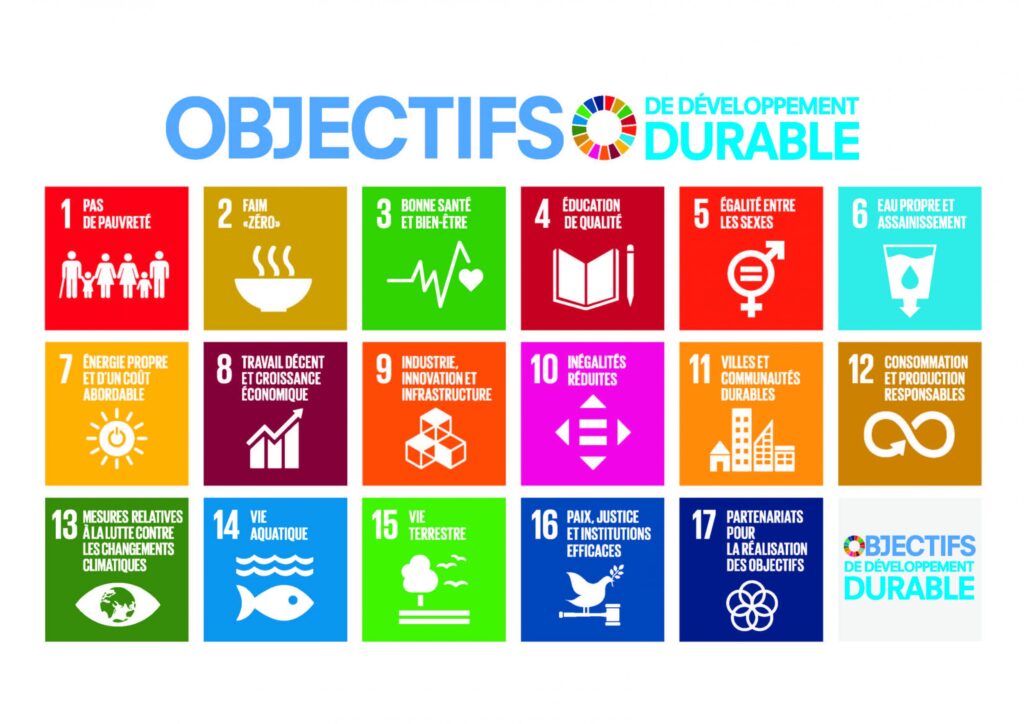
The 17 SDGs are:
- No Poverty: Eradicating extreme poverty
- Zero Hunger: Ensuring food security and reducing hunger
- Good Health and Well-being: Achieving universal health coverage and improving quality of life
- Quality Education: Providing access to quality education for all
- Gender Equality: Promoting gender equality and empowering women and girls
- Clean Water and Sanitation: Ensuring access to safe drinking water and sanitation
- Affordable and Clean Energy: Transitioning to renewable energy sources
- Decent Work and Economic Growth: Promoting economic growth, decent work, and social protection
- Industry, Innovation, and Infrastructure: Building modern, sustainable infrastructure
- Reduced Inequalities: Reducing income inequality within and between countries
- Sustainable Cities and Communities: Creating sustainable, resilient cities and communities
- Responsible Consumption and Production: Promoting sustainable consumption and production patterns
- Climate Action: Taking action to mitigate climate change
- Life Below Water: Protecting the world’s oceans and marine life
- Life on Land: Protecting and preserving ecosystems and biodiversity
- Peace, Justice, and Strong Institutions: Building peaceful, just societies with strong institutions
- Partnerships for the Goals: Fostering partnerships to achieve the SDGs
The role of Italy in achieving the 2030 Agenda
Italy has made significant progress in achieving the SDGs, particularly in areas such as reducing greenhouse gas emissions and promoting sustainable transportation. The country’s national strategy for sustainable development, which was developed in partnership with civil society organizations and businesses, sets out a range of initiatives to achieve the SDGs.
Action plans for Italy
The Italian government has set out several action plans to achieve the SDGs, including:
- Reducing greenhouse gas emissions: Italy aims to reduce its greenhouse gas emissions by 40% by 2030
- Promoting sustainable transportation: The country is investing in electric vehicles and improving public transportation
- Improving access to education and healthcare: Italy is working to improve access to quality education and healthcare, particularly for disadvantaged groups
Challenges facing Italy in achieving the SDGs
Despite its progress, Italy still faces several challenges in achieving the SDGs. These include:
- Climate change: Italy is vulnerable to climate-related disasters, such as floods and heatwaves
- Income inequality: Italy has significant income inequality, particularly between urban and rural areas
- Environmental degradation: Italy’s natural resources are under threat from pollution, deforestation, and habitat destruction
Opportunities for Italy in achieving the SDGs
Italy also has several opportunities to achieve the SDGs. These include:
- Sustainable tourism: Italy is a popular tourist destination, with significant potential for sustainable tourism
- Renewable energy: Italy has significant renewable energy resources, including solar and wind power
- Innovation and entrepreneurship: Italy has a strong tradition of innovation and entrepreneurship, which can be leveraged to achieve the SDGs
International cooperation in achieving the SDGs
Achieving the SDGs will require international cooperation and coordination. This includes:
- Global partnerships: International partnerships, such as the Global Partnership for Sustainable Development Goals, will be crucial in promoting sustainable development
- Climate change mitigation: International cooperation is essential in addressing climate change, which is a global challenge
- Sustainable development financing: International financing mechanisms, such as the Green Climate Fund, will be necessary to support sustainable development efforts
Conclusion
The 2030 Agenda for Sustainable Development is a critical framework for achieving a sustainable future. It sets out a clear set of goals and targets that countries must work towards, and provides a framework for promoting sustainable development and reducing poverty and inequality.
Frequently Asked Questions (FAQs)
- What are the SDGs?
The 17 Sustainable Development Goals (SDGs) are a set of global goals that aim to promote sustainable development and ensure that all people can enjoy a decent standard of living without harming the planet. - How many targets does the 2030 Agenda have?
The 2030 Agenda has 169 targets, which are designed to be implemented by governments, businesses, civil society organizations, and individuals around the world. - What is the role of Italy in achieving the 2030 Agenda?
Italy has made significant progress in achieving the SDGs, particularly in areas such as reducing greenhouse gas emissions and promoting sustainable transportation. - What are some examples of Italian action plans for achieving the SDGs?
Italy’s national strategy for sustainable development sets out a range of initiatives to achieve the SDGs, including reducing greenhouse gas emissions, promoting sustainable transportation, and improving access to education and healthcare. - How can individuals contribute to achieving the 2030 Agenda?
Individuals can contribute to achieving the 2030 Agenda by making lifestyle changes, such as reducing energy consumption and using public transportation, and by advocating for policies that support sustainable development. - What is the timeline for achieving the SDGs?
The SDGs are expected to be achieved by 2030, although some goals may take longer to achieve. - How will progress towards the SDGs be measured?
Progress towards the SDGs will be measured through a range of indicators, including poverty rates, greenhouse gas emissions, and access to education and healthcare. - What are the benefits of achieving the 2030 Agenda?
Achieving the 2030 Agenda would have numerous benefits, including reducing poverty and inequality, promoting sustainable economic growth, and protecting the environment.
Glossary
- Sustainable Development Goals (SDGs): A set of global goals that aim to promote sustainable development and ensure that all people can enjoy a decent standard of living without harming the planet.
- 2030 Agenda for Sustainable Development: A global framework that aims to promote sustainable development and ensure that all people can enjoy a decent standard of living without harming the planet.
- National strategy for sustainable development: A plan developed by governments, in partnership with civil society organizations and businesses, to achieve the SDGs.
- Greenhouse gas emissions: The release of carbon dioxide and other gases into the atmosphere, which contribute to climate change.
- Renewable energy sources: Energy sources that are sustainable and can be replenished naturally, such as solar and wind power.
References
- United Nations General Assembly (2015). Transforming our World: the 2030 Agenda for Sustainable Development.
- United Nations Development Programme (2020). Sustainable Development Goals: a new framework for global action.
- Italian Government (2020). National Strategy for Sustainable Development.
- World Health Organization (2020). Universal health coverage: an overview of the concept and progress.
- International Labour Organization (2020). Decent work agenda.
Appendix
- SDG indicators: A list of indicators that will be used to measure progress towards achieving the SDGs.
- Country reports: Reports from countries on their progress towards achieving the SDGs.
- International cooperation frameworks: Frameworks for international cooperation and coordination in achieving the SDGs.


