
Understanding Nocturnal Apnea: Causes, Symptoms, and Natural Remedies
Nocturnal apnea is a common sleep disorder that affects millions of people worldwide. Despite its prevalence, many individuals do not openly discuss their experiences with this condition. However, according to official epidemiological studies, approximately 2% of the female population and 4% of the male population suffer from nocturnal apnea. This condition is more prevalent among men over 50 than young adults.
Types of Nocturnal Apnea
Nocturnal apnea can be categorized into two main types: central and obstructive. Central apnea is caused by nervous system disorders and is a rare secondary consequence of specific neurologic diseases. Obstructive apnea, on the other hand, is triggered by a mechanical blockage in the respiratory tract.
Causes of Nocturnal Apnea
In most cases, nocturnal apnea falls under the obstructive category, which is more common among individuals who are overweight or have certain physical characteristics. When we sleep, our muscles relax, and this relaxation can lead to a higher risk of our tongue falling back and blocking the airway. This type of apnea is often associated with short necks and retroposed jaws.
Symptoms of Nocturnal Apnea
At first glance, nocturnal apnea may seem like an everyday occurrence that everyone experiences at some point. However, when it becomes a recurring issue, it can lead to a range of problems that affect our overall health and well-being. The most common symptoms include:
- Poor sleep quality
- Daytime fatigue
- Headaches
- Dry mouth
- Mood swings
Nocturnal Apnea in Children
While nocturnal apnea is more commonly associated with adults, it can also affect children. In this case, the condition is often linked to hyperactivity and irritability during the day.
In children, the cause of nocturnal apnea is similar to that in adults – a temporary blockage of airways in the upper respiratory tract. This blockage can occur for several seconds or even minutes at a time, and it may be accompanied by episodes of coughing or choking.
Natural Remedies for Nocturnal Apnea
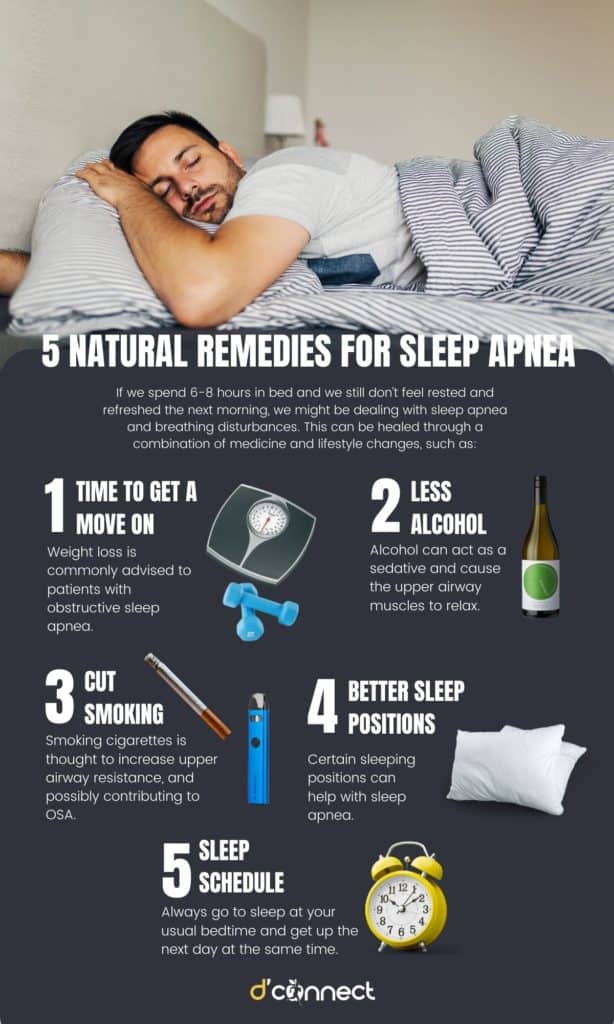
While medical treatment is often necessary, there are certain lifestyle changes that can help alleviate nocturnal apnea symptoms. These include:
- Maintaining a healthy weight
- Following a balanced diet
- Engaging in regular exercise
If these measures do not provide relief, your doctor may recommend the use of a Continuous Positive Airway Pressure (CPAP) mask to keep the airways open during sleep.
Conclusion
Nocturnal apnea is a complex condition that can have significant consequences for our overall health. While it is more common among men over 50 than young adults, there are also cases in children who suffer from this condition. By understanding the causes and symptoms of nocturnal apnea, we can take steps to prevent or alleviate its effects.
Frequently Asked Questions
-
What triggers nocturnal apnea?
Nocturnal apnea is triggered by a combination of factors, including obesity, physical characteristics, and relaxation of the muscles during sleep.
-
How common is nocturnal apnea in children?
While nocturnal apnea affects both adults and children, it is more commonly associated with hyperactivity and irritability in children.
-
What are the symptoms of nocturnal apnea?
The most common symptoms include poor sleep quality, daytime fatigue, headaches, dry mouth, and mood swings.
-
How can I prevent or alleviate nocturnal apnea symptoms?
Lifestyle changes such as maintaining a healthy weight, following a balanced diet, and engaging in regular exercise can help alleviate symptoms.
-
What is the most effective treatment for nocturnal apnea?
Continuous Positive Airway Pressure (CPAP) therapy is often recommended to keep airways open during sleep.
Additional Resources
- For more information on nocturnal apnea, visit our website at [website URL].
- Follow us on social media platforms like Twitter, Facebook, Google+, and Instagram for the latest updates and news on nocturnal apnea.


