
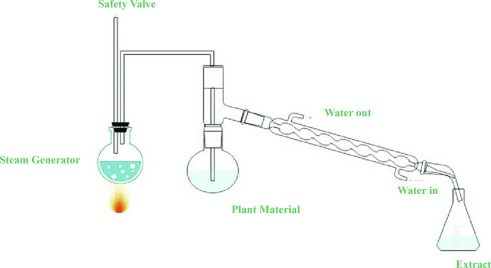
Steam distillation is a versatile technique used to extract essential oils and aromatic waters from herbs, plants, and other aromatic materials. This method harnesses steam as a carrier to separate the essential oil from the water through differences in density and low solubility in water. In this article, we will delve into the world of steam distillation, exploring its history, principles, applications, and safety considerations.
What is Steam Distillation?
Steam distillation is a process where steam is used to extract essential oils and hydrolates from plant material. The resulting product is an extracted liquid obtained by condensing the steam. This technique has been used for centuries in traditional medicine and aromatherapy, and its applications continue to grow in various industries.
History of Steam Distillation
The history of steam distillation dates back to ancient civilizations, where people used steam to extract essential oils from plants. The Egyptians, Chinese, and Greeks were among the first to employ this technique for medicinal purposes. In the 19th century, steam distillation became more widespread with the development of new technology and equipment.
How Steam Distillation Works
Steam distillation involves several key components:
- Boiler: A heat source is used to warm water in a boiler.
- Charging Chamber (Still): Plant material is placed in this chamber, which contains the essential oil being extracted.
- Condenser: The condenser cools the steam and hydrolate, causing them to separate into two distinct phases.
- Decanter or Collection Vessel: The collected liquid is stored in a decanter or collection vessel.
The process of steam distillation can be summarized as follows:
- Steam is generated by heating water in the boiler.
- The steam is passed through the charging chamber, where it interacts with the plant material and essential oil.
- The steam carries the essential oil and hydrolate away from the charging chamber.
- The condenser cools the steam and hydrolate, causing them to separate into two distinct phases: water and essential oil/hydrolate.
- The collected liquid is stored in a decanter or collection vessel.
Applications of Steam Distillation
Steam distillation has numerous applications across various industries:
- Essential Oil Production: Steam distillation is used to extract essential oils from plants, herbs, and spices.
- Aromatherapy: Essential oils produced through steam distillation are commonly used in aromatherapy for their therapeutic benefits.
- Pharmaceuticals: Steam distillation is used in the production of pharmaceuticals, such as herbal extracts and essences.
- Food Industry: Steam distillation is employed in the food industry to extract flavorings and fragrances from plants.
Safety Considerations
Steam distillation involves several safety considerations:
- Heat Control: Care must be taken to control heat levels to prevent overheating, which can lead to explosion or fire hazards.
- Ventilation: Adequate ventilation is crucial to remove steam and hydrolate vapors from the area.
- Equipment Maintenance: Regular maintenance of equipment is necessary to ensure proper function and prevent mechanical failures.
Steam Distillation at Home
Producing essential oils at home can be a rewarding experience, but it requires careful planning and attention to safety considerations:
- Specialized Equipment: Home distillers require specialized equipment, such as stills and condensers.
- Plant Material: High-quality plant material is necessary for producing effective essential oils.
- Safety Precautions: Care must be taken to follow proper safety protocols, including heat control and ventilation.
FAQs
- What are the benefits of steam distillation?
- How do I produce essential oils at home?
- Can I use steam distillation for other purposes?
- Are there any risks associated with steam distillation?
- How do I purify the resulting hydrolate?
Conclusion
Steam distillation is a versatile technique used to extract essential oils and aromatic waters from herbs, plants, and other aromatic materials. Its applications are diverse, ranging from aromatherapy and pharmaceuticals to food industry production. While steam distillation has numerous benefits, it requires careful planning, attention to safety considerations, and proper equipment maintenance. With the right knowledge and resources, individuals can produce high-quality essential oils at home or in industrial settings.
Further Resources
For those interested in learning more about steam distillation, here are some additional resources:
- Online courses: Websites such as Udemy and Coursera offer online courses on steam distillation.
- Books: There are numerous books available on the topic of steam distillation, covering topics from basic principles to advanced applications.
- Professional associations: Joining professional associations, such as the International Association for Aromatherapy (IAA), can provide access to expert knowledge and resources.
By exploring the world of steam distillation, individuals can unlock the secrets of this ancient technique and harness its potential in a variety of industries.


