
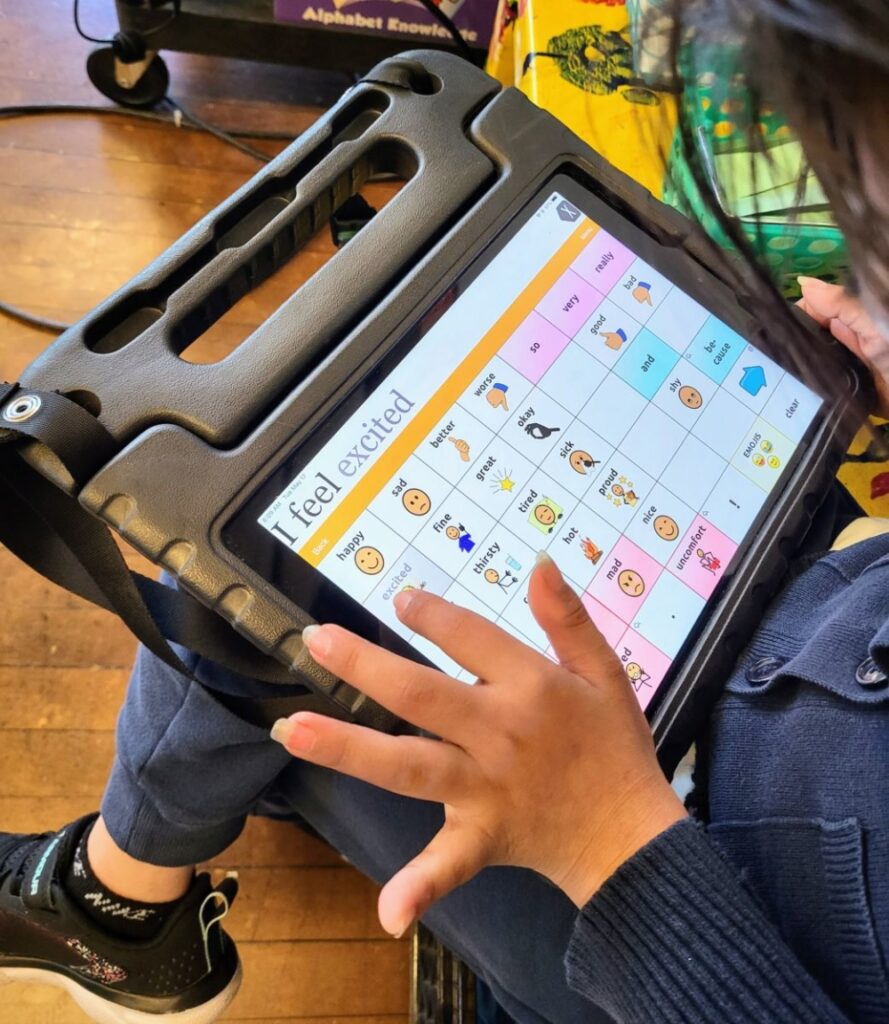
As we continue to navigate the complexities of autism and communication, it’s essential to explore innovative solutions that can empower individuals with autism. In this article, we’ll delve into the world of augmentative and alternative communication (AAC), a crucial aspect of supporting individuals with autism.
Understanding Autism: A Brief Overview
Before diving into AAC, let’s take a step back and review the current state of autism research. According to the Osservatorio Nazionale Autismo, an estimated 1 in every 77 children in Italy has autism. This number is on the rise globally, highlighting the need for effective solutions that can improve the lives of individuals with autism and their families.
Autism affects various aspects of life, including communication, social interaction, and interests. While there are distinct levels of severity, it’s essential to recognize that every individual with autism has unique strengths and challenges. By acknowledging these differences, we can better tailor support services and technologies to meet their specific needs.
The Challenges of Communication in Autism
Effective communication is a critical aspect of daily life for individuals with autism. However, they often face difficulties in expressing themselves verbally or non-verbally. This can lead to feelings of isolation, frustration, and anxiety. To address these challenges, AAC has emerged as a vital tool.
AAC involves using alternative methods to communicate, such as augmentative devices, symbols, or gestures. The goal is to enhance communication capabilities, rather than replacing traditional verbal or written forms. By leveraging technology, we can create personalized solutions that cater to each individual’s needs and abilities.
The Importance of Personalization in AAC
A key aspect of AAC is personalization. Each individual with autism has unique strengths, weaknesses, and preferences. To provide effective support, it’s crucial to tailor AAC strategies and technologies to their specific requirements. This might involve:
- Collaborating with multidisciplinary teams to assess the individual’s needs
- Developing customized AAC systems that incorporate their preferred methods of communication
- Providing ongoing training and support to ensure seamless integration
New Technologies for AAC: A Promising Future
Recent advancements in technology have given rise to innovative solutions for AAC. One notable example is the LIAR (Language Interface for AAC Rehabilitation) system, developed by Garage94. This cutting-edge tool uses a combination of AI-driven analysis and user feedback to create personalized communication strategies.
By leveraging AI-powered algorithms and real-time data analysis, LIAR can help individuals with autism develop more effective communication skills. This technology has been shown to improve social interactions, increase confidence, and enhance overall quality of life.
The Benefits of AAC for Individuals with Autism
AAC offers numerous benefits for individuals with autism, including:
- Enhanced communication capabilities: AAC enables individuals to express themselves more effectively, reducing feelings of frustration and anxiety.
- Increased social interaction: By improving communication skills, AAC can help individuals with autism engage more successfully in social situations.
- Improved mental health: The ability to communicate effectively can lead to reduced stress and improved mental well-being.
Challenges and Limitations of AAC
While AAC has numerous benefits, there are also challenges and limitations to consider. These include:
- Accessibility and affordability: AAC devices and systems can be expensive, making them inaccessible to some individuals.
- Technical issues: Devices and systems may require technical support, which can be challenging for individuals with autism.
- User acceptance: Some individuals with autism may resist using AAC, preferring traditional methods of communication.
Conclusion
The journey towards improving communication for individuals with autism is an ongoing one. By embracing innovative technologies like AAC and working together as a community, we can create a brighter future for those affected by this condition. As we continue to explore new frontiers in AAC, let’s remember that every individual deserves personalized support and the opportunity to thrive.
Frequently Asked Questions (FAQs)
- What is augmentative and alternative communication (AAC), and how does it differ from traditional methods of communication?
- AAC involves using alternative methods to communicate, such as devices or symbols, to enhance communication capabilities.
- How can personalized AAC strategies be developed for individuals with autism?
- Personalized AAC strategies involve collaborating with multidisciplinary teams to assess the individual’s needs and developing customized systems that cater to their unique requirements.
- What is LIAR (Language Interface for AAC Rehabilitation), and how does it work?
- LIAR is a cutting-edge tool developed by Garage94, which uses AI-driven analysis and user feedback to create personalized communication strategies.
- How can technology like LIAR improve social interactions and overall quality of life for individuals with autism?
- By providing real-time data analysis and personalized support, technologies like LIAR can help individuals with autism develop more effective communication skills, increase confidence, and enhance their social interactions.
- What are some potential challenges or limitations associated with AAC, and how can they be addressed?
- Potential challenges include ensuring that AAC systems are accessible and user-friendly, addressing issues of accessibility and affordability, and providing ongoing support and training to users.
- How can families and caregivers support individuals with autism in developing effective AAC strategies?
- Families and caregivers can play a vital role by working closely with AAC professionals, providing emotional support, and encouraging the individual to practice their communication skills regularly.
By exploring these topics and continuing to innovate in the field of AAC, we can create a more inclusive and supportive environment for individuals with autism.


