
As someone who has recently undergone an ammonia test to check for elevated levels of ammonia in your blood or urine, you’re probably wondering what the results mean. In this article, we’ll break down the basics of ammonia and its relationship with various health conditions.
What is Ammonia?
Ammonia (NH3) is a toxic compound that can have serious effects on the nervous system. It’s produced as a byproduct of protein metabolism in the gut and kidneys. Elevated levels of ammonia in the blood or urine indicate a condition known as hyperammonemia.
Why is Ammonia Important to Monitor?
Ammonia levels are crucial to monitor because high levels can lead to serious health complications, including:
- Liver damage
- Kidney failure
- Neurological problems
What Causes Elevated Ammonia Levels?
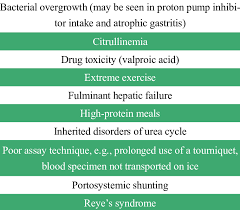
Elevated ammonia levels can be caused by a variety of factors, including:
- Liver disease (cirrhosis, hepatitis)
- Kidney disease (chronic kidney disease, acute kidney injury)
- Gastrointestinal disorders (gastroenteritis, inflammatory bowel disease)
- Infections (sepsis, urinary tract infections)
- Genetic disorders
What are the Normal Ranges for Ammonia Levels?
Normal ranges for ammonia levels vary depending on age, sex, and other factors. Generally, healthy individuals have:
- Blood ammonia levels between 11 – 48 μmol/L (women)
- Blood ammonia levels between 15 – 55 μmol/L (men)
What Should You Do If Your Ammonia Levels are Elevated?
If your ammonia levels are elevated, consult with your doctor to determine the cause and develop a treatment plan. Treatment may involve medication, dietary changes, or other interventions.
Medications for Hyperammonemia
Several medications are available to treat hyperammonemia, including:
- Aminoglycosides (e.g., gentamicin)
- Rifaximin (a non-absorbable antibiotic)
Dietary Changes for Hyperammonemia
In addition to medication, dietary changes can help manage hyperammonemia. Avoid foods that are high in protein, such as meat and eggs, and opt for low-protein diets instead.
Other Conditions Associated with Elevated Ammonia Levels
Several other conditions are associated with elevated ammonia levels, including:
- Morbus of Simmonds
- Hypoorbitinemia
Frequently Asked Questions (FAQs)
Q: What is the difference between hyperammonemia and hypouricemia?
A: Hyperammonemia refers to elevated ammonia levels in the blood or urine, while hypouricemia refers to low uric acid levels.
Q: Can I treat hyperammonemia with exercise?
A: Exercise may not be enough to treat hyperammonemia. Consult with your doctor for proper treatment and care.
Q: How can I prevent hyperammonemia from occurring?
A: Maintaining a healthy lifestyle, including a balanced diet, regular exercise, and stress management, can help prevent hyperammonemia.
Q: What are the long-term effects of untreated hyperammonemia?
A: Untreated hyperammonemia can lead to serious complications, including liver damage, kidney failure, and neurological problems.


