
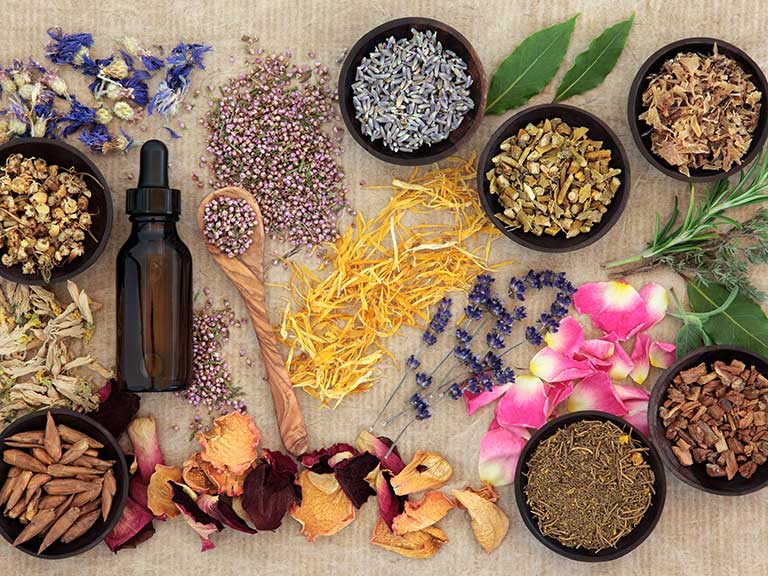
As we navigate the complexities of modern life, many of us seek natural solutions to our health concerns. One such approach is the use of wild herbs, which have been used for centuries in traditional medicine. In this article, we’ll explore the world of herbal remedies and discuss some of the most effective ways to harness their power.
Understanding Wild Herbs
While many of us are familiar with herbs like chamomile and peppermint, few of us realize just how diverse and accessible they can be. Wild herbs can be found growing in almost every corner of our planet, from the forest floor to the mountainside. By learning to identify and utilize these plants, we can tap into a wealth of natural remedies that have been proven to work.
The Benefits of Herbal Remedies
Herbal remedies offer a range of benefits, from relieving digestive issues to soothing sunburns. They are often gentler on the body than synthetic medications, making them an attractive option for those seeking alternative approaches to health. Additionally, many wild herbs are rich in antioxidants and other nutrients that can help to boost our overall well-being.
Common Wild Herbs
So, which wild herbs should we be looking out for? Some of the most commonly used include:
- Calendula: A popular remedy for skin issues like eczema and acne. Calendula has anti-inflammatory properties that can help to soothe irritated skin and promote wound healing.
- Mentha aquatica: Known for its ability to relieve digestive issues and reduce inflammation. Mentha aquatica has a cooling effect on the stomach, making it an effective remedy for heartburn, bloating, and indigestion.
- Farfara: Traditionally used to treat coughs, colds, and other respiratory issues. Farfara has anti-inflammatory properties that can help to soothe sore throats and reduce congestion.
- Olmaria (also known as Spiraea ulmaria): A natural remedy for fever, pain, and skin conditions like cellulite. Olmaria has antiseptic properties that can help to combat bacterial infections and promote healthy skin.
Preparing Herbal Remedies
So, how do we prepare these wild herbs for use? The process varies depending on the specific plant, but generally involves drying or infusing the leaves or flowers in hot water to create a tea or infusion. This can be done by air-drying the plants in a warm, dry place or by steeping them in hot water to create a soothing liquid that can be consumed hot or cold.
Infusions and Tisanes
One of the most popular ways to prepare herbal remedies is through infusion. This involves steeping the herbs in hot water to create a soothing liquid that can be consumed hot or cold. Some of the most common infusions include:
- Mentha aquatica: A refreshing drink that can help to alleviate digestive issues and reduce stress.
- Farfara: A flavorful tea that is traditionally used to treat coughs, colds, and other respiratory issues.
Other Herbal Remedies
In addition to infusions, there are many other ways to prepare herbal remedies. Some popular methods include:
- Impacchi: A type of treatment that involves applying a paste made from the herbs to the affected area. This can be used to treat skin conditions like eczema and acne.
- Bagni: A soothing bath made with herbs like calendula and olmaria. Bagni can help to relax the muscles, reduce inflammation, and promote overall well-being.
Using Wild Herbs in Cooking
Wild herbs are not just limited to herbal remedies; they can also be used to add flavor and nutrients to our meals. Some popular ways to use wild herbs in cooking include:
- Garnishing dishes: Use fresh herbs like mint, basil, or thyme to garnish soups, salads, and other dishes.
- Infusing oils and vinegars: Steep herbs like rosemary, sage, or lavender in oil or vinegar to create flavorful condiments.
- Adding to sauces and marinades: Mix wild herbs like marjoram, oregano, or thyme into your favorite sauces and marinades for added flavor.
Using Wild Herbs in Skincare
Wild herbs can also be used to promote healthy skin. Some popular ways to use wild herbs in skincare include:
- Making herbal face masks: Steep herbs like calendula, chamomile, or rose petals in hot water to create a soothing face mask.
- Creating herbal body butters: Mix herbs like shea butter, coconut oil, and essential oils with dried herbs like lavender or chamomile to create nourishing body butters.
Conclusion
As we’ve seen, wild herbs offer a wealth of natural remedies that can be used to treat everything from digestive issues to skin conditions. By learning to identify and utilize these plants, we can tap into a powerful tool for maintaining our overall health and well-being.
Frequently Asked Questions
- What are the benefits of using herbal remedies?
Herbal remedies offer a range of benefits, including relief from digestive issues, soothing sunburns, and boosting overall well-being. - How do I prepare herbal remedies?
The process varies depending on the specific plant, but generally involves drying or infusing the leaves or flowers in hot water to create a tea or infusion. - What are some of the most commonly used wild herbs?
Some of the most commonly used wild herbs include calendula, mentha aquatica, farfara, and olmaria. - Are herbal remedies safe to use?
While generally considered safe, herbal remedies can interact with certain medications or have side effects in rare cases. It’s always best to consult with a healthcare professional before using any new remedy. - How do I choose the right wild herbs for my needs?
The best way to choose the right wild herbs is to learn about their individual properties and uses. This can be done through research, consultation with a healthcare professional, or by trial and error. - Can I grow my own wild herbs?
Yes! Many wild herbs can be easily grown in your own garden or even in pots on your balcony. - How do I store herbal remedies?
Herbal remedies should be stored in a cool, dry place to preserve their potency and shelf life. - Are there any potential risks associated with using wild herbs?
While generally considered safe, wild herbs can interact with certain medications or have side effects in rare cases. It’s always best to consult with a healthcare professional before using any new remedy.
Additional Resources
If you’re interested in learning more about wild herbs and their uses, here are some additional resources to get you started:
- Herbalism courses: Many herbalism schools and universities offer courses on the use of wild herbs.
- Wild herb foraging guides: There are many online guides and books available that can help you identify and harvest wild herbs safely.
- Herbal remedy apps: Apps like HerbMed and PlantSnap can help you identify and learn about different plants, including wild herbs.
By embracing the power of wild herbs, we can tap into a natural world that has been waiting for us to discover its secrets. Whether you’re looking for relief from digestive issues or simply want to boost your overall well-being, there’s a wild herb out there just waiting to be discovered.


