
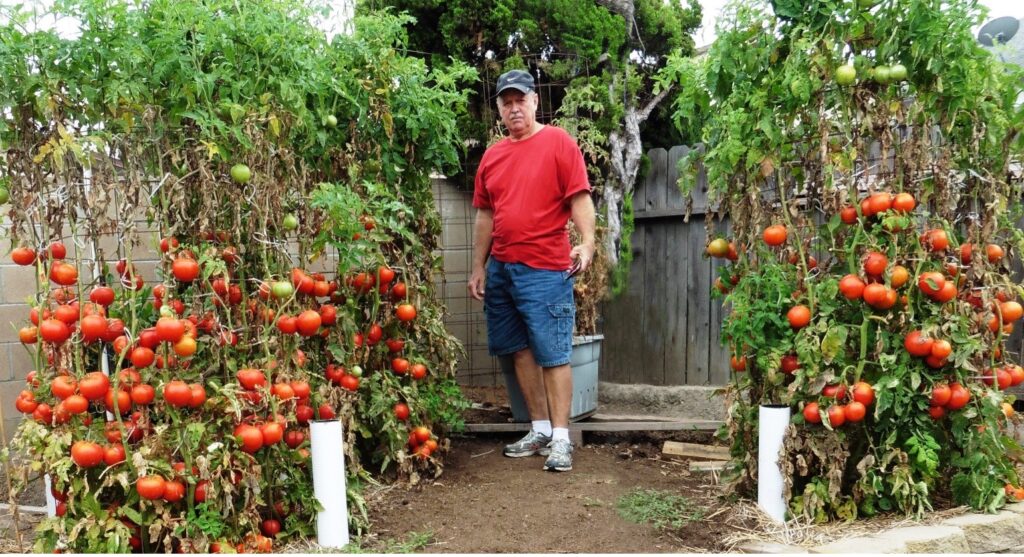
As one of the most widely consumed vegetables (yes, tomatoes are technically a fruit!) in the world, growing your own tomatoes can be a rewarding experience. Not only do they add a burst of juicy sweetness to any dish, but they’re also packed with essential nutrients like vitamin B and C. In this article, we’ll delve into the world of tomato cultivation, exploring everything from the best practices for growing delicious, disease-free tomatoes in containers or in the ground.
What Makes Tomatoes Easy to Grow?
While it’s easy to get carried away with the idea that any plant can thrive without proper care, the truth is that all plants require some level of maintenance. The good news is that tomatoes are surprisingly hardy and adaptable, making them an excellent choice for beginners. With a few simple guidelines and some TLC, you’ll be enjoying fresh, homegrown tomatoes in no time.
Growing Tomatoes in Containers
If you’re new to gardening or don’t have the space for a traditional tomato plant, growing tomatoes in containers is a fantastic option. To get started, follow these key steps:
• Irrigation: Water your tomatoes daily, making sure not to overwater. The best time to water is early morning or late evening to avoid fungal diseases.
• Sunlight: Choose a spot that receives at least 6 hours of direct sunlight per day.
• Soil: Use a well-draining potting mix and add fertilizer specifically formulated for tomatoes.
Container Size and Depth
When growing tomatoes in containers, it’s essential to choose the right size. A larger container provides more room for the roots to grow and will help prevent the soil from becoming waterlogged. For small spaces, consider using compact or dwarf tomato varieties that can thrive in shallow containers.
• Minimum Container Size: 12-18 inches deep and at least 2×2 feet wide.
• Depth of Soil: Fill the container with a well-draining potting mix to a depth of 8-10 inches.
When to Plant Tomatoes
The ideal time to plant tomatoes depends on your location. In general, late spring is the best time to get started. Make sure to wait until the soil has warmed up and the risk of frost has passed.
How to Care for Your Tomato Plants
Proper care is essential for growing healthy, productive tomato plants. Here are some key tips:
• Soil: Add a 2-inch layer of compost or well-rotted manure to your soil before planting.
• Support: Provide support for your plants using tomato cages, trellises, or stakes.
• Watering: Water your tomatoes regularly, but avoid overwatering, which can lead to fungal diseases.
Tomato Support Options
Provide support for your tomato plants to keep them upright and promote healthy growth. Consider the following options:
• Cages: Tomato cages are a popular choice for small spaces. They provide excellent support while keeping the plant tidy.
• Trellises: Trellises offer more flexibility and can be used to train the plant upwards or outwards.
• Stakes: Stakes provide individual support for each plant, which is ideal for compact varieties.
Pruning Tomatoes
Regular pruning promotes healthy growth and fruiting in tomato plants. Prune your tomatoes at least once a month, removing any weak or spindly growth. Cut back the plant to about 2-3 feet tall after harvest to encourage new growth.
• Remove Lower Leaves: Remove lower leaves from the plant to prevent fungal diseases.
• Cut Back Tips: Trim the tips of the stems to promote branching and more fruiting.
Common Tomato Problems
While growing tomatoes is relatively easy, there are a few common problems you might encounter. Keep an eye out for:
• Mildew: A fungal disease that causes yellow spots on the leaves. To prevent mildew, make sure your plants have good air circulation and water them in the morning.
• Pests: Watch out for pests like hornworms, aphids, and whiteflies. Use organic or integrated pest management (IPM) methods to control infestations.
Tips for a Bountiful Harvest
To enjoy a bountiful harvest, follow these tips:
• Pruning: Prune your tomato plants regularly to promote healthy growth and fruiting.
• Mulching: Mulch around your plants to retain moisture and suppress weeds.
• Pollination: Encourage pollination by gently brushing the flowers with a small, soft-bristled brush.
The Benefits of Growing Your Own Tomatoes
Growing your own tomatoes can have numerous benefits, including:
• Freshness: Enjoy fresh, homegrown tomatoes at their peak flavor and nutritional value.
• Cost savings: By growing your own tomatoes, you’ll save money on grocery bills and reduce your carbon footprint.
• Stress relief: Gardening is a great way to relax and unwind, and growing tomatoes can be a fun and rewarding experience.
Frequently Asked Questions
Here are some frequently asked questions about growing tomatoes:
Q: What’s the best variety of tomato for beginners?
A: Look for compact or dwarf varieties like ‘Patio’ or ‘Tiny Tim’, which are perfect for small spaces and easy to care for.
Q: How often should I fertilize my tomatoes?
A: Fertilize your tomatoes once a month, using a balanced fertilizer specifically formulated for tomatoes.
Q: Can I grow tomatoes in cold climates?
A: Yes, but be prepared for potential frost damage. Choose varieties that are resistant to cold temperatures and provide protection with row covers or other forms of frost protection.
Q: How long does it take for tomatoes to mature?
A: Tomatoes typically take 60-90 days to mature from transplanting, depending on the variety and growing conditions.
Q: Can I grow cherry tomatoes in containers?
A: Yes! Cherry tomatoes are perfect for containers, as they require minimal support and produce fruit quickly.
Variety Selection
Choosing the right tomato variety is crucial for a successful harvest. Consider factors like climate, space, and desired flavor profile when selecting a variety. Here are some popular varieties:
• Beefsteak: A classic variety with large, meaty tomatoes.
• Cherry Tomatoes: Perfect for containers and small spaces, cherry tomatoes produce fruit quickly.
• Patio: A compact variety ideal for balconies or small patios.
Additional Tips
Here are a few more tips to keep in mind:
• Monitor Soil pH: Tomatoes prefer a slightly acidic soil pH (around 6.0-7.0).
• Watch for Pests: Regularly inspect your plants for signs of pests and take action promptly.
• Keep Records: Keep track of your planting schedule, watering habits, and fertilization to improve future harvests.
Growing tomatoes can be a rewarding experience, but it does require some effort and attention. By following these guidelines and tips, you’ll be well on your way to growing delicious, disease-free tomatoes in no time. Happy gardening!


