
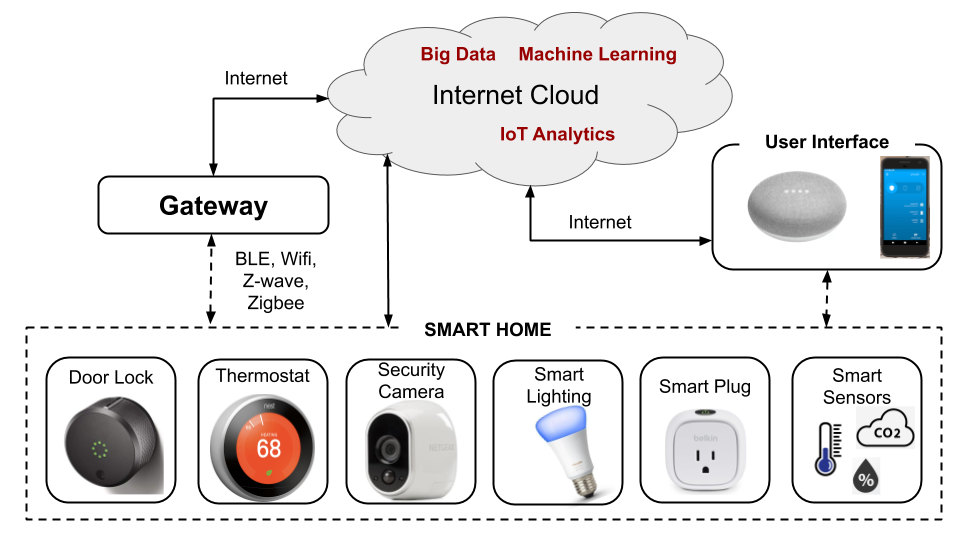
Home automation is a system that allows you to control and monitor various aspects of your home’s systems, appliances, and devices remotely. It’s a technology that has been evolving rapidly over the years, offering numerous benefits, such as energy efficiency, convenience, and enhanced security.
Key Characteristics of Home Automation
So, what makes home automation so special? Here are some key characteristics:
- Ease of use: Home automation systems should be intuitive and easy to navigate, even for those who aren’t tech-savvy.
- Reliability: The system should be reliable and trustworthy, ensuring that everything works as expected.
- Energy efficiency: Home automation systems can help reduce energy consumption by optimizing heating, cooling, lighting, and other appliances.
- Automation: The system should be able to automate various tasks, such as turning lights on/off, adjusting thermostats, or locking doors.
How Home Automation Works
So, how do home automation systems actually work? It’s quite simple:
- Sensors and actuators: The system uses sensors and actuators to detect changes in the environment and respond accordingly.
- Gateway: The gateway connects to the internet, allowing remote access to the system and enabling control over various devices.
For instance, imagine you’re away from home and want to allow a trusted guest to enter. You can use your smartphone app to grant access to the guest, who will receive a notification on their phone with instructions on how to proceed.
Benefits of Home Automation
Home automation offers numerous benefits, including:
- Convenience: Control your home’s systems from anywhere, at any time.
- Energy efficiency: Reduce energy consumption and lower your utility bills.
- Enhanced security: Monitor your home remotely and receive alerts in case of unusual activity.
Common Home Automation Devices
Some common devices that are often integrated into home automation systems include:
- Lighting control: Smart light bulbs, dimmers, and switches can be controlled remotely.
- Thermostats: Learn your schedule and preferences to optimize heating and cooling.
- Security cameras: Monitor your home and receive alerts in case of suspicious activity.
Real-World Applications
Home automation has numerous real-world applications:
- Smart homes: Integrate various systems, such as lighting, temperature control, and security.
- Commercial buildings: Improve energy efficiency and enhance security for businesses.
- Rural homes: Increase energy independence and reduce reliance on public utilities.
Types of Home Automation Systems
There are several types of home automation systems available:
- Hub-based systems: Use a central hub to connect devices and control the system.
- App-controlled systems: Control the system through a smartphone app.
- Voice-controlled systems: Control the system using voice commands.
How to Choose a Home Automation System
Choosing the right home automation system can be overwhelming, but here are some tips:
- Consider your needs: Think about what features and devices you need for your specific situation.
- Research different options: Look into various systems and brands to find the one that best fits your needs.
- Read reviews: Check out reviews from other customers to get a sense of their experiences with the system.
Home Automation for Seniors
Home automation can be especially beneficial for seniors, who may struggle with mobility or have difficulty controlling appliances manually:
- Remote monitoring: Use home automation systems to monitor your senior’s activity and receive alerts in case of unusual behavior.
- Automated care: Automate daily tasks, such as turning lights on/off or adjusting thermostats, to make life easier for seniors.
Home Automation for People with Disabilities
Home automation can also be beneficial for people with disabilities:
- Assistive technology: Use home automation systems to control assistive devices, such as wheelchairs or prosthetic limbs.
- Enhanced independence: Automate tasks that may be difficult or time-consuming for people with disabilities.
FAQs
- What is home automation?
Home automation refers to a system that allows you to control and monitor various aspects of your home’s systems, appliances, and devices remotely. - How does home automation work?
Home automation uses sensors and actuators to detect changes in the environment and respond accordingly, with a gateway connecting to the internet for remote access. - What are some benefits of home automation?
Benefits include convenience, energy efficiency, and enhanced security. - What devices are commonly integrated into home automation systems?
Devices often include lighting control, thermostats, and security cameras. - How can I use home automation in my daily life?
Start by integrating simple devices like smart light bulbs and thermostats, then expand to more complex systems.
Home automation is a rapidly evolving technology that offers numerous benefits for homeowners. By understanding how it works and its various applications, you can harness the power of this technology to enhance your daily life.


