
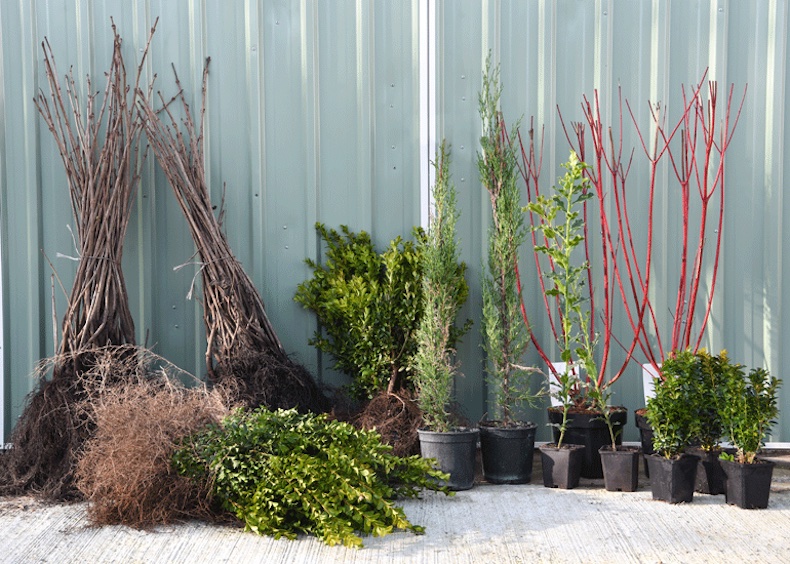
The Art of Growing a Hedge in a Container: A Comprehensive Guide
As the demand for low-maintenance and space-saving gardening solutions continues to grow, many homeowners are turning to container-grown hedges as an attractive and practical alternative. But with so many options available, choosing the right hedge plant, container, and care routine can be overwhelming.
In this article, we’ll delve into the world of container-grown hedges, exploring the best types of plants, containers, and care techniques to ensure a thriving and beautiful hedge in your home or garden.
Choosing the Right Container
When it comes to selecting a container for your hedge, there are several factors to consider. The size of the container will depend on the mature size of the hedge plant, as well as the amount of space you have available. In general, larger containers can support more vigorous growth, but may require more frequent watering and fertilization.
For a container-grown hedge, it’s best to choose a container made from durable materials such as plastic or metal. Avoid using wooden containers, as they can rot and create an environment conducive to pest infestations.
Selecting the Right Hedge Plant
With so many options available, choosing the right hedge plant can be daunting. Here are some factors to consider:
- Hardiness zone: Choose a plant that is suitable for your local climate and hardiness zone.
- Growth rate: Consider how quickly you want your hedge to grow and mature.
- Maintenance requirements: Some hedges require more frequent pruning or fertilization than others.
Some popular hedge plants include:
- Boxwood (Buxus sempervirens): A classic, low-maintenance option that can be trained to maintain a formal shape.
- Yew (Taxus baccata): A versatile plant with dark green leaves and red berries that can be used for hedging, topiaries, or groundcover.
- Holly (Ilex aquifolium): A fast-growing evergreen with bright red berries that can add a pop of color to your hedge.
Siepe in Vaso: The Italian Art of Growing Hedges
In Italy, growing hedges in containers is known as “siepe in vaso.” This technique involves using small pots or planters to create a hedge, often using evergreen plants such as boxwood or yew. The siepe in vaso is typically grown on a trellis or arbor, adding an extra layer of beauty and structure to the overall design.
To create a successful siepe in vaso, it’s essential to choose the right container size and material, as well as selecting plants that are suitable for container-grown hedges. Regular pruning and fertilization will also help maintain the health and appearance of your hedge.
Siepe Fiorita e Sempreverdi in Vaso
If you’re looking for a hedge with flowering potential, consider growing a variety of evergreen shrubs that produce showy blooms. Some popular options include:
- Viburnum (Viburnum opulus): A fragrant shrub with white flowers and red berries that can add a pop of color to your hedge.
- Camellia (Camellia japonica): A flowering evergreen that produces showy pink or white blooms in the fall.
- Iperico Hidecote (Hypericum hidcote): A flowering shrub with bright yellow flowers and dark green foliage.
Siepe di Bambù in Vaso
For a unique and low-maintenance hedge option, consider growing a bamboo hedge. Bamboo is a fast-growing plant that can add texture and interest to your hedge.
However, be aware that bamboo can be invasive in certain climates, so it’s essential to choose a variety that is suitable for your local environment.
Tips for Creating a Thriving Siepe in Vaso
To create a successful siepe in vaso, follow these tips:
- Choose the right container: Select a container that is at least 12-18 inches deep and has drainage holes to prevent waterlogged soil.
- Select the right plants: Choose evergreen shrubs or trees that are suitable for container-grown hedges and can thrive in your local climate.
- Provide adequate sunlight: Most hedge plants require at least 4-6 hours of direct sunlight per day.
- Water regularly: Water your hedge regularly, but make sure not to overwater. Check the soil moisture by sticking your finger into the soil up to the first knuckle.
Common Mistakes to Avoid When Growing a Siepe in Vaso
To avoid common mistakes when growing a siepe in vaso, follow these tips:
- Don’t overcrowd: Make sure to leave enough space between each plant for proper growth and air circulation.
- Avoid overwatering: Overwatering can lead to root rot and other problems. Check the soil moisture regularly and only water when necessary.
- Provide support: If your plants are top-heavy, provide support with stakes or a trellis to prevent them from toppling over.
Conclusion
Growing a hedge in a container can be a rewarding and beautiful addition to your home or garden. By choosing the right container, plant, and care routine, you can create a thriving and attractive hedge that brings joy and serenity to your outdoor space.
By following these tips and guidelines, you can successfully grow a siepe in vaso, creating a stunning and low-maintenance hedge that adds beauty and character to your home or garden.


