
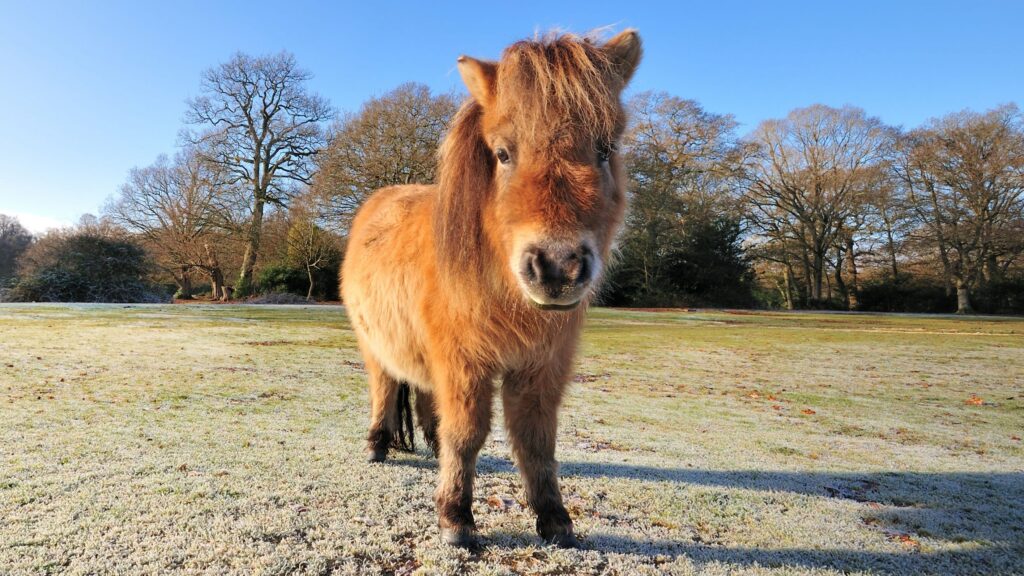
As a passionate equestrian enthusiast, you might have heard of ponies but are unsure what makes them special. From their miniature size to their impressive strength, ponies are indeed unique creatures that capture our hearts. In this article, we’ll delve into the fascinating world of ponies, exploring their evolution, care, and distinct characteristics.
What is a Pony?
A pony is a small horse breed that does not exceed 150 cm (4.9 ft) in height or 148 cm without stirrups. The term “pony” has been adopted to describe any miniature horse, regardless of its origin or size. However, it’s essential to note that the concept of ponies varies across cultures and regions.
Evolutionary History
Contrary to popular belief, ponies did not evolve from miniature horses. Instead, they are believed to have developed from wild horses (Equus ferus) in cold climates with limited resources. The most widely accepted theory suggests that ponies originated in the Northern European region, where they adapted to harsh environments.
Types of Ponies
Ponies come in various shapes and sizes, catering to different breeds and purposes. Here are three primary categories:
- Traditional Ponies: These ponies have been bred for centuries and are known for their classic appearance and strong constitution.
- Sporting Ponies: This category includes ponies that excel in sports such as jumping and dressage, often resulting from cross-breeding with other breeds like Thoroughbreds or Warmbloods.
- Pet Ponies: Many people keep ponies as companions, often choosing smaller breeds like Falabellas or miniature horses.
Diet and Nutrition
Ponies require a balanced diet that includes high-quality hay, grains, and fresh water. It’s essential to provide your pony with a nutrient-rich diet to maintain its overall health and well-being. Avoid feeding your pony treats like biscuits, candy, or chocolate, as these can be detrimental to their health.
Housing and Care
To ensure the happiness and safety of your pony, you’ll need to provide suitable housing and care. A well-ventilated stall with adequate space for movement is crucial. Ponies also require regular grooming, including daily brushing and hoof trimming.
Socialization and Exercise
Ponies are social animals that thrive on interaction with humans and other ponies. Provide your pony with plenty of exercise and mental stimulation to prevent boredom and stress. This can include walking, trotting, or even playing games like hide-and-seek in a secure enclosure.
Common FAQs
Here are some frequently asked questions about ponies:
- How often should I feed my pony?
- What type of food is best for ponies?
- Can ponies be trained to perform tricks?
- How do I care for a pony’s hooves?
- Can ponies live in small spaces, like apartments?
- Are ponies suitable for children?
- How long do ponies typically live?
- What are the most common health issues affecting ponies?
Pony Breeds
There are numerous pony breeds, each with its unique characteristics and traits. Some popular breeds include:
- Shetland Ponies: Originating from the Shetland Islands in Scotland, these ponies are known for their small size (average height: 30-34 inches) and friendly temperament.
- Welsh Ponies: Hailing from Wales, these ponies are recognized by their distinctive white markings on their faces and ears. They typically stand between 11.2-12.2 hands high.
- Connemara Ponies: This Irish breed is known for its sturdy build and striking appearance. Connemara ponies can reach heights of up to 14 hands.
Health and Wellness
Ponies are prone to certain health issues, such as:
- Equine Metabolic Syndrome (EMS): A condition characterized by insulin resistance and glucose intolerance.
- Obesity: Ponies can easily become overweight, leading to various health problems.
- Dental Issues: Regular dental care is essential to prevent tooth decay and other oral health concerns.
Unique Characteristics
Ponies possess several distinct characteristics that set them apart from other equine breeds. Some of these traits include:
- Intelligence: Ponies are known for their intelligence and problem-solving abilities.
- Affectionate Nature: Many ponies form strong bonds with their owners, displaying affectionate behavior like nuzzling and cuddling.
- Agility: Despite their small size, ponies are surprisingly agile and can navigate challenging terrain with ease.
Conclusion
Ponies are fascinating creatures that captivate our hearts with their unique characteristics and endearing personalities. By understanding their evolutionary history, types, diet, care, socialization, exercise, common FAQs, pony breeds, health, and wellness, you’ll be better equipped to provide the best possible life for your miniature companion. Whether you’re an experienced equestrian or a newcomer to the world of ponies, there’s no denying the magic that these tiny horses bring to our lives.


