
When it comes to choosing a heat pump, there are several factors to consider. In this comprehensive guide, we’ll provide you with an in-depth look at the different types of heat pumps, their benefits, and what to look for when selecting the right system for your needs.
Types of Heat Pumps: An Overview
There are three main types of heat pumps: air-water, earth-water, and water-water. Each type has its own unique characteristics and advantages. Understanding the differences between these types is crucial in selecting the right heat pump for your specific requirements.
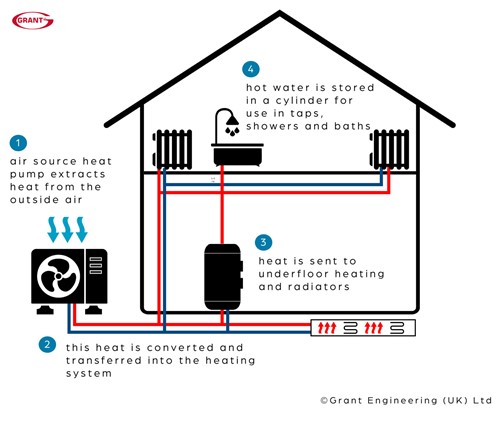
- Air-Water Heat Pump: This type of heat pump uses outdoor air as the source of heat and transfers it to water, which is then distributed throughout the building. Air-water heat pumps are commonly used in areas with mild winters and cool summers.
- Earth-Water Heat Pump: This type of heat pump uses the natural heat from the earth to warm or cool buildings. It’s a more expensive option but can be more efficient than other types, especially in areas with cold winters. Earth-water heat pumps are ideal for homes with access to underground water sources.
- Water-Water Heat Pump: This type of heat pump uses groundwater as the source of heat and is commonly used in areas with abundant water resources. Water-water heat pumps can be an effective option for homes located near natural water sources.
Choosing the Right Type of Heat Pump: A Step-by-Step Guide
When selecting a heat pump, it’s essential to consider your specific needs. Here are some factors to take into account:
- Climate: Consider the local climate and temperature fluctuations when choosing a type of heat pump.
- Building Size: The larger the building, the higher the power output required.
- Insulation Level: Well-insulated buildings require less energy for heating and cooling.
- Budget: Determine your budget and choose a heat pump that fits within it.
Benefits of Heat Pumps: Why Choose a Heat Pump?
Heat pumps offer several benefits over traditional heating systems, including:
- Energy Efficiency: Heat pumps are highly efficient, using up to 4 units of energy to produce 1 unit of heat.
- Cost Savings: Heat pumps can save you money on your energy bills by reducing the amount of energy needed for heating and cooling.
- Environmentally Friendly: Heat pumps produce less greenhouse gas emissions than traditional heating systems.
Choosing the Right Power Output: A Guide
Once you’ve selected the type of heat pump that suits your needs, it’s time to consider the power output. The power output will depend on various factors, including:
- Building Size: The larger the building, the higher the power output required.
- Insulation Level: Well-insulated buildings require less energy for heating and cooling.
- Temperature Requirements: Consider the temperature requirements of your building when selecting a heat pump.
COP and SCOP: Understanding the Ratings
When selecting a heat pump, it’s essential to understand two key ratings: COP (Coefficient of Performance) and SCOP (Seasonal Coefficient of Performance). These ratings measure the efficiency of the heat pump in terms of energy usage.
- COP: Measures the ratio of energy output to energy input. A higher COP rating indicates a more efficient heat pump.
- SCOP: Takes into account the seasonal variations in temperature and humidity, providing a more accurate estimate of the heat pump’s performance.
Costs and Installation: What to Expect
Finally, consider the costs associated with installing and maintaining your heat pump. While some types may be more expensive to install, they can offer long-term savings on energy bills.
- Installation Costs: The cost of installation will vary depending on the type of heat pump and the complexity of the installation.
- Maintenance Costs: Regular maintenance is crucial for optimal performance and longevity of your heat pump. Schedule regular check-ups with a qualified technician to ensure your system runs smoothly.
Common Mistakes to Avoid When Choosing a Heat Pump
Here are some common mistakes to avoid when choosing a heat pump:
- Choosing the wrong type of heat pump: Ensure you select a heat pump that suits your specific needs and climate.
- Underestimating installation costs: Factor in the cost of installation and maintenance when selecting a heat pump.
- Not considering COP and SCOP ratings: Understand the importance of these ratings to ensure you choose an efficient heat pump.
Conclusion
Choosing the right heat pump requires careful consideration of various factors, including type, power output, COP, SCOP, costs, and installation. By understanding these key elements, you can make an informed decision that suits your specific needs and budget.
FAQs: Frequently Asked Questions About Heat Pumps
- What is a heat pump?
A heat pump is a device that uses energy from the outside air or ground to provide heating and cooling for buildings. - Which type of heat pump is best suited for my building?
The best type of heat pump for your building will depend on factors such as size, insulation level, and climate. - How do I choose the right power output for my heat pump?
Consider the building size, insulation level, and temperature requirements when selecting the appropriate power output for your heat pump. - What is COP and how does it affect the performance of my heat pump?
COP measures the ratio of energy output to energy input, with higher ratings indicating more efficient heat pumps. - What is SCOP and why is it important?
SCOP takes into account seasonal variations in temperature and humidity, providing a more accurate estimate of a heat pump’s performance. - Can I install a heat pump myself or do I need professional assistance?
While some installations can be done by the homeowner, others may require professional assistance to ensure proper installation and safety. - How often should I maintain my heat pump?
Regular maintenance is crucial for optimal performance and longevity of your heat pump. Schedule regular check-ups with a qualified technician. - Can I use a heat pump in areas with extreme temperatures?
While some heat pumps can operate effectively in cold temperatures, others may not be suitable for extreme climates.


