
Optimizing Your Home for Energy Efficiency: A Guide to Saving on Heating
As the winter months approach, it’s time to face the reality of home heating. From now until spring, you’ll be relying on your heating system to keep your home warm and cozy. But have you considered the impact that this can have on your energy bills? By making a few simple changes to your home, you can significantly reduce your heating costs without sacrificing comfort or convenience.
Understanding the Importance of Energy Efficiency
When it comes to heating your home, there are several factors to consider. One of the most critical is insulation – or lack thereof. Proper insulation can make all the difference in keeping warm air in and cold air out. But what types of materials should you choose for optimal energy efficiency?
Natural Insulation Materials
For a truly eco-friendly approach, consider using natural insulation materials such as:
- Cane: A sustainable, eco-friendly option that’s also fire-resistant. Cane is made from the fibers of various plants and is often used in combination with other materials.
- Pine: Softwood that provides good thermal insulation and is often used in combination with other materials. Pine is a cost-effective option for insulation and can be sourced locally.
- Perlite Expansive: Expanded perlite, a lightweight material that traps warm air effectively. Perlite is made from volcanic rock and is highly resistant to moisture and pests.
- Cellulose Fibers: Plant-based fibers that provide excellent thermal insulation. Cellulose fibers are often used in combination with other materials and can be sourced sustainably.
- Sisal Fiber: A natural, eco-friendly option for insulation and soundproofing. Sisal fiber is made from the agave plant and provides good thermal insulation.
Innovative Window Solutions
When it comes to windows, older models can be a significant source of heat loss. But with newer technologies on the market, there’s never been a better time to upgrade your windows:
- Thermal Window Frames: Newer designs with advanced thermal insulation capabilities. Thermal window frames are designed to reduce heat transfer and minimize energy consumption.
- Double-Glazed Windows: A cost-effective solution for reducing heat transfer. Double-glazed windows feature two panes of glass separated by a gap, providing improved thermal insulation.
- Triple-Glazed Windows: The most energy-efficient option, offering even greater temperature retention. Triple-glazed windows feature three panes of glass and are ideal for homes with high energy bills.
Radiant Heating: A Revolutionary Approach
Have you ever considered using radiant heating to warm your home? This innovative approach involves installing heating elements in the floor or walls to distribute warmth more efficiently:
- Radiant Floor Heating: Warmth is distributed through heated floors, reducing heat loss and improving comfort. Radiant floor heating systems can be powered by a variety of sources, including electricity, gas, and oil.
- Radiant Wall Heating: A cost-effective solution for warming specific areas of your home. Radiant wall heating involves installing heating elements in the walls to provide warmth and comfort.
Tips and Tricks for Saving on Your Energy Bill
While upgrading your insulation or installing radiant heating may seem like a significant investment, there are several simple steps you can take to save even more:
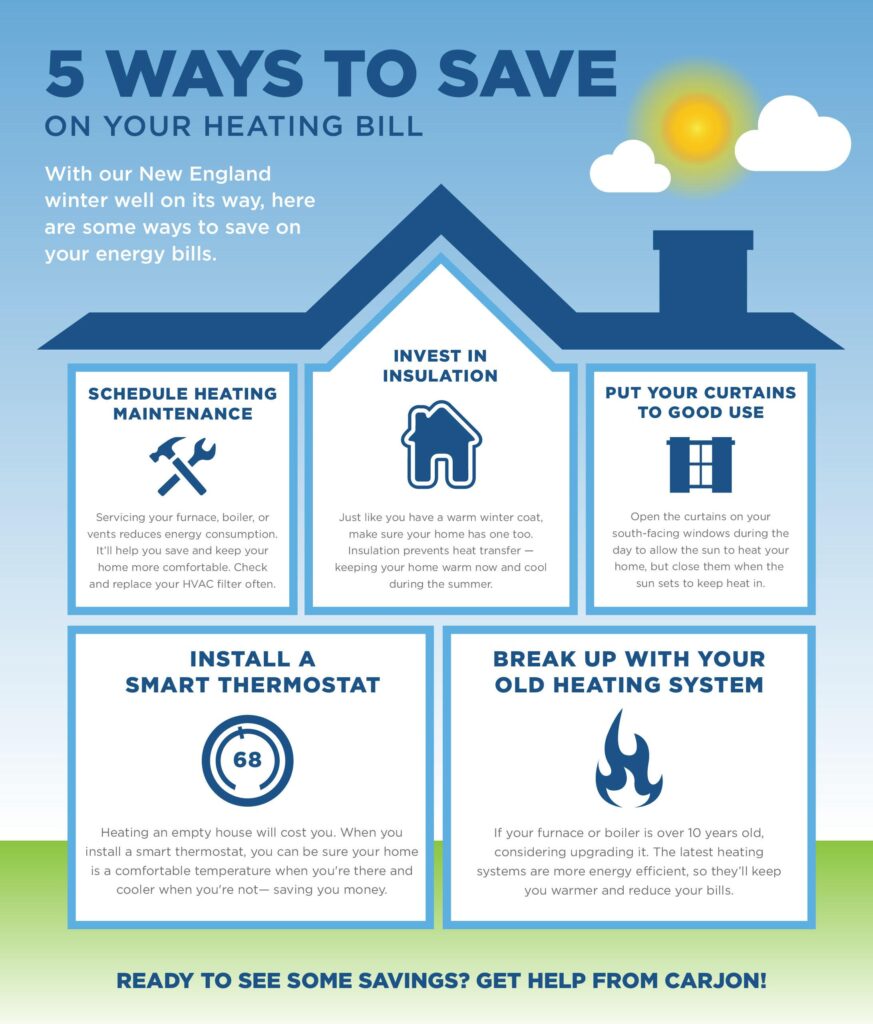
- Set the Temperature Wisely: Lowering your thermostat by just one degree can make a big difference in energy consumption. Try setting the temperature to 68°F (20°C) when you’re home and up to 55°F (13°C) when you’re away.
- Keep those windows closed when it’s cold outside to keep warmth from escaping. Use window locks or weatherstripping to seal any gaps between windows and walls.
- Use Curtains or Blinds: Block cold drafts and retain heat with curtains or blinds. Choose thermal curtains or blackout shades for maximum energy efficiency.
Additional Strategies for Energy Efficiency
In addition to upgrading your insulation, installing radiant heating, and using smart thermostats, there are several other strategies you can use to optimize your home’s energy efficiency:
- Weatherize Your Home: Seal any gaps or cracks in your home’s exterior to prevent cold air from entering. Use caulk or spray foam to seal gaps around windows, doors, and electrical outlets.
- Use Energy-Efficient Appliances: Upgrade to energy-efficient appliances, including refrigerators, dishwashers, and washing machines. Look for the ENERGY STAR label when shopping for new appliances.
- Conduct an Energy Audit: Hire a professional to conduct an energy audit of your home and identify areas where energy is being wasted.
Conclusion
With these simple tips and innovative solutions, you’ll be well on your way to creating an energy-efficient home that saves you money without sacrificing comfort. Whether you’re looking to upgrade your insulation or explore new heating options, there’s never been a better time to take action. By making a few simple changes to your home, you can reduce your heating costs and enjoy a warmer, cozier living space all year round.


