
Introduction
As one of the most recognizable and beloved crustaceans, crabs have been a part of human culture for centuries. From their unique characteristics to their various types and uses in cuisine, crabs are fascinating creatures that continue to captivate our imagination.
Crabs have long fascinated humans, from ancient civilizations to modern-day scientists. Their distinctive appearance, impressive strength, and varied habitats have contributed to their widespread appeal. Whether you’re a seasoned foodie, an avid reader, or simply someone who appreciates the natural world, crabs have something to offer everyone. In this comprehensive article, we will delve into the fascinating world of crabs, exploring their characteristics, types, culinary uses, and more.
Characteristics
Belonging to the scientific order Brachyura, crabs are predominantly aquatic animals characterized by their robust carapace and two claw-like appendages situated near their anterior legs. These intelligent creatures can thrive in both salty and freshwater environments. With over 43 superfamilies of crabs existing worldwide, each with distinct forms, sizes, and habits, it’s essential to delve into the specifics of these fascinating animals.
Physical Description
A significant portion of a crab’s body is comprised of its carapace, which not only provides protection but also contributes to the overall aesthetic appeal. The carapace seamlessly integrates with the rest of the organism, creating an harmonious appearance. Upon closer inspection, the semi-hidden addominal organs and prominent claw-like anterior appendages become apparent.
The shape and structure of a crab’s body are designed for optimal efficiency in capturing prey and avoiding predators. Their streamlined bodies allow them to move quickly through the water, while their powerful claws enable them to snap shut with incredible force. The intricate patterns on their shells also serve as camouflage, helping them blend in with their surroundings.
Types of Crabs
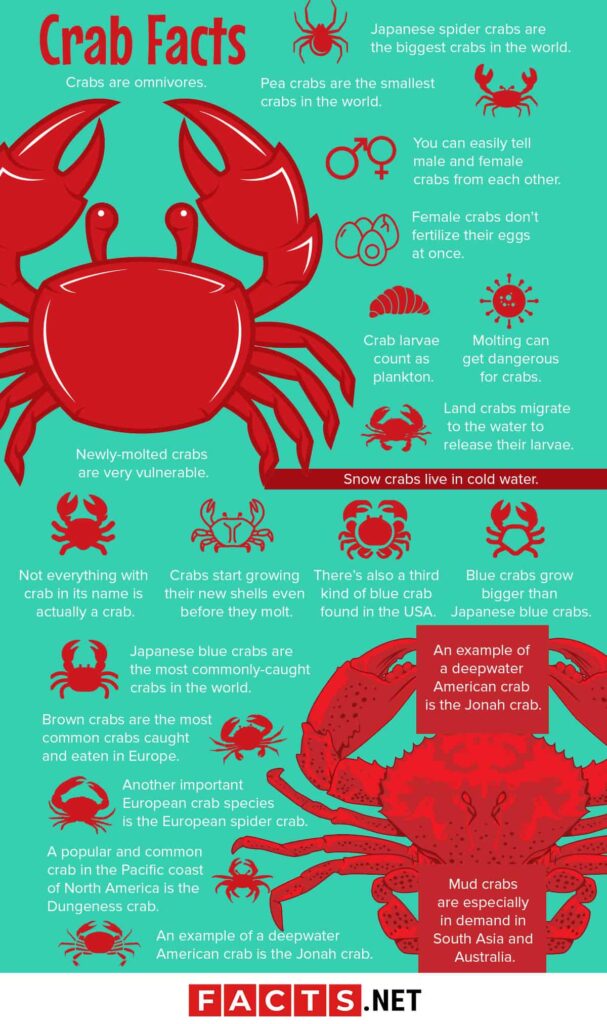
Crabs are categorized into various types, each with distinct characteristics. Many species are nocturnal due to their smaller size, making them less susceptible to predators during nighttime hours. The diverse feeding habits of crabs include both animal-based diets, plant consumption, and even the ingestion of carrion. While some species are considered delicacies in certain cultures, others may be less desirable.
Some popular types of crabs include:
- Blue crab (Callinectes sapidus): native to the Gulf of Mexico and Southeastern United States
- Dungeness crab (Metacarcinus magister): found along the Pacific coast of North America
- Snow crab (Chionoecetes opilio): a commercially important species in the North Atlantic Ocean
- King crab (Paralithodes camtschaticus): a highly prized species in Alaskan and Russian fisheries
Astrology and Symbolism
Crabs hold a significant place in various disciplines beyond their culinary value. In heraldry, they often represent gravity and seriousness, typically depicted in black with their head held high. In astrology, the crab is associated with the zodiac sign Cancer, symbolizing emotional depth and sensitivity. Interestingly, the phrase “take a crab” in English means to make a serious mistake.
In ancient times, crabs were also revered for their perceived spiritual significance. The Greek myth of Cratylus tells the story of a crab that helped Heracles (Hercules) by distracting a giant scorpion during his tenth labor.
Literary and Cultural Significance
Crabs have also appeared in ancient literature, such as Homer’s epic poem, Batracomiomachia (The War of the Frogs and Mice), where they play a crucial role in turning the tide of battle. In Giacomo Leopardi’s version of the poem, crabs represent the Austrians.
In modern times, crabs have been featured in various forms of media, including literature, film, and television. From the iconic crab character in Dr. Seuss’s “The Cat in the Hat” to the memorable crustacean villains in movies like “The Little Mermaid,” crabs continue to captivate audiences worldwide.
Biology and Reproduction
Before exploring their culinary uses, let’s uncover some interesting facts about crab biology. These skilled hunters are masters of disguise and often work together to achieve common goals. Female crabs lay eggs under their tail, which then drift with currents until they hatch into tiny larvae that take nine months to reach 3mm in size.
Crabs have a unique life cycle, with different stages of development corresponding to various environmental conditions. The larval stage is crucial for the survival of crab species, as it allows them to adapt to changing water temperatures and chemistry.
Diet and Nutrition
As omnivores or herbivores, depending on the species, crabs consume a wide variety of food sources, including carrion, larvae, worms, plants, and more. The tropical regions are home to the most diverse and voracious crabs.
Crab diets play an essential role in maintaining their ecological balance. As both predators and prey, crabs regulate populations of other marine animals, helping to maintain the health and stability of aquatic ecosystems.
Culinary Uses
Crabs have become an integral part of various cuisines worldwide. In Italy, Portugal, and Spain, they are often served in traditional dishes like zuppa cataplana or as tapas with grilled meat. Crabs can be incorporated into salads, soups, pasta dishes, polpette, and even tartine.
Some popular crab-based dishes include:
- Dungeness crab bisque: a creamy soup made from the shellfish
- Snow crab legs: steamed and served with butter or lemon
- Blue crab cakes: pan-fried patties filled with chunks of blue crab meat
- King crab salad: mixed greens topped with chunks of king crab, cherry tomatoes, and cucumber
Conservation Status
Unfortunately, many crab species are facing threats to their survival due to habitat destruction, overfishing, and climate change. The International Union for Conservation of Nature (IUCN) has listed several crab species as vulnerable or endangered.
As we continue to explore the fascinating world of crabs, it’s essential to acknowledge the importance of conservation efforts. By protecting these incredible creatures and their habitats, we can ensure the long-term sustainability of marine ecosystems and the many benefits they provide.
Conclusion
Crabs are intriguing creatures that have captured our imagination for centuries. From their unique physical characteristics to their various types and culinary uses, crabs continue to fascinate us. Whether you’re a seasoned foodie or simply curious about these aquatic animals, there’s no denying the allure of the crab.
As we conclude this comprehensive guide to the world of crabs, we hope that readers have gained a deeper appreciation for these remarkable creatures. By exploring their biology, types, and culinary uses, we’ve discovered just how fascinating and complex the world of crabs truly is.
Frequently Asked Questions
-
What is the scientific name of the crab?
The scientific order for crabs is Brachyura. -
How many superfamilies of crabs exist worldwide?
There are over 43 superfamilies of crabs. -
Are all crabs good to eat?
No, not all crabs are considered palatable or safe for consumption. -
Why do some people refer to the crab as a symbol of Cancer in astrology?
The crab is associated with Cancer due to its ability to withdraw into its shell for protection. -
What is the significance of the phrase “take a crab” in English?
The phrase “take a crab” means to make a serious mistake or error. -
Can I eat all parts of a crab, including the shell?
No, it’s not safe to consume the shell, as it can be hard on the digestive system. -
How do female crabs lay eggs?
Female crabs lay eggs under their tail, which then drift with currents until they hatch. -
Can I keep a crab as a pet?
Yes, many species of crabs are suitable for keeping in captivity.


