
Introduction
Who doesn’t love saving a few euros? While doing laundry might not be the most exciting task, there are some simple tips that can help you save money and reduce your environmental impact. In this article, we’ll explore the best ways to do laundry without breaking the bank or harming the planet.
Why Saving Money with Laundry Matters
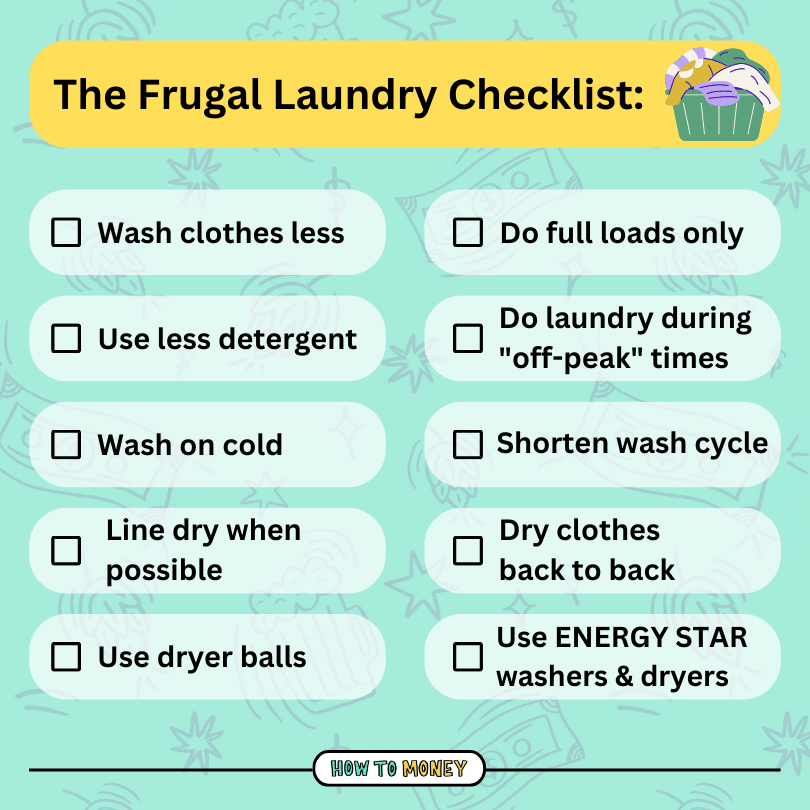
Laundry is one of those household expenses that often takes a backseat to more pressing priorities. However, it’s essential to remember that doing laundry has an impact on the environment. The water, detergent, and electricity used for laundry can contribute to greenhouse gas emissions and waste. By implementing some simple tips, you can reduce your energy consumption and save money.
Tip 1: Avoid Pre-washing
Before we dive into the nitty-gritty of saving money with laundry, let’s talk about pre-washing. While it might seem like a good idea to pre-wash your clothes before putting them in the washing machine, it’s actually unnecessary for most cases. If you’re not dealing with extremely dirty clothing, pre-washing can be a waste of water and energy.
Tip 2: Optimize Your Load Capacity
Overloading your washing machine basket can lead to poor results and reduce the lifespan of your appliance. A half-empty basket is also a waste of resources. Make sure to leave enough space for clothes to move around during the wash cycle, and avoid overloading it whenever possible.
Tip 3: Reduce Energy Consumption
The washing machine is one of the most energy-consuming household appliances. By using it efficiently, you can save money on your utility bills. Here are some tips:
- Use low-temperature settings: Doing laundry at lower temperatures saves a significant amount of energy. Even at 60°C, you get good hygiene results.
- Choose the right cycle: If you’re washing clothes that can withstand high temperatures, consider using a lower temperature setting to save energy.
- Don’t over-dry your clothes: Removing excess moisture from your clothes after washing reduces the amount of energy needed for drying.
Tip 4: Wash Clothing at the Right Temperature
Not all clothing requires high-temperature wash cycles. In fact, some fabrics can withstand lower temperatures without compromising hygiene. Here are some guidelines:
- Cotton t-shirts and underwear: These items can be washed safely at 40°C if they’re not extremely dirty.
- Hand towels: Washing these items at 40°C helps preserve their absorbency.
Tip 5: Use Your Washing Machine Wisely
While it’s tempting to use the washing machine as much as possible, there are some instances where it might not be the most energy-efficient option. Here are a few scenarios:
- If you have a lot of delicate items: If you’re washing clothes that require gentle cycles or hand-washing, consider air-drying them instead.
- If you live in an area with low humidity: In dry climates, it’s more efficient to remove excess moisture from your clothes after washing and hang them up to air-dry.
Tip 6: Choose the Right Detergent
The detergent you use can have a significant impact on your energy consumption. Here are some tips:
- Opt for eco-friendly detergents: These products are designed to be more environmentally friendly and use fewer resources.
- Use low-dose detergents: Reducing the amount of detergent used can help minimize waste and lower energy consumption.
Tip 7: Soak or Spot Clean Heavily Soiled Items
If you’re dealing with heavily soiled items, consider soaking them before washing or using eco-friendly cleaning products for spot cleaning. This approach reduces the amount of water and energy needed for laundry.
By implementing these simple tips, you can save money on your utility bills while also reducing your environmental impact. Remember to choose the right detergent, use low-temperature settings, and optimize your load capacity to make the most out of your washing machine.
Conclusion
Saving money with laundry is easier than you think. By avoiding pre-washing, optimizing your load capacity, reducing energy consumption, washing clothing at the right temperature, using your washing machine wisely, choosing the right detergent, soaking or spot cleaning heavily soiled items, and following these simple tips, you can reduce your energy consumption while also saving money.
Frequently Asked Questions
Q: How often should I do laundry?
A: The frequency of doing laundry depends on how often you use clothes. If you wear a lot of clothes, you might need to do laundry more frequently.
Q: Can I save money by washing clothes in cold water?
A: Yes, washing clothes in cold water can help reduce energy consumption and save money on your utility bills.
Q: How much energy does the average washing machine consume per cycle?
A: The amount of energy consumed by a washing machine varies depending on its model, size, and type. However, most modern washing machines use around 0.2 kWh of electricity per cycle.
Q: Can I save money by air-drying my clothes instead of using the dryer?
A: Yes, air-drying your clothes can help reduce energy consumption and save money on your utility bills.
Q: How often should I clean my washing machine?
A: It’s recommended to clean your washing machine every 1-2 months to maintain its efficiency and prevent bad odors.
Q: Can I use any detergent with my washing machine?
A: No, not all detergents are suitable for washing machines. Make sure to choose a detergent that is designed specifically for washing machines and follows the recommended dosage guidelines.
Q: How can I reduce waste when doing laundry?
A: You can reduce waste by using eco-friendly detergents, choosing low-temperature settings, and avoiding over-drying your clothes.
Q: Can I save money by washing my clothes in bulk?
A: Yes, washing your clothes in bulk can help reduce energy consumption and save money on your utility bills. However, make sure to leave enough space for each item in the washing machine to ensure proper washing.
Tips for Specialized Items
Tip 8: Washing Delicates
When washing delicate items such as lingerie or silk, use cold water and a gentle cycle setting. This helps prevent damage to these sensitive fabrics.
Tip 9: Washing Towels
Washing towels regularly can help keep them clean and hygienic. However, over-washing can cause them to lose their absorbency. Consider washing your towels in hot water every few weeks to maintain their effectiveness.
Tip 10: Drying Clothes Efficiently
To dry clothes efficiently, remove excess moisture from your clothes after washing by wringing or twisting them out. Then, hang up the clothes to air-dry. Avoid over-drying your clothes as this can cause wrinkles and damage to fabrics.
Additional Tips for Saving Energy
Tip 11: Using Energy-Efficient Washing Machines
If you’re in the market for a new washing machine, consider purchasing an energy-efficient model. These machines use advanced technology to reduce energy consumption while maintaining effective cleaning results.
Tip 12: Utilizing Smart Home Devices
Smart home devices can help monitor and control your laundry process. Some devices allow you to schedule wash cycles, track energy usage, and even receive alerts when the washing machine is finished.
By implementing these additional tips for specialized items and saving energy, you can further reduce your environmental impact and save money on your utility bills.
Conclusion
Saving money with laundry is easier than you think. By avoiding pre-washing, optimizing your load capacity, reducing energy consumption, washing clothing at the right temperature, using your washing machine wisely, choosing the right detergent, soaking or spot cleaning heavily soiled items, following these simple tips, and taking additional steps to save energy, you can reduce your energy consumption while also saving money.
Conclusion (continued)
Saving money with laundry is a win-win situation for both you and the environment. By implementing these easy-to-follow tips, you can enjoy clean clothes without breaking the bank or harming the planet.
In conclusion, we hope this guide has provided you with all the necessary information to save money on your utility bills while also reducing your environmental impact.


