
Introduction
The Chinese fan palm, also known as the Chinese fan or Chamaerops fortunei, is a popular ornamental plant in Italy. With its unique fan-shaped leaves and tolerance for cold temperatures, it’s no wonder why this species has gained popularity among gardeners. In this article, we’ll delve into the characteristics, cultivation, care, and types of palm trees that are well-suited for Italian gardens.
History and Origin
The Chinese fan palm is native to southern China and has been popularly known as Palma della Cina, Palma di Fortune, or even Palma Chusan. It belongs to the Arecaceae family and is commonly cultivated in Italy as an ornamental plant.
Characteristics
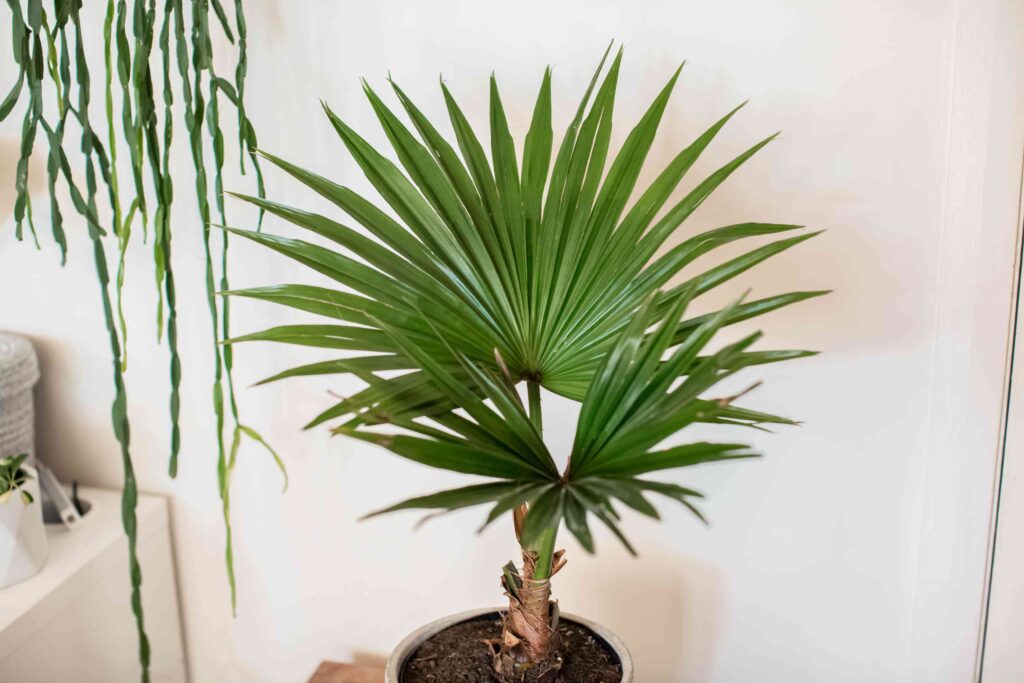
The Chinese fan palm boasts a unique, unbranched trunk that can reach up to 10 meters (33 feet) in height. The leaves are large, with a diameter of 80-90 cm, and have a distinctive shape resembling a fan. The leaf surface is green, without thorns, unlike some other palm species.
The Chinese fan palm is dioecious, meaning it has separate male and female plants. Male flowers produce yellow pollen, while female flowers produce small, greenish-yellow inflorescences in May. The fruit is a drupe that contains a single seed, which attracts birds and provides a source of nutrition for them.
Cultivation
The Chinese fan palm is one of the most resistant palm species to cold temperatures, tolerating temperatures as low as -15°C (5°F). It can thrive in both shaded and sunlit areas and adapts well to various types of soil. However, it’s not suitable for acidic or waterlogged soils.
In addition to its hardiness, the Chinese fan palm is relatively low-maintenance. During the first year after planting, it requires regular watering only. After that, it becomes drought-tolerant and can go without regular watering during non-summer months.
Care and Maintenance
To ensure optimal growth and health, follow these care tips:
- Water regularly, but avoid overwatering
- Fertilize sparingly, especially during the growing season
- Prune long stems to control height and promote healthy growth
- Regularly inspect for pests and diseases
Propagation
The Chinese fan palm can be propagated through stem cuttings. Cut a section of the trunk (about 30 cm long) from the mother plant, making sure each node is included in the cutting. Remove lower leaves, dip the cut end in rooting hormone powder or liquid, and plant it in well-draining soil.
Pest and Disease Management
Regularly inspect your Chinese fan palm for signs of pests or diseases:
- Pests: Check for spider mites, mealybugs, scale insects, and caterpillars
- Diseases: Look out for fungal infections like crown rot, leaf spot, and root rot
To manage pests and diseases:
- Isolate infected plants to prevent further infestation
- Remove infested leaves or stems to prevent the spread of disease
- Apply insecticides as directed on the product label
- Fungicides, such as copper-based products, can be applied to treat fungal infections
Types of Palm Trees Suitable for Italian Gardens
While the Chinese fan palm is a popular choice, there are other palm species well-suited for Italian gardens. These include:
- Palma di San Pietro (Chamaerops humilis): Similar to the Chinese fan palm but with spiny leaves
- Palma della California (Washingtonia filifera): Also known as the Palma Washington, this species is native to California and can thrive in Italian gardens
Choosing the Right Location
When selecting a location for your Chinese fan palm or other palm trees, consider factors such as:
- Sunlight: Most palms require full sun to partial shade
- Soil: Well-draining soil with a pH between 6.0 and 7.0 is ideal
- Wind protection: Palms can be sensitive to strong winds, which may cause leaf damage
Conclusion
The Chinese fan palm is a versatile, low-maintenance palm species that thrives in various conditions. By understanding its unique characteristics and care requirements, gardeners can successfully cultivate and enjoy this beautiful plant in their Italian gardens.
Frequently Asked Questions (FAQs)
Q: How fast does the Chinese fan palm grow?
A: The Chinese fan palm grows relatively slowly, reaching maturity at around 10-15 years.
Q: Can the Chinese fan palm tolerate salt spray?
A: No, the Chinese fan palm is not tolerant of salt spray and should be planted in areas with minimal exposure to coastal winds.
Q: Are there any specific fertilization requirements for the Chinese fan palm?
A: Feed your Chinese fan palm with a balanced fertilizer during the growing season (spring-fall) at half the recommended strength.
Q: Can I grow multiple male and female Chinese fan palms together?
A: Yes, but ensure that each plant is located in its own pot to prevent self-pollination.


