
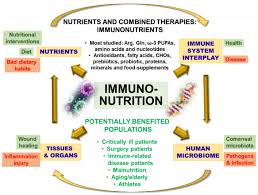
Understanding Nutrition and Immunology: Unlocking the Power of Immune Nutrition
Introduction to Immune Nutrition
As we navigate the complexities of our daily lives, it’s easy to overlook the significant role that nutrition plays in maintaining a strong immune system. However, this simple yet powerful concept deserves attention, as a well-balanced diet can have a profound impact on our overall health and wellbeing.
The Connection Between Nutrition and Immunology
Nutrition and immunology may seem like two distinct fields, but they are intricately linked. A healthy diet provides the necessary building blocks for our immune system to function optimally, while a poor diet can weaken our defenses and leave us vulnerable to illness. In fact, studies have shown that food plays a significant role in modulating the immune system’s function.
What is Immune Nutrition?
Immune nutrition refers to the integrated administration of specific nutrients with the goal of modulating inflammatory responses and increasing immune responses in each individual. This approach involves using nutritional principles to decrease inflammation or stimulate the immune system to act. There are various methods for applying this approach, including orally, enterally, or parenterally.
Immune Nutrition in Surgery
For patients undergoing surgery, malnutrition is a common concern. In fact, more than a third of patients may suffer from malnutrition, which increases the risk of postoperative complications. A poor diet over time can alter immune defenses and intestinal barrier functions, making it even more challenging for our bodies to cope with surgical stress.
Pharmacoconutrition: The Power of Immune-Nutrients
To address this issue, healthcare professionals may recommend enriched diets that incorporate immune-nutrients called pharma-coconutrients. These molecules have been shown to have immunomodulatory and anti-inflammatory actions, making them an effective way to support the immune system during times of stress.
The Science Behind Immune-Nutrients
Some of the most commonly used immune-nutrients include:
- L-arginine: stimulates hormone secretion
- L-glutamine: provides energy for enterocytes and supports wound healing
- Omega-3 fatty acids: anti-inflammatory properties and helps lower blood pressure
- Taurine: regulates osmolotic balance and maintains normal platelet, red blood cell, granulocyte, and lymphocyte concentrations
- Nucleotides: essential for maintaining healthy immune function
The Benefits of Enterally Administering Immune Nutrition
When enterally administered through a nasal-gastric tube, immune nutrition can be effective in preventing acute inflammation complications. This method helps to prevent villi atrophy and mucosal atrophy, increase the intestinal immune barrier, and reduce bacterial translocation.
Avoiding Postoperative Complications: The Importance of Proper Nutrition
In cases where prolonged absence of adequate nutrition has affected the immune system, oral administration can be used to avoid or mitigate postoperative effects. This includes weight loss, muscle mass reduction, compromised immune function, delayed healing, and increased risk of infections.
Unlocking the Power of Immune Nutrition: Books and Resources
For those looking to deepen their knowledge on this topic, there are several books that offer simple and intuitive principles for preventing malnutrition risks. Some recommended resources include:
- “Eat to Prevent”
- Online articles and research studies
By incorporating immune nutrition into our daily lives, we can unlock the power of a strong immune system and take control of our overall health and wellbeing.
Frequently Asked Questions (FAQs)
- What is the primary function of immune nutrition?
- Immune nutrition refers to the integrated administration of specific nutrients with the goal of modulating inflammatory responses and increasing immune responses in each individual.
- How can immune nutrition help during surgery?
- Immune nutrition can help support the immune system during times of stress, reducing the risk of postoperative complications such as malnutrition and compromised immune function.
- What are some common immune-nutrients used in pharma-coconutrition?
- Some commonly used immune-nutrients include L-arginine, L-glutamine, omega-3 fatty acids, taurine, nucleotides, tocopherols (vitamin E), inulin, and fruit-oligosaccharides (FOS).
- Can enterally administering immune nutrition prevent acute inflammation complications?
- Yes, enterally administering immune nutrition can help prevent villi atrophy and mucosal atrophy, increase the intestinal immune barrier, and reduce bacterial translocation.
- What are some common postoperative effects that can be mitigated with proper nutrition?
- Some common postoperative effects that can be mitigated with proper nutrition include weight loss, muscle mass reduction, compromised immune function, delayed healing, and increased risk of infections.
- Are there any specific books or resources recommended for learning more about immune nutrition?
- Some recommended resources include “Eat to Prevent” and online articles and research studies.


