
Introduction
When it comes to the papilloma virus, many of us have been infected without even realizing it. But what exactly is this virus and how can we protect ourselves? In this article, we’ll delve into the world of HPV and explore its causes, symptoms, diagnosis, treatment options, and vaccination.
What is Papilloma Virus?
The papilloma virus, also known as human papillomavirus (HPV), is a highly contagious agent that can cause infections in both men and women. There are over 120 types of HPV, but only a few are considered high-risk for causing cancer.
How Does Papilloma Virus Spread?
HPV is primarily spread through skin-to-skin contact, including vaginal, anal, or oral sex. It’s also possible to contract the virus through other bodily fluids, such as saliva or blood. Using public restrooms in poor hygiene conditions can increase the risk of transmission.
Causes of Papilloma Virus
There are several ways to contract HPV:
- Vaginal and anal sex: This is the most common mode of transmission.
- Oral sex: The virus can also be transmitted through oral sex.
- Cutaneous contact: Touching someone who has an active lesion or wound can transfer the virus.
- Sharing personal items: Sharing towels, razors, or other personal items with someone who has HPV can increase the risk of transmission.
Symptoms of Papilloma Virus
In most cases, HPV is asymptomatic, meaning it doesn’t cause any noticeable symptoms. However, some people may experience:
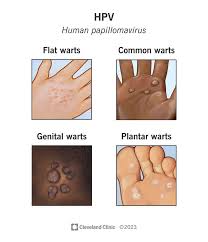
- Genital warts: Small, flesh-colored growths on the genitals.
- Papules and plaques: Raised bumps or lesions on the skin.
Diagnosing Papilloma Virus
To diagnose HPV, your doctor will typically perform a physical exam, take a medical history, and may order laboratory tests such as:
- HPV test: A blood test that detects the presence of HPV antibodies.
- Colposcopy: A visual examination of the cervix using a special instrument.
Treatments for Papilloma Virus
Since most cases of HPV are asymptomatic, treatment is usually not necessary. However, if symptoms do occur or if you’re diagnosed with high-risk HPV types, your doctor may recommend:
- Topical treatments: Creams or gels applied directly to the affected area.
- Surgical removal: Removal of genital warts or lesions.
Preventing Papilloma Virus
While there’s no guaranteed way to prevent HPV, you can reduce your risk by:
- Using condoms: Condoms can help prevent transmission during vaginal and anal sex.
- Practicing good hygiene: Avoid sharing personal items and maintain good hygiene during sex.
- Getting vaccinated: The HPV vaccine is available for both men and women.
HPV Vaccination: Benefits and Risks
The HPV vaccine has been shown to be highly effective in preventing certain types of cancer, including cervical, anal, and throat cancers. However, it’s essential to note that:
- Vaccine efficacy: The vaccine is most effective when administered before exposure to the virus.
- Side effects: Common side effects include redness, swelling, and pain at the injection site.
Conclusion
In conclusion, understanding papilloma virus is crucial for prevention and early detection. By knowing your risk factors, symptoms, and treatment options, you can take control of your health and reduce the risk of complications associated with HPV.
Frequently Asked Questions (FAQs)
Q: How common is papilloma virus?
A: It’s estimated that 75% of women will contract HPV at some point in their lives.
Q: Is papilloma virus contagious?
A: Yes, HPV is highly contagious and can be spread through skin-to-skin contact.
Q: Can you get papilloma virus from a partner who has no symptoms?
A: Yes, even if your partner doesn’t show any symptoms, they may still be infected with high-risk HPV types.
Q: How do I know if I have papilloma virus?
A: If you’re experiencing genital warts or other symptoms, consult a doctor for proper diagnosis and treatment.
Q: Can the HPV vaccine protect against all types of HPV?
A: No, the HPV vaccine is only effective against certain high-risk types of the virus.
Additional Information
What are the different types of papilloma virus?
There are over 120 types of HPV, but only a few are considered high-risk for causing cancer. The Centers for Disease Control and Prevention (CDC) have identified 14 high-risk types of HPV as follows:
- HPV 16: One of the most common high-risk types.
- HPV 18: Also a high-risk type, often associated with cervical cancer.
- HPV 31: Another high-risk type, commonly found in genital warts.
- HPV 33: A high-risk type that can cause cervical and anal cancers.
What are the risk factors for papilloma virus?
Several factors increase your risk of contracting HPV:
- Young age: People under the age of 25 are at higher risk.
- Multiple sexual partners: Having multiple sexual partners increases your risk.
- History of cervical or genital warts: If you’ve had these conditions in the past, you’re more likely to contract HPV again.
Can papilloma virus be transmitted through breast milk?
There is no conclusive evidence that HPV can be transmitted through breast milk. However, if you have a high-risk type of HPV and are breastfeeding, it’s recommended that you consult your doctor for personalized advice.
What are the long-term effects of papilloma virus?
While most cases of HPV are asymptomatic, some people may experience:
- Cervical cancer: The most common type of cancer associated with HPV.
- Anal cancer: A rare but potentially life-threatening condition.
- Throat cancers: HPV is also linked to certain types of throat cancer.
How can I protect myself from papilloma virus?
To reduce your risk, follow these tips:
- Practice safe sex: Use condoms and dental dams during vaginal, anal, or oral sex.
- Get vaccinated: The HPV vaccine is available for both men and women.
- Maintain good hygiene: Avoid sharing personal items and keep your genital area clean.
By understanding the causes, symptoms, diagnosis, treatment options, and vaccination of papilloma virus, you can take control of your health and reduce the risk of complications associated with this common virus.


