
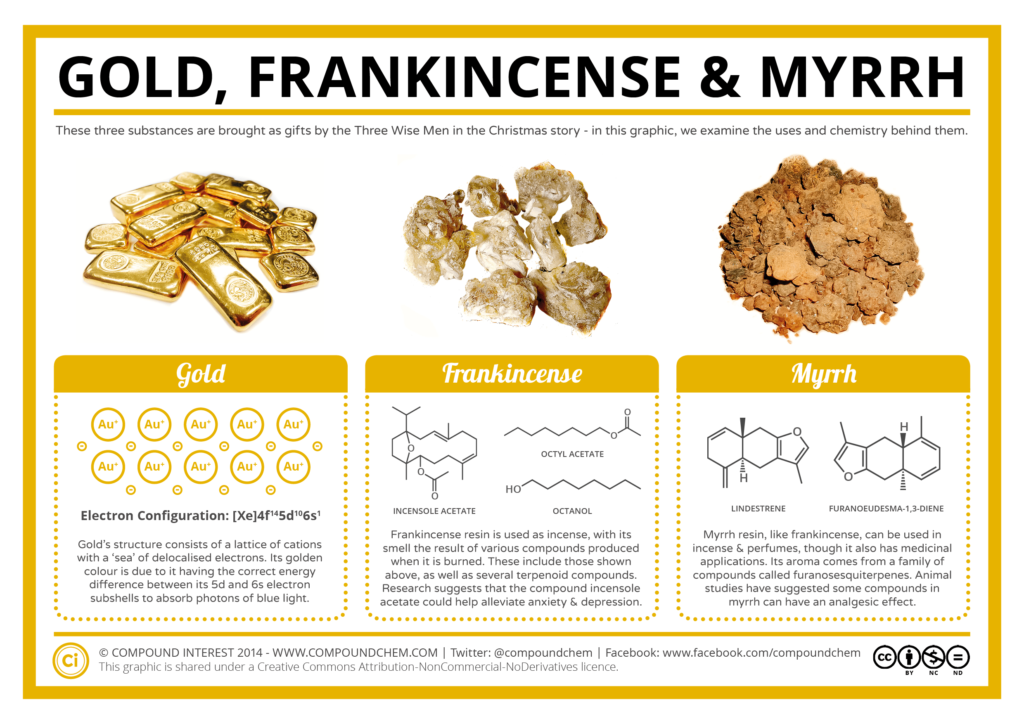
Myrrh is a plant-based compound extracted from the Commiphora genus tree, which has been used for centuries as a natural remedy due to its therapeutic properties. But what exactly is myrrh, and how does it benefit us? In this article, we will delve into the history of myrrh, its therapeutic properties, and various uses of myrrh essential oil.
What is Myrrh?
Myrrh is an aromatic gum that’s harvested from the branches of the Commiphora tree through a process known as resin extraction. This process involves stimulating the plant’s natural production of resin, which then flows out in the form of yellow drops. The resulting resin can be altered to create various forms, including powder.
A Brief History of Myrrh
Myrrh has been used for thousands of years, and its history is deeply intertwined with that of incense. Both myrrh and incense originated in ancient Egypt, where they were used as ingredients for embalming and other rituals. The Bible also mentions myrrh oil as a holy oil for anointing.
One of the most significant events in the history of myrrh is the visit of the Magi to Jesus Christ, during which they brought gold, incense, and myrrh as gifts. Myrrh has since been associated with various symbols, including royalty (gold), divine nature (incense), and sacrifice.
Therapeutic Properties of Myrrh
Myrrh’s therapeutic properties are well-documented, making it a popular ingredient in pharmaceutical products. Its pronounced disinfectant properties make it an effective natural remedy for oral infections, as well as a good antiseptic and antimycotic agent against colds, candidiasis, gum disease, and other ailments.
Myrrh Essential Oil: A Natural Remedy
The distillation of myrrh yields an essential oil that’s considered a natural remedy for various physical problems. This essential oil is highly concentrated in active principles, making it potent but also potentially irritating to the skin. Therefore, it should always be diluted with a carrier oil before use.
Unlike other essential oils, myrrh has a distinct “resinous” consistency and is denser and harder to handle. If you’re new to aromatherapy, starting with simpler essential oils like basil or lemon may be a better idea.
Where to Buy Myrrh Essential Oil
Myrrh essential oil can be found in well-stocked pharmacies or online retailers like Amazon. With competitive prices and convenient shipping options, it’s easier than ever to get your hands on this natural remedy.
Conclusion: Unlocking the Potential of Myrrh
Myrrh is a remarkable plant-based compound with a rich history and diverse therapeutic properties. By understanding its uses, benefits, and potential interactions, we can unlock its full potential as a natural remedy.
Frequently Asked Questions
-
What are the different forms of myrrh?
- Myrrh resin
- Powdered myrrh
- Myrrh essential oil
-
How is myrrh extracted from the Commiphora tree?
- Stimulating the plant’s natural production of resin through a process known as resin extraction.
-
What are the therapeutic properties of myrrh?
- Disinfectant properties
- Antiseptic and antimycotic agent
- Natural remedy for oral infections, colds, candidiasis, gum disease, and other ailments
-
How should I use myrrh essential oil?
- Always dilute with a carrier oil before application
- Start with small amounts to test skin sensitivity
-
What are some potential interactions with medications or health conditions?
- Consult with a healthcare professional before using myrrh essential oil, especially if you have a medical condition or take medications.
-
How can I buy myrrh essential oil?
- Available in pharmacies and online retailers like Amazon
-
What are some alternative uses for myrrh?
- Embalming
- Anointing
- Natural remedy for various physical problems
-
Is myrrh safe to use during pregnancy or breastfeeding?
- Consult with a healthcare professional before using myrrh essential oil, especially if you’re pregnant or breastfeeding.
-
Can I grow my own Commiphora tree to harvest myrrh?
- Yes, but note that the process of harvesting resin can be labor-intensive and requires proper techniques to avoid harming the plant.
-
How long does it take for myrrh essential oil to become effective?
- Typically takes 15-30 minutes to start feeling its effects
-
Can I use myrrh essential oil on babies or children?
- Consult with a healthcare professional before using myrrh essential oil on infants, as their skin may be more sensitive.
-
What are some potential side effects of using myrrh essential oil?
- Skin irritation
- Allergic reactions
-
Can I use myrrh essential oil to treat specific health conditions?
- Consult with a healthcare professional before using myrrh essential oil for any medical condition.
-
How can I store myrrh essential oil?
- Keep away from direct sunlight and heat sources
- Store in a cool, dark place
-
Is myrrh a sustainable source of natural medicine?
- Yes, as it’s a plant-based compound that can be harvested in a way that promotes sustainability and environmental balance.
Additional Benefits of Myrrh
In addition to its therapeutic properties, myrrh has several other benefits, including:
- Antioxidant properties: Myrrh contains antioxidants that help protect the body from damage caused by free radicals.
- Anti-inflammatory properties: Myrrh has anti-inflammatory properties that can help reduce inflammation and alleviate pain.
- Immune system support: Myrrh may have immune-boosting effects, helping to prevent illness and disease.
Precautions and Contraindications
While myrrh is generally considered safe to use, there are some precautions and contraindications to be aware of:
- Allergic reactions: Some people may be allergic to myrrh, which can cause skin irritation, itching, or other allergic reactions.
- Pregnancy and breastfeeding: Myrrh essential oil should not be used during pregnancy or breastfeeding without consulting a healthcare professional.
- Medication interactions: Myrrh may interact with certain medications, such as blood thinners or diabetes medications.
Conclusion
Myrrh is a remarkable plant-based compound that has been used for centuries as a natural remedy. Its therapeutic properties make it an effective treatment for various physical problems, and its antioxidant and anti-inflammatory properties offer additional benefits. While there are some precautions and contraindications to be aware of, myrrh can be a safe and effective addition to your natural health regimen.
Tips for Using Myrrh Essential Oil
Here are some tips for using myrrh essential oil safely and effectively:
- Always dilute with a carrier oil before application.
- Start with small amounts to test skin sensitivity.
- Use high-quality, pure myrrh essential oil that is free of additives and chemicals.
- Consult with a healthcare professional before using myrrh essential oil, especially if you have a medical condition or take medications.
Myrrh Recipes
Here are some recipes for using myrrh essential oil:
- Myrrh and peppermint oil blend: Mix 5 drops of myrrh essential oil with 10 drops of peppermint essential oil to create a refreshing and invigorating blend.
- Myrrh and lavender oil blend: Mix 5 drops of myrrh essential oil with 10 drops of lavender essential oil to create a calming and soothing blend.
- Myrrh and lemon oil blend: Mix 5 drops of myrrh essential oil with 10 drops of lemon essential oil to create a refreshing and uplifting blend.
Myrrh and Skincare
Myrrh is often used in skincare products due to its antimicrobial and anti-inflammatory properties. Here are some ways you can use myrrh essential oil for skincare:
- Myrrh face cream: Mix 5 drops of myrrh essential oil with a carrier oil like coconut or olive oil to create a nourishing and protective face cream.
- Myrrh acne treatment: Mix 10 drops of myrrh essential oil with a carrier oil like tea tree oil to create an effective acne treatment.
- Myrrh skin toner: Mix 5 drops of myrrh essential oil with witch hazel to create a natural and balancing skin toner.
Myrrh and Haircare
Myrrh is also used in haircare products due to its antimicrobial and anti-inflammatory properties. Here are some ways you can use myrrh essential oil for haircare:
- Myrrh shampoo: Mix 5 drops of myrrh essential oil with a carrier oil like coconut or olive oil to create a nourishing and protective shampoo.
- Myrrh conditioner: Mix 10 drops of myrrh essential oil with a carrier oil like argan or coconut oil to create a moisturizing and hydrating conditioner.
- Myrrh hair mask: Mix 5 drops of myrrh essential oil with a carrier oil like olive or jojoba oil to create a natural and nourishing hair mask.


