
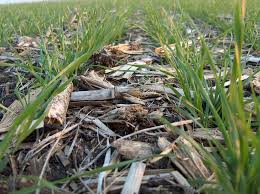
The sustainable agriculture movement prioritizes soil health to produce more with fewer resources. The benefits of conservative agricultural techniques seem numerous. But what exactly is sustainable agriculture, and how does it differ from conventional and organic farming?
What are the Objectives of Sustainable Agriculture?
The main goals of sustainable agriculture are:
- Increase irrigation efficiency
- Improve fertilizer use by minimizing waste and optimizing application rates
- Employ targeted pesticides to control pests and diseases
- Enhance soil productivity
- Reduce environmental risks associated with nitrate leaching, erosion, and surface runoff
- Limit biodiversity loss
- Gradually reduce soil disturbance to conserve fuel and minimize CO2 emissions
- Adapt crops to climate change
What is Sustainable Agriculture?
Sustainable agriculture can be seen as a middle ground between conventional farming and organic farming. While conventional farming prioritizes high yields, organic farming emphasizes strict regulations on chemical use. Sustainable agriculture seeks to find a balance between productivity and environmental stewardship.
Agricultural Precision: A Related Approach
Precision agriculture is another innovative approach that complements sustainable agriculture. Techniques like Strip Tillage can significantly improve crop yields with the aid of satellite-guided precision systems.
The Evolution of Sustainable Agriculture in Italy
Italy has made significant strides in adopting sustainable agricultural practices, with initiatives like the 2015-2016 funding for regional projects covering over 330 square kilometers. Notable examples include “HelpSoil,” which aims to assess yields and techniques in different regions; and “La Castelluccia” in Lazio, which uses sod seeding to produce cereals on 1,500 acres since 2008.
Tactics of Sustainable Agriculture
Sustainable agriculture employs a range of traditional techniques adapted to minimize soil disturbance and reduce equipment usage. Key strategies include:
- Reduced tillage: minimizing arable land preparation while maintaining soil health
- Vertical Tillage: working the soil at depths between 5-8 centimeters using vertical disks that minimize energy consumption and soil disruption
- Strip Tillage: narrow, shallow strips of land are cultivated for seedbeds without deep tillage
- No Trillage: avoiding soil disturbance to promote beneficial microbial activity and nutrient cycling
- Decomposition: targeted mechanical interventions help restore soil structure
Sustainable Agriculture and Precision Farming: Synergy or Silos?
The synergy between sustainable agriculture and precision farming is undeniable. Techniques like Strip Tillage can be optimized using satellite-guided precision systems, allowing farmers to reap the benefits of both approaches.
Cover Crops: A Green Manure Approach
Cover crops, also known as green manures, are used in various sustainable agricultural practices. These crops protect the soil and aren’t harvested for crop yield but rather left in place to promote ecosystem services.
Benefits of Sustainable Agriculture
The benefits of adopting sustainable agriculture techniques include:
- Increased yields while reducing environmental impact
- Improved soil health through reduced tillage and use of cover crops
- Enhanced biodiversity by promoting ecological balance
- Reduced greenhouse gas emissions from lower fuel consumption
- Financial savings through optimized resource use
Challenges of Implementing Sustainable Agriculture
Despite the benefits, implementing sustainable agriculture practices can be challenging. Some of the common obstacles include:
- High initial costs for equipment and training
- Limited access to markets and buyers willing to pay a premium for sustainably produced crops
- Regulatory hurdles in some countries or regions
- Resistance from farmers who have traditionally relied on intensive farming methods
Conclusion
Sustainable agriculture offers a promising middle ground between conventional and organic farming. By adopting conservative agricultural techniques, farmers can minimize their environmental footprint while maximizing yields. The synergy between sustainable agriculture and precision farming is undeniable, allowing farmers to reap the benefits of both approaches.
As the world becomes increasingly aware of the importance of sustainable agriculture, it is essential to continue researching and developing new techniques that promote soil health, reduce environmental risks, and enhance biodiversity. By working together, we can create a more sustainable food system for future generations.


