
Understanding Ferritin: Causes, Diagnosis, and Treatment
Ferritin is a protein that plays a crucial role in storing iron in our bodies. It’s essential to understand the causes of elevated ferritin levels, how to diagnose them, and what treatment options are available.
What Is Ferritin?
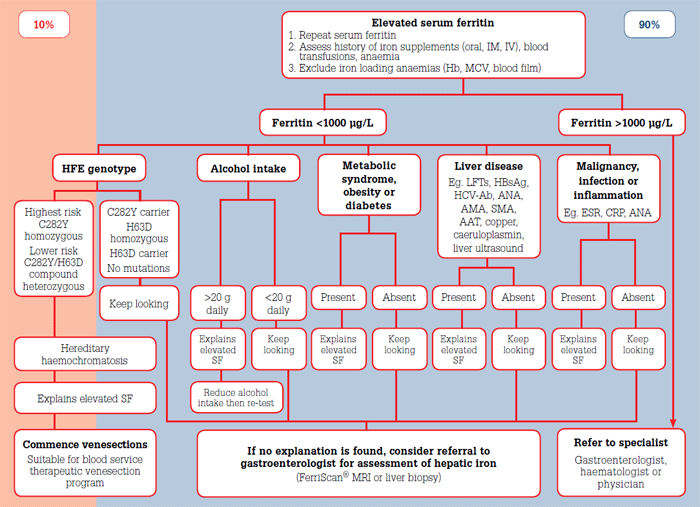
Ferritin is a soluble molecule in water that reflects the total iron stored in the body, usually at the same level as the total iron present. A low ferritin level may indicate iron deficiency, while an elevated level can be caused by various factors.
Causes of Elevated Ferritin Levels
Elevated ferritin levels can be caused by several primary and recurring factors, including:
- Damage to tissues containing ferritin (e.g., bone marrow and liver)
- Inflammation or infection
- Genetic conditions
- Secondary conditions, mainly due to blood transfusions
- Chronic anemia caused by ineffective erythropoiesis (bone marrow production), such as thalassemia
While elevated ferritin levels are often a sign of iron overload, they can also be present without any underlying pathology. Rare genetic conditions like hereditary hemochromatosis may be responsible for increased ferritin levels in certain populations.
Diagnosing Elevated Ferritin Levels
Elevated ferritin levels are often caused by damage to tissues or as part of an acute inflammatory response. In these cases, treatment is not necessary and can be diagnosed by measuring transferrin saturation at fasting.
In situations where iron overload leads to inflammation and tissue damage, affected areas typically include the liver, heart, skin, musculoskeletal system, and endocrine system. The symptoms associated with elevated ferritin levels are linked to conditions like cirrhosis leading to hepatocellular carcinoma, cardiac insufficiency, arrhythmias, osteoarthritis, graying of the skin (dermatitis ardesia), hypothyroidism, hypoadrenalism, diabetes, impotence, and hypoparathyroidism.
Treatment of Elevated Ferritin Levels
Not all elevated ferritin levels require treatment. Consulting with a healthcare professional is recommended to interpret test results, especially when considering other laboratory findings.
In cases where iron overload is the primary concern, reducing the total body iron content through venesection may be necessary. This process involves withdrawing 300-400 ml of blood, typically in a similar manner to a donation. The frequency of this procedure can vary between every 7-10 days, with close monitoring of complete blood counts to prevent anemia.
Treatment Goals
The goal of treatment is to bring the patient into a state of iron deficiency, resulting in lower ferritin levels below 50 μg/l. However, this approach is not typically the first line of treatment and is usually reserved for situations where there’s a high risk of tissue damage without proper intervention.
In cases where patients receive regular blood transfusions, such as those with thalassemia, managing iron overload is crucial when ferritin levels reach 1,000 μg/l.
Medications to Reduce Ferritin Levels
Medications can also be used to facilitate the chelation of iron. These are typically administered via subcutaneous injection and may cause side effects such as pain or discomfort at the injection site, ototoxicity, retinopathy, gastrointestinal disturbances, asthma, fever, headaches, arthralgias, and myalgias.
A newer class of medications has been developed for oral administration, which can lead to fewer side effects compared to subcutaneous injections. Common side effects include gastrointestinal issues, headaches, proteinuria, pruritus, and skin eruptions.
Chelation Therapy
Chelation therapy is a treatment used to remove excess iron from the body. It involves administering medications that bind to iron and help eliminate it through the kidneys or liver. The most commonly used chelating agents are deferoxamine and deferasirox.
Monitoring Ferritin Levels
Regular monitoring of ferritin levels is essential to ensure that the treatment is effective in reducing iron overload. Blood tests can be performed regularly, usually every 1-3 months, depending on the severity of the condition.
Prevention
While elevated ferritin levels are often a result of genetic or acquired conditions, there are measures that can be taken to prevent them:
- Regular blood testing for hemoglobin and iron stores
- Dietary adjustments to maintain adequate iron intake
- Avoiding excessive iron supplements
- Genetic screening for individuals at risk
Conclusion
Elevated ferritin levels are a common condition that requires careful consideration of potential causes and treatment options. Consulting with a healthcare professional is essential for identifying underlying factors or suggesting the most appropriate course of action. By understanding the various factors contributing to elevated ferritin levels and the available treatment options, individuals can take steps towards managing their iron overload effectively.
Frequently Asked Questions
- What are some common causes of elevated ferritin levels?
- Damage to tissues containing ferritin
- Inflammation or infection
- Genetic conditions
- Secondary conditions due to blood transfusions
- How can I diagnose elevated ferritin levels?
- Measuring transferrin saturation at fasting
- What are the potential symptoms associated with elevated ferritin levels?
- Cirrhosis leading to hepatocellular carcinoma, cardiac insufficiency, arrhythmias, osteoarthritis, graying of the skin (dermatitis ardesia), hypothyroidism, hypoadrenalism, diabetes, impotence, and hypoparathyroidism
- What is the treatment for elevated ferritin levels?
- Reducing total body iron content through venesection
- Medications to facilitate chelation of iron (e.g., subcutaneous injections)
- Can I manage my iron overload at home?
- No, consult a healthcare professional for proper guidance and treatment.
- What are some potential side effects of medications used to reduce ferritin levels?
- Pain or discomfort at the injection site
- Ototoxicity
- Retinopathy
- Gastrointestinal disturbances
- Asthma
- Fever
- Headaches
- Arthralgias
- Myalgias


