
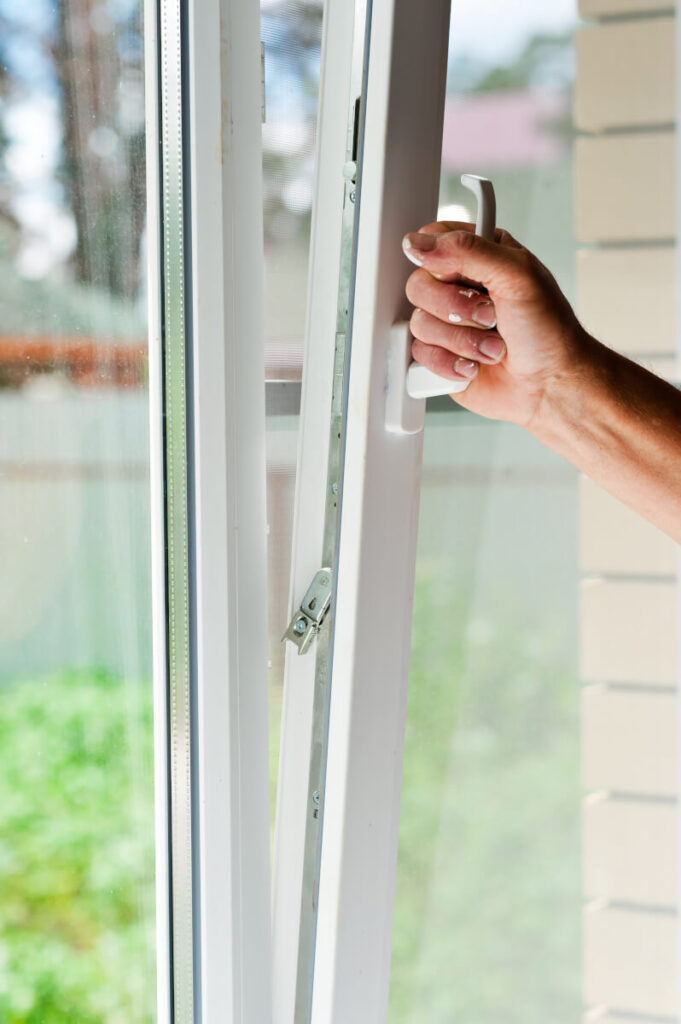
As the temperatures rise and fall, your home’s energy efficiency takes a hit. Unwanted air leaks around doors, windows, and other openings can cause heat to escape, leading to higher utility bills and discomfort. In this article, we’ll explore the causes of air leaks, how to identify them, and the best methods for sealing them.
What Causes Air Leaks?
Air leaks are a common problem in many homes. They can occur anywhere, but some areas are more prone to infiltration than others. Here are some common sources of air leaks:
- Windows and doors
- Window treatments like curtains or blinds
- Electrical outlets
- Chimneys
- Window sills
To identify the source of an air leak, use a thermal detector or hire a professional to do it for you.
Detecting Air Leaks
One simple way to detect air leaks is by using a candle. Hold the flame up to the gap in question – if it flickers or dies out, there’s likely an air leak. This method works because the flame will be drawn into the gap if there’s no air to support it.
How to Identify Air Leaks Using Different Methods
Different methods can be used to identify air leaks depending on your location and tools available. Here are some common methods:
- Candle Method: Hold a candle up to the gap in question – if it flickers or dies out, there’s likely an air leak.
- Smoke Penetrator Test: This method uses a smoke penetrator to detect air leaks. The device emits a smoke that can be seen through windows and other openings.
- Thermal Imaging Camera: A thermal imaging camera can detect cold spots in your home, which can indicate air leaks.
- Soap Bubble Method: Mix dish soap with water and spray it into the gap – if bubbles form and disappear quickly, there’s likely an air leak.
Where Do Air Leaks Come From?
Air leaks can occur due to various reasons:
- Worn-out seals on windows and doors
- Loose or damaged window treatments
- Poorly installed electrical outlets
- Chimneys that are not properly sealed
- Gaps between the window frame and surrounding structure
Sealing Air Leaks with Adhesive Profiles
Many air leaks come from old and worn-out windows. To fix this, you can use adhesive profiles to seal the gaps between the window frame and the surrounding structure.
Before applying the profile, clean the area thoroughly. The most popular type of profile is one made from rubber or foam that adheres to the edge of the window. These are easy to install and available online at a low cost.
Types of Adhesive Profiles
There are several types of adhesive profiles available for sealing air leaks:
- Rubber Profiles: These profiles are made from rubber and adhere to the edge of the window. They’re easy to install and come in various widths.
- Foam Profiles: These profiles are made from foam and also adhere to the edge of the window. They’re more durable than rubber profiles and provide a tighter seal.
- Vinyl Profiles: These profiles are made from vinyl and also adhere to the edge of the window. They’re waterproof and can withstand extreme temperatures.
How to Install an Adhesive Profile
Installing an adhesive profile is a relatively simple process that requires some preparation:
- Clean the area where you want to apply the profile.
- Remove any old seals or debris from the area.
- Cut the profile to size using scissors or a utility knife.
- Peel off the backing and press the profile firmly onto the edge of the window.
Sealing Air Leaks with Air-Tight Tapes
Air-tight tapes are another effective way to seal air leaks in your home. These tapes are made from a variety of materials, including foam tape and silicone tape.
When choosing an air-tight tape, consider the type of gap you’re trying to seal and the material it’s made of. Here are some common types of air-tight tapes:
- Foam Tape: This tape is made from foam and provides a tight seal on gaps up to 1 inch wide.
- Silicone Tape: This tape is made from silicone and provides a tight seal on gaps up to 2 inches wide.
How to Install an Air-Tight Tape
Installing an air-tight tape is also a simple process that requires some preparation:
- Clean the area where you want to apply the tape.
- Remove any old seals or debris from the area.
- Peel off the backing and press the tape firmly onto the gap.
Sealing Air Leaks from Window Sills
Another common source of air leaks is window sills. To fix this, use an air-tight tape or silicone sealant to fill in any gaps between the sill and the surrounding structure.
Types of Materials for Sealing Air Leaks at Window Sills
When choosing a material for sealing air leaks at window sills, consider the type of gap you’re trying to seal and the material it’s made of. Here are some common materials:
- Foam Tape: This tape is made from foam and provides a tight seal on gaps up to 1 inch wide.
- Silicone Sealant: This sealant is made from silicone and provides a tight seal on gaps up to 2 inches wide.
How to Install Foam Tape at Window Sills
Installing foam tape at window sills is a simple process that requires some preparation:
- Clean the area where you want to apply the tape.
- Remove any old seals or debris from the area.
- Peel off the backing and press the tape firmly onto the gap.
How to Install Silicone Sealant at Window Sills
Installing silicone sealant at window sills is also a simple process that requires some preparation:
- Clean the area where you want to apply the sealant.
- Remove any old seals or debris from the area.
- Apply the sealant firmly onto the gap.
Sealing Air Leaks from Door Frames
Air leaks can also occur at the bottom of a door frame. To fix this, use an under-door barrier adhesive or install a door draft stopper made of fabric.
You can find more information about these products on Amazon.
Types of Materials for Sealing Air Leaks at Door Frames
When choosing a material for sealing air leaks at door frames, consider the type of gap you’re trying to seal and the material it’s made of. Here are some common materials:
- Foam Tape: This tape is made from foam and provides a tight seal on gaps up to 1 inch wide.
- Silicone Sealant: This sealant is made from silicone and provides a tight seal on gaps up to 2 inches wide.
How to Install Foam Tape at Door Frames
Installing foam tape at door frames is a simple process that requires some preparation:
- Clean the area where you want to apply the tape.
- Remove any old seals or debris from the area.
- Peel off the backing and press the tape firmly onto the gap.
How to Install Silicone Sealant at Door Frames
Installing silicone sealant at door frames is also a simple process that requires some preparation:
- Clean the area where you want to apply the sealant.
- Remove any old seals or debris from the area.
- Apply the sealant firmly onto the gap.
Conclusion: The Benefits of Sealing Air Leaks
Sealing air leaks is an effective way to improve your home’s energy efficiency and reduce energy bills. By identifying the sources of air leaks and using the right materials, you can make your home a more comfortable and cost-effective space.
Frequently Asked Questions
Q: How often should I check for air leaks?
A: It’s recommended to check for air leaks at least twice a year, or whenever you notice a change in your energy bills or comfort level.
Q: Can I use caulk to seal air leaks?
A: While caulk can be used to seal some air leaks, it may not be the best option for all types of gaps. Adhesive profiles and air-tight tapes are often more effective.
Q: How do I choose the right adhesive profile for my windows?
A: When choosing an adhesive profile, consider the type of window you have and the material it’s made of. Rubber or foam profiles work well with most windows.
Q: Can I install air-tight tape on my own?
A: Yes, installing air-tight tape is a relatively simple process that can be done at home. Follow the manufacturer’s instructions for best results.
Q: How long does it take to seal all air leaks completely?
A: The time it takes to seal all air leaks depends on the number and location of the gaps. It may take several hours or days to complete the job, depending on the complexity of the project.
Q: Are there any environmental concerns with using adhesive profiles or air-tight tapes?
A: Most adhesive profiles and air-tight tapes are made from non-toxic materials and are safe for indoor use. However, it’s always a good idea to read the manufacturer’s instructions and follow safety precautions when working with these products.
Q: Can I seal air leaks in my home if I have pets or allergies?
A: Yes, sealing air leaks can be especially beneficial for pet owners and those with allergies. By reducing the amount of allergens and pollutants entering your home, you can improve the health and comfort of everyone inside.


