
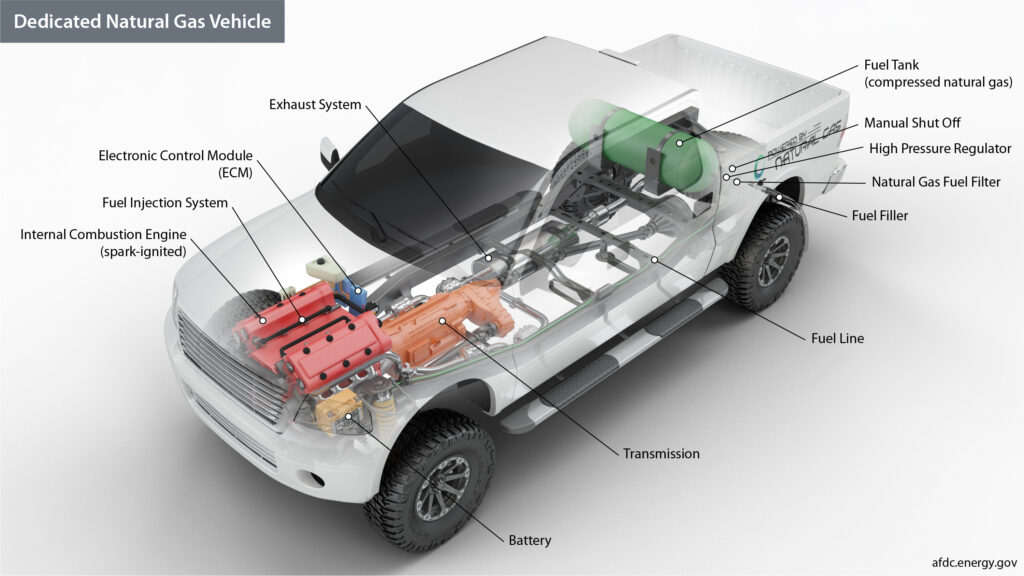
As the world grapples with the challenges of climate change and environmental degradation, the search for alternative energy sources has become increasingly important. One solution that has gained popularity in recent years is the use of Compressed Natural Gas (CNG) cars. In this article, we will explore the benefits of CNG cars, the incentives available to consumers, and some of the models currently available on the market.
What are CNG Cars?
CNG cars are vehicles that run on compressed natural gas as their primary fuel source. The most common type of CNG is methane, which is extracted from natural gas wells and compressed into a high-pressure tank. This compressed gas can be used to power internal combustion engines, similar to gasoline or diesel.
The Benefits of CNG Cars
There are several benefits associated with CNG cars that make them an attractive option for consumers:
- Lower Fuel Costs: The most significant advantage of CNG cars is the lower cost of fuel. With a price that’s roughly half that of gasoline, CNG can save consumers thousands of dollars over time.
- Reduced Emissions: CNG is a cleaner-burning fuel than gasoline or diesel, which means it produces fewer emissions and contributes less to air pollution.
- Increased Fuel Efficiency: Many CNG cars have improved fuel efficiency compared to their traditional gasoline or diesel counterparts.
Incentives for Buying a CNG Car
There are several incentives available to consumers who purchase a CNG car:
- Government Incentives: The Italian government offers tax breaks and other incentives to encourage the use of CNG cars.
- Lower Emissions Standards: Many countries have set lower emissions standards for vehicles that run on CNG, which can help reduce air pollution.
CNG Cars Available in the Market
Several manufacturers offer CNG versions of their popular models:
- Fiat Panda Natural Power: The Fiat Panda is a compact car that’s available with a CNG engine.
- Mercedes-Benz E-Class NGT Blue Efficiency Executive: The Mercedes-Benz E-Class is a luxury sedan that offers a CNG version with improved fuel efficiency and lower emissions.
- Opel Zafira EcoM: The Opel Zafira is a family car that’s available with a CNG engine, making it an attractive option for families looking to reduce their environmental impact.
Conclusion
CNG cars are becoming increasingly popular as consumers look for alternative energy sources. With lower fuel costs, reduced emissions, and increased fuel efficiency, CNG cars offer a compelling solution for those looking to reduce their environmental footprint. As governments continue to incentivize the use of CNG cars, it’s likely that we’ll see even more models join the market in the coming years.
Frequently Asked Questions
- What is the difference between CNG and LPG?
CNG (Compressed Natural Gas) and LPG (Liquefied Petroleum Gas) are both alternative fuels, but they have different properties and uses. - How do I find a CNG fueling station near me?
You can search online for “CNG fueling stations near me” or check with local authorities to find the nearest CNG station. - What is the environmental impact of CNG cars?
CNG cars produce fewer emissions than traditional gasoline or diesel cars, but they still contribute to air pollution and greenhouse gas emissions. - Can I use my existing car on CNG?
Not all cars can run on CNG, so you’ll need to check with your manufacturer to see if your vehicle is compatible. - How much does a CNG car cost?
The cost of a CNG car varies depending on the model, make, and year, but it’s generally more expensive than a traditional gasoline or diesel car. - Are there any tax incentives for buying a CNG car?
Yes, some governments offer tax breaks and other incentives to encourage the use of CNG cars. - Can I refuel my CNG car at home?
No, CNG cars require specialized equipment to refuel, so you’ll need to find a public fueling station or purchase a home tank system. - How long does it take for a CNG car to refuel?
The time it takes for a CNG car to refuel varies depending on the size of the vehicle and the capacity of the fueling station, but it’s generally faster than refueling a traditional gasoline or diesel car.
The Future of CNG Cars
As the demand for CNG cars continues to grow, manufacturers are working to improve their efficiency, reduce costs, and increase availability. Some potential trends in the future of CNG cars include:
- Increased use of bio-CNG: Bio-CNG is a type of renewable energy that can be produced from organic waste such as food scraps or sewage. This could provide an additional source of clean energy for CNG cars.
- Improved fuel efficiency: Manufacturers are working to improve the fuel efficiency of CNG cars, which would make them more appealing to consumers who want to save money on fuel costs.
- Wider availability: As more manufacturers offer CNG versions of their models, it’s likely that we’ll see wider availability of these vehicles in the coming years.
Conclusion
CNG cars are becoming an increasingly popular option for consumers looking for alternative energy sources. With lower fuel costs, reduced emissions, and increased fuel efficiency, CNG cars offer a compelling solution for those looking to reduce their environmental footprint. As governments continue to incentivize the use of CNG cars, it’s likely that we’ll see even more models join the market in the coming years.
Additional Resources
For more information on CNG cars, including pricing, fuel efficiency, and availability, visit:
- The U.S. Environmental Protection Agency (EPA) website: www.epa.gov
- The National Institute for Transportation and Traffic Safety (NITTS) website: www.nitts.org
- The International Association of Automobile Manufacturers (OICA) website: www.oica.int
By choosing CNG cars, consumers can make a positive impact on the environment while also saving money on fuel costs. As the demand for these vehicles continues to grow, it’s likely that we’ll see even more models join the market in the coming years.


