
Heavy metals such as lead, cadmium, mercury, chromium, and manganese are ubiquitous in our daily lives. These metals are often used in industrial processes and combustion activities that release them into the environment. The presence of heavy metals is closely linked to human health risks.
Understanding the Risks of Heavy Metals
The risks associated with heavy metals are multifaceted and far-reaching. Exposure to these metals can lead to serious health issues, including neurological damage, kidney problems, bone health issues, and even death. In this article, we will explore the perils of lead, mercury, cadmium, chromium, and manganese, and provide guidance on how to minimize exposure to these hazardous substances.
The Perils of Lead: A Common Hazard
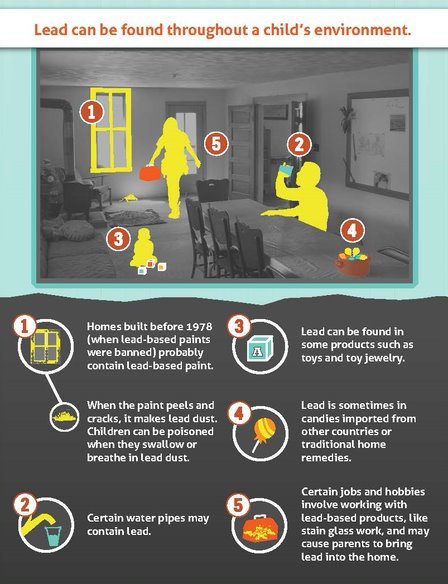
Lead is a metal with extensive use, but it also poses significant health threats. It can contaminate products like paints, finishes, and plastics, as well as cigarette smoke, car exhaust fumes, and household dust. Ingestion or exposure to lead can lead to serious health issues, including developmental delays in children, reduced IQ, and increased risk of cancer.
Where Can We Find Lead in Our Homes?
Lead is often present in everyday items such as:
- Cookware with a tin or lead coating
- Ceramics from older production runs
- Tableware made from lead-glazed ceramics
- Paints and finishes containing lead
If you’re unsure about the safety of your cookware, consider replacing it with safer alternatives.
Protecting Yourself from Lead: Best Practices
To minimize exposure to lead:
- Avoid using old cookware or tableware
- Clean up spills immediately
- Regularly inspect for signs of lead contamination
- Consider using non-toxic cookware and cleaning products
It’s also essential to know how to test for lead in your home. You can use a lead-testing kit or hire a professional to conduct a thorough inspection.
The Importance of Proper Disposal
When disposing of items that may contain heavy metals, follow these guidelines:
- Do not burn or incinerate hazardous materials
- Use sealed containers to transport waste
- Follow local regulations for hazardous waste disposal
Other Heavy Metals: The Risks and Precautions
In addition to lead, other heavy metals pose significant health risks. These include mercury, cadmium, chromium, and manganese.
| Metal | Source of Exposure | Health Effects |
|---|---|---|
| Mercury | Fish consumption, thermometers, fluorescent light bulbs | Neurological damage, kidney problems |
| Cadmium | Tobacco smoke, food processing, contaminated soil | Kidney disease, bone health issues |
Mercury: A Silent Killer
Mercury is a potent neurotoxin that can accumulate in the body over time. Exposure to mercury can lead to neurological damage, including tremors, muscle weakness, and cognitive impairment. Mercury is also linked to kidney problems, which can be fatal if left untreated.
Reducing Exposure to Mercury
To minimize exposure to mercury:
- Avoid eating fish with high mercury levels
- Use thermometers with mercury-free materials
- Properly dispose of fluorescent light bulbs
Cadmium: A Silent Toxicant
Cadmium is a toxic metal that can cause kidney disease and bone health issues. Exposure to cadmium has been linked to an increased risk of cancer, particularly lung cancer.
Reducing Exposure to Cadmium
To minimize exposure to cadmium:
- Avoid smoking tobacco
- Choose food products with minimal cadmium content
- Follow proper disposal procedures for hazardous waste
Chromium: A Potential Carcinogen
Chromium is a metal that can cause skin irritation and lung cancer. Exposure to chromium has also been linked to kidney disease and bone health issues.
Reducing Exposure to Chromium
To minimize exposure to chromium:
- Avoid using chromium-based paints or finishes
- Wear protective clothing when working with chromium-containing materials
- Follow proper disposal procedures for hazardous waste
Manganese: A Neurotoxin
Manganese is a metal that can cause neurological damage, including tremors, muscle weakness, and cognitive impairment. Exposure to manganese has also been linked to kidney problems.
Reducing Exposure to Manganese
To minimize exposure to manganese:
- Avoid eating fish with high manganese levels
- Use non-toxic materials when working with manganese-containing compounds
- Follow proper disposal procedures for hazardous waste
Conclusion: Staying Safe in a Heavy Metal World
By understanding the risks associated with heavy metals and taking proactive steps to minimize exposure, we can protect our health and well-being. Stay informed about safety guidelines and best practices for handling hazardous materials.
Frequently Asked Questions (FAQs)
- What are the most common sources of lead exposure?
- Old cookware, paint, and household dust
- How do I test for lead in my home?
- Use a lead-testing kit or hire a professional to conduct a thorough inspection
- Can I remove old lead-based paints from my walls?
- Only if you have the necessary training and equipment; otherwise, consider hiring a certified professional
- What are some safer alternatives to traditional cookware?
- Non-toxic ceramic or glass cookware, stainless steel, or cast iron
- How can I reduce exposure to mercury in my home?
- Avoid eating fish with high mercury levels, use thermometers with mercury-free materials, and properly dispose of fluorescent light bulbs
- Can I recycle heavy metals at home?
- No; contact local authorities for guidance on proper disposal procedures
- How often should I inspect my home for signs of lead contamination?
- Regularly check for peeling paint, discoloration, or other indicators of lead presence
- What are the long-term effects of exposure to heavy metals?
- Varying health issues depending on the metal and level of exposure; consult a healthcare professional for personalized advice


