
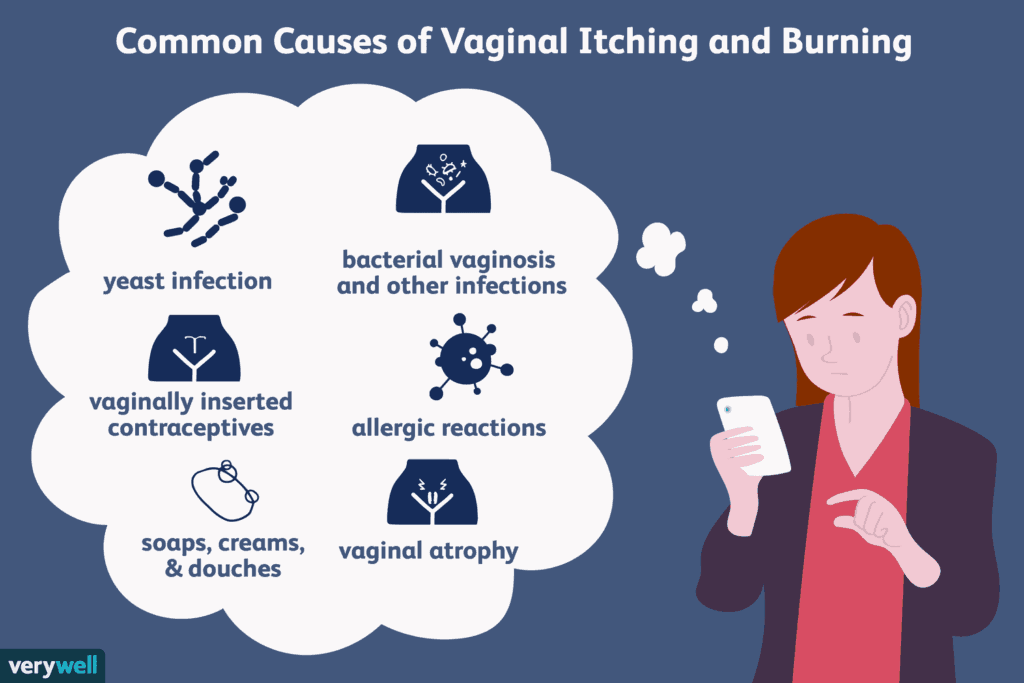
Prurito e bruciore intimo, also known as vaginal pruritus, is a common symptom that can be caused by various factors. While it’s often a minor issue, persistent or severe symptoms may warrant medical attention. In this article, we’ll delve into the causes of vaginal pruritus, its symptoms, and treatment options to help you better understand this common condition.
What Causes Vaginal Pruritus?
Vaginal pruritus can be caused by a range of factors, including:
1. Irritant Substances
Exposure to irritating substances, such as soap, feminine products, topical creams, detergents, absorbent paper products, and scented sanitary napkins, can lead to vaginal pruritus. These substances can trigger an allergic reaction that causes skin irritation and itching in various parts of the body, including the vagina.
- Dish soap: Using dish soap or other harsh soaps on your genital area can cause irritation and dryness.
- Feminine hygiene products: Some women may experience vaginal pruritus due to the use of scented feminine hygiene products, such as tampons or pads.
- Topical creams or ointments: Certain topical creams or ointments, like those used for eczema or acne, can cause vaginal pruritus if applied too frequently or in large quantities.
2. Skin Conditions
Certain skin conditions, like eczema and psoriasis, can cause redness and itching in the genital area. Eczema, also known as dermatitis, is a common condition characterized by an itchy, inflamed rash that often affects individuals with asthma or allergies. Psoriasis is another condition that causes patches of red, scaly skin on the scalp, joints, and genital areas.
- Eczema (dermatitis): Eczema can cause vaginal pruritus due to the formation of itchy, inflamed rashes.
- Psoriasis: Psoriasis can lead to patches of red, scaly skin in the genital area, causing itching and discomfort.
- Other skin conditions: Certain skin conditions like lichen sclerosus, vulvar vestibulitis syndrome (VVS), or atopic dermatitis can also cause vaginal pruritus.
3. Yeast Infections
A yeast infection, also known as vulvovaginal candidiasis, occurs when the natural balance of bacteria in the vagina is disrupted, allowing a type of fungus called Candida to overgrow. This can cause itching, burning, and redness in the vaginal area.
- Symptoms: Yeast infections often present with symptoms like itching, burning, redness, and white or thick discharge.
- Treatment: Antifungal medications are typically prescribed to treat yeast infections.
4. Bacterial Vaginosis
Bacterial vaginosis (BV) is an imbalance of the normal bacterial flora in the vagina, which can lead to itching, foul odor, and abnormal vaginal discharge.
- Symptoms: BV often presents with symptoms like itching, burning, redness, and a strong fishy odor.
- Treatment: Antibiotics are typically prescribed to treat bacterial vaginosis.
5. Sexually Transmitted Infections
Certain sexually transmitted infections (STIs), such as chlamydia, genital warts, gonorrhea, herpes, and trichomoniasis, can cause pruritus in the vagina. These conditions can also lead to additional symptoms like abnormal vaginal discharge, pain during urination, or painful sex.
- Symptoms: STIs often present with symptoms like itching, burning, redness, and abnormal vaginal discharge.
- Treatment: Antibiotics or antiviral medications may be prescribed to treat certain STIs.
6. Menopause
Menopause is a natural biological process where the body’s hormone levels decrease, leading to changes in the vagina, including thinning and dryness. This can cause itching, burning, and discomfort in the vaginal area.
- Symptoms: Menopausal symptoms often present with symptoms like itching, burning, redness, and dryness.
- Treatment: Hormone replacement therapy (HRT) may be prescribed to alleviate menopausal symptoms.
7. Stress
While less common, stress can contribute to pruritus and irritation in the vaginal area by weakening the immune system.
- Symptoms: Stress can cause symptoms like itching, burning, redness, and discomfort.
- Treatment: Stress management techniques like meditation, yoga, or deep breathing exercises may be helpful.
8. Vulvar Cancer
In rare cases, vaginal pruritus can be a symptom of vulvar cancer, a type of cancer that develops in the vulva, which includes the labia, clitoris, and opening of the vagina.
- Symptoms: Vulvar cancer often presents with symptoms like itching, burning, redness, and abnormal vaginal discharge.
- Treatment: Surgical removal of the affected area may be necessary to treat vulvar cancer.
When to Seek Medical Attention
If you experience any of the following symptoms, it’s essential to consult your healthcare provider:
- Persistent or severe pruritus
- Painful sex
- Abnormal vaginal discharge
- Redness, swelling, or ulcers on the vulva
- Difficulty urinating
- Fever over 101.5°F (38.6°C)
- Unusual bleeding or discharge
Treatment Options
While many cases of vaginal pruritus can be managed with self-care measures, persistent or severe symptoms may require medical attention. Treatment options include:
- Antifungal medications for yeast infections
- Antibiotics for bacterial vaginosis and STIs
- Hormone replacement therapy (HRT) for menopausal symptoms
- Topical creams or ointments for skin conditions like eczema and psoriasis
- Stress management techniques
Conclusion
Vaginal pruritus is a common symptom that can be caused by various factors. By understanding the causes, symptoms, and treatment options, you can better manage this condition and improve your overall well-being.
Frequently Asked Questions (FAQs)
- What is vaginal pruritus?
Vaginal pruritus is a common symptom characterized by itching or burning sensations in the vagina. - Is vaginal pruritus contagious?
In most cases, vaginal pruritus is not contagious, but some underlying conditions can be transmitted through sexual contact. - Can I treat vaginal pruritus at home?
Yes, many cases of vaginal pruritus can be managed with self-care measures like using gentle soaps and avoiding irritating products. - When should I see a doctor for vaginal pruritus?
If you experience persistent or severe symptoms, painful sex, or abnormal vaginal discharge, consult your healthcare provider to rule out underlying conditions. - Can stress contribute to vaginal pruritus?
Yes, stress can weaken the immune system and contribute to vaginal pruritus. - Is there a link between vaginal pruritus and menopause?
Yes, hormonal changes during menopause can cause itching, burning, and discomfort in the vaginal area. - Can I get vaccinated against STIs that cause vaginal pruritus?
Yes, there are vaccines available to prevent certain STIs like HPV and hepatitis B, which can reduce the risk of vaginal pruritus. - How can I prevent vaginal pruritus?
Practice good hygiene, avoid irritating products, wear breathable clothing, and manage stress to reduce your risk of developing vaginal pruritus.


