
Introduction
Porcelain tile flooring has become a popular choice for homeowners due to its durability, resistance to abrasion, and ease of maintenance. However, like any other material, it requires regular cleaning and polishing to maintain its appearance and longevity. In this article, we will explore the best practices for polishing porcelain tile flooring, including how to clean, remove stubborn stains, and protect your investment.
What is Porcelain Tile Flooring?
Porcelain tile flooring is made from a combination of very resistant materials, making it impermeable and long-lasting. Despite its impermeability, porcelain tile flooring is a microporous material, meaning that its pores can accumulate dirt over time. This makes regular cleaning and polishing essential to maintaining the floor’s appearance.
Why Regular Cleaning is Essential
Regular cleaning is crucial to removing dirt and grime that can accumulate on the surface of the tile. If left unchecked, these substances can seep into the micropores of the porcelain, making it difficult to clean and polish in the future.
How to Clean Porcelain Tile Flooring
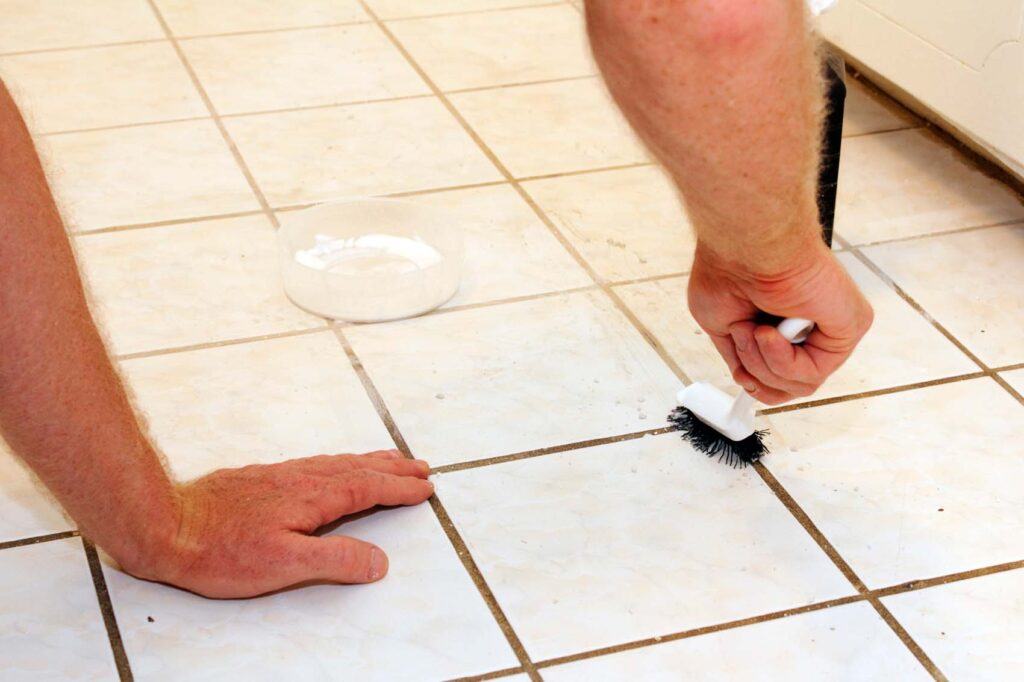
Cleaning porcelain tile flooring requires caution and attention to detail. Here are some steps to follow:
- Use a gentle cleaner: Avoid using common detergents found at supermarkets, as they can contain tensioactive agents that dissolve dirt on the surface of the tile but allow it to penetrate the micropores.
- Choose the right cleaning product: For glossy or opaque porcelain tile flooring, use a specific cleaner designed for the type of tile you have. Wood-effect porcelain tile flooring also requires a specialized cleaner.
- Use an aspirator and classic mop: To clean large areas efficiently, use an aspirator to remove dirt and debris, followed by a classic mop to clean the surface.
Recommended Cleaning Products
For glossy or opaque porcelain tile flooring, consider using Marbec Gres Lindo, available on Amazon for 12.57 euros with included shipping costs. This product is specifically designed for cleaning and polishing porcelain tile flooring.
If you prefer not to use a specialized cleaner, look for detergents based on inorganic salts like sodium or potassium that clean thoroughly without allowing dirt to penetrate the micropores of the porcelain.
How to Remove Stubborn Stains
Removing stubborn stains from porcelain tile flooring can be challenging. Here are some steps to follow:
- Use specialized cleaning products: For heavy-duty cleaning, use acid-smoothing Fila (based on acid phosphoric) or Marbec.
- Apply reduced doses of cleaner: To avoid over-dosing, apply reduced amounts of cleaner according to the manufacturer’s instructions.
Precautions When Cleaning Porcelain Tile Flooring
When cleaning porcelain tile flooring, take the following precautions into account:
- Wear protective gloves and eyewear to prevent skin irritation and eye damage.
- Use a well-ventilated area to avoid inhaling fumes from cleaning products.
- Avoid using abrasive materials or scrubbers that can scratch the surface of the tile.
How to Polish Porcelain Tile Flooring
Polishing porcelain tile flooring is crucial to maintaining its natural shine. However, using waxes can lead to dissolving with subsequent washing, generating more dirt in the micropores. Instead, use protective agents that preserve the floor’s natural appearance.
When choosing a polishing agent, ensure it is from a reputable manufacturer and suitable for your specific type of tile. Protective agents should be applied on a clean and dry floor, ideally every two months to maintain the floor’s shine and longevity.
Types of Polishing Agents
Some common types of polishing agents used for porcelain tile flooring include:
- Silicon-based products: These are popular choices for their effectiveness in preserving the floor’s natural appearance.
- Polysulfide-based products: These products provide a high-gloss finish and are often used on glossy or opaque porcelain tile flooring.
Precautions When Polishing Porcelain Tile Flooring
When polishing porcelain tile flooring, take the following precautions into account:
- Wear protective gloves and eyewear to prevent skin irritation and eye damage.
- Use a well-ventilated area to avoid inhaling fumes from polishing agents.
- Avoid using excessive amounts of polish or cleaner, as this can lead to an over-dosed appearance.
Conclusion
Polishing porcelain tile flooring requires regular maintenance to maintain its appearance and longevity. By following these steps, you can keep your floor looking its best and extend its lifespan. Remember to choose the right cleaning products, apply reduced doses of cleaner, and use protective agents regularly to ensure a sparkling clean floor.
Frequently Asked Questions
Q: How often should I clean my porcelain tile flooring?
A: Regular cleaning is essential to removing dirt and grime that can accumulate on the surface of the tile. Aim for regular cleaning sessions every 1-2 weeks, depending on usage.
Q: What type of cleaner should I use for glossy or opaque porcelain tile flooring?
A: For glossy or opaque porcelain tile flooring, use a specific cleaner designed for the type of tile you have.
Q: How do I remove stubborn stains from my porcelain tile flooring?
A: Use specialized cleaning products like acid-smoothing Fila (based on acid phosphoric) or Marbec, applying reduced doses according to the manufacturer’s instructions.
Q: What is the best way to polish and protect my porcelain tile flooring?
A: Use protective agents that preserve the floor’s natural appearance, applied every two months to maintain the floor’s shine and longevity.
Q: Can I use waxes on my porcelain tile flooring?
A: No, using waxes can lead to dissolving with subsequent washing, generating more dirt in the micropores. Instead, use protective agents that preserve the floor’s natural appearance.
Q: How do I choose a reputable manufacturer for polishing and protective agents?
A: Research online reviews, product ratings, and manufacturer recommendations to ensure you are purchasing from a reliable source.
Q: Can I apply too much polish or cleaner on my porcelain tile flooring?
A: Yes, applying excess polish or cleaner can lead to a dull appearance and increased dirt accumulation in the micropores. Always follow the manufacturer’s instructions for recommended application amounts.
Q: How long does it take to polish porcelain tile flooring?
A: The time it takes to polish porcelain tile flooring depends on the type of polishing agent used, the size of the area being polished, and the individual’s cleaning technique. Typically, a polishing process can take anywhere from 30 minutes to several hours.
Q: Is polishing porcelain tile flooring difficult?
A: Polishing porcelain tile flooring requires some technical knowledge and attention to detail. However, with the right guidance and equipment, anyone can learn how to polish their porcelain tile flooring effectively.
Q: How much does it cost to polish porcelain tile flooring?
A: The cost of polishing porcelain tile flooring varies depending on the type of polishing agent used, the size of the area being polished, and the individual’s cleaning technique. Typically, a polishing process can cost anywhere from $50 to several hundred dollars.
Q: Can I polish my own porcelain tile flooring at home?
A: Yes, you can polish your own porcelain tile flooring at home using the right equipment and techniques. However, it is recommended that you consult online tutorials or seek guidance from a professional cleaner if you are unsure about any aspect of the polishing process.
Q: How do I maintain my polished porcelain tile flooring?
A: To maintain your polished porcelain tile flooring, ensure regular cleaning sessions every 1-2 weeks, and apply protective agents every two months to preserve the floor’s natural appearance.
By following these steps and taking the necessary precautions, you can keep your porcelain tile flooring looking its best and extend its lifespan. Remember to choose the right cleaning products, apply reduced doses of cleaner, and use protective agents regularly to ensure a sparkling clean floor.


