
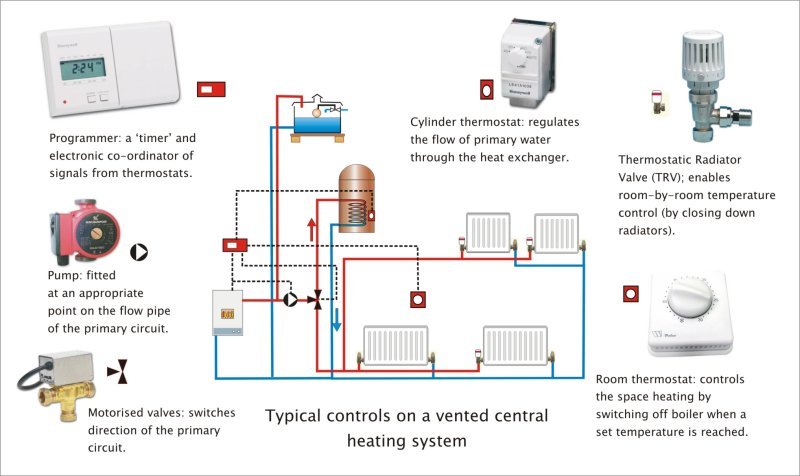
Understanding Centralized Heating Systems
Centralized heating is a common feature in condominiums, where the management of the system falls on the administrator of the building. This type of heating system allows residents to avoid managing the system themselves, while also being responsible for its maintenance.
The concept of centralized heating systems has evolved over time, with advancements in technology and regulations aimed at promoting energy efficiency and cost-effectiveness. In this article, we will delve into the details of centralized heating systems, including how they work, their benefits, and the regulations that govern them.
The Evolution of Centralized Heating Systems
In recent years, there have been significant changes in the way centralized heating systems are designed and managed. One notable development is the introduction of thermostatic valves and energy metering systems. These measures aim to promote energy efficiency by accurately distributing costs among residents.
Thermostatic valves are a crucial component of centralized heating systems. They regulate the temperature in each unit, ensuring that it stays within a comfortable range. Energy metering systems, on the other hand, track energy consumption, allowing residents to be billed for their individual usage.
How Centralized Heating Works
Centralized heating systems work by circulating warm water or steam throughout the building. This process is controlled by a thermostat, which regulates the temperature in each unit. The system also features a meter that tracks energy consumption, allowing residents to be billed for their individual usage.
The operation of centralized heating systems can be broken down into several key components:
- Heating Source: This could be a boiler or furnace that heats water or produces steam.
- Distributing System: This includes pipes and valves that distribute the heated water or steam throughout the building.
- Control System: This consists of thermostats, meters, and other devices that regulate the temperature and track energy consumption.
The Importance of Energy Metering
Energy metering is a crucial component of centralized heating systems. It enables residents to understand how much energy they are using and pay only for what they consume. This approach promotes cost-effectiveness and helps reduce waste.
There are several benefits of using an energy metering system:
- Accurate Billing: Energy meters provide accurate readings, ensuring that residents are billed correctly for their energy usage.
- Cost Savings: By tracking energy consumption, residents can identify areas where they can make changes to reduce their energy usage and save money.
- Energy Efficiency: Energy meters help residents understand their energy usage patterns, enabling them to make adjustments to improve efficiency.
Benefits of Centralized Heating Systems
Centralized heating systems offer several advantages, including:
- Convenience: Residents do not need to manage the system themselves.
- Energy Efficiency: The system can be designed to optimize energy consumption.
- Cost Savings: Residents pay only for what they use, reducing overall costs.
In addition to these benefits, centralized heating systems also provide several other advantages, including:
- Improved Comfort: Centralized heating systems can maintain a consistent temperature throughout the building, providing improved comfort for residents.
- Increased Property Value: Well-maintained centralized heating systems can increase property value and appeal to potential buyers.
- Reduced Maintenance Costs: With regular maintenance, residents can reduce the cost of repairing or replacing components.
Regulations and Obligations
Centralized heating systems are subject to various regulations. Property owners must ensure that their systems meet these requirements. This includes installing thermostatic valves and energy metering systems.
There are several key regulations that govern centralized heating systems:
- Thermostatic Valve Installation: Thermostatic valves must be installed in each unit, allowing residents to regulate the temperature independently.
- Energy Metering: Energy meters must be installed to track energy consumption and provide accurate billing.
- National Calendar of Activation Dates: Property owners must comply with national calendar of activation dates for centralized heating systems.
Activation Dates: A Guide
Property owners should be aware of the activation dates for centralized heating systems in different regions and climate zones. These dates are usually set by local authorities and can vary depending on the location.
Here is a list of some common activation dates:
- Spring: Typically, central heating systems are activated in spring, around March or April.
- Fall: Central heating systems are often deactivated in fall, around September or October.
Key Regulations and Obligations
Property owners should be aware of the following key regulations and obligations regarding centralized heating systems:
- Install Thermostatic Valves: Property owners must install thermostatic valves in each unit to allow residents to regulate the temperature independently.
- Comply with National Calendar of Activation Dates: Property owners must comply with national calendar of activation dates for centralized heating systems.
- Provide Education: Property owners should provide education to residents on how to use the system efficiently.
Best Practices for Centralized Heating Systems
Property owners should follow these best practices when managing centralized heating systems:
- Regular Maintenance: Regularly inspect and maintain the system to ensure optimal performance and energy efficiency.
- Thermostat Calibration: Calibrate thermostats regularly to prevent overheating or overcooling.
- Energy Monitoring: Monitor energy consumption to identify areas for improvement.
FAQs
Here are some frequently asked questions about centralized heating systems:
- What is the purpose of a thermostat in a centralized heating system?
A thermostat regulates the temperature in each unit, ensuring that it stays within a comfortable range. - How often should I check my energy metering system?
Regularly check your energy metering system to ensure accurate billing and identify areas for improvement. - Can I install my own thermostatic valve or energy metering system?
No, only authorized professionals can install these systems.
By understanding how centralized heating systems work, their benefits, and the regulations that govern them, property owners can make informed decisions about maintaining their systems. Regular maintenance, thermostat calibration, and energy monitoring are essential for optimal performance and energy efficiency.


