
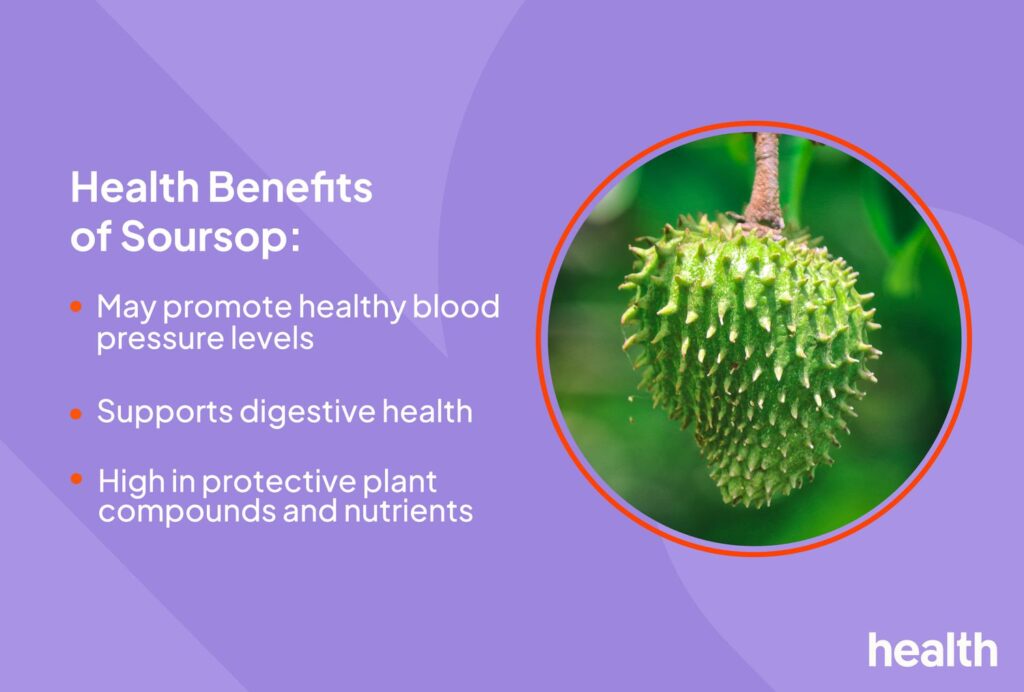
As we navigate the complexities of modern life, it’s easy to overlook the small wonders that surround us. One such wonder is the guanabana, a vibrant green fruit with a rich history of medicinal properties. Native to the Americas, this exotic fruit has been prized for centuries for its culinary and therapeutic benefits. In this article, we’ll delve into the world of guanabana, exploring its nutritional profile, medical applications, and cultural significance.
A Fruit of Exceptional Nutritional Value
Guanabana is a nutrient-dense superfood, boasting an impressive array of vitamins, minerals, and antioxidants. Its high content of micronutrients makes it an excellent addition to a balanced diet. The fruit is particularly rich in vitamin C, with 20mg per every 100 grams. This essential vitamin plays a crucial role in boosting the immune system, protecting against infections, and fighting off diseases.
Boosting Immune Function
One of guanabana’s most significant benefits lies in its ability to strengthen the immune system. The high concentration of vitamin C in this fruit helps to:
- Enhance antibody production
- Activate white blood cells
- Improve overall immune function
By incorporating guanabana into your diet, you may find that your body is better equipped to fight off illnesses and diseases.
Energizing the Body
Guanabana is also a natural energy booster. Its complex carbohydrates help to replenish stores of glycogen, providing sustained energy throughout the day. Additionally, this fruit is rich in carbon-rich compounds, essential for maintaining healthy muscle function and physical performance.
A Natural Anticancer Agent?
Recent studies have suggested that guanabana may possess potent anticancer properties. Its antioxidants are believed to:
- Inhibit tumor growth
- Suppress cancer cell proliferation
- Induce apoptosis (cell death) in malignant cells
While these findings are promising, it’s essential to note that further research is needed to confirm the efficacy of guanabana as a cancer treatment.
Nourishing the Nervous System
Guanabana is also rich in vitamins B and C, which play a crucial role in maintaining healthy nerve function. These nutrients help:
- Regulate neurotransmitter activity
- Promote neural transmission
- Enhance cognitive function
The fruit’s antioxidant properties may also help to protect against neurodegenerative diseases.
Supporting Bone Health
Guanabana is an excellent source of calcium and phosphorus, essential minerals for maintaining strong bones. Its high content of these nutrients can:
- Support bone density
- Reduce the risk of osteoporosis
- Promote overall skeletal health
Soothing Digestive Issues
The fiber content in guanabana helps to regulate bowel movements, alleviate symptoms of irritable bowel syndrome (IBS), and support the growth of beneficial gut bacteria.
A Natural Pain Reliever?
Guanabana has been traditionally used as a natural remedy for pain relief. Its anti-inflammatory properties may help to:
- Reduce inflammation
- Ease muscle tension
- Alleviate headaches
While its effectiveness as a pain reliever is still being studied, guanabana’s potential benefits are certainly worth exploring.
Managing Blood Pressure
Guanabana has been shown to help regulate blood pressure by reducing fluid retention and improving circulation. This makes it an excellent addition to a diet aimed at managing hypertension.
How to Enjoy Guanabana
This delicious fruit can be enjoyed in various ways, including:
- Eating it raw
- Making guanabana juice or smoothies
- Using it in baked goods and desserts
When purchasing guanabana, ensure that you choose pure, unadulterated product without added ingredients.
Precautions and Side Effects
While guanabana is generally considered safe to consume, there are some precautions to be aware of:
- Allergic reactions: Some individuals may experience allergic reactions to guanabana, including hives, itching, and difficulty breathing.
- Interactions with medications: Guanabana may interact with certain medications, such as blood thinners and diabetes medications.
- Pregnancy and breastfeeding: While guanabana is generally considered safe during pregnancy and breastfeeding, it’s essential to consult with a healthcare professional before consuming it.
Cultural Significance of Guanabana
Guanabana has been an integral part of various cultures for centuries. In many Latin American countries, this fruit is known as “soursop” or “graviola.” It’s often used in traditional medicine and is believed to possess mystical powers.
In some African cultures, guanabana is associated with fertility and is believed to promote reproductive health. In other cultures, it’s used as a treatment for various ailments, including fever, diarrhea, and respiratory infections.
Conclusion
Guanabana is a remarkable fruit with an impressive array of nutritional and therapeutic benefits. From boosting immune function to supporting bone health, this superfood offers a wealth of advantages for overall well-being. As we continue to explore the potential of guanabana, it’s essential to remember that its effects should be used in conjunction with a balanced diet and lifestyle.
Frequently Asked Questions
Q: What are the benefits of guanabana for immune function?
A: Guanabana is rich in vitamin C, which plays a crucial role in boosting the immune system, protecting against infections, and fighting off diseases.
Q: How does guanabana support energy production?
A: Guanabana’s complex carbohydrates help to replenish stores of glycogen, providing sustained energy throughout the day.
Q: Is guanabana effective as an anticancer agent?
A: While recent studies suggest that guanabana may possess potent anticancer properties, further research is needed to confirm its efficacy.
Q: Can guanabana be used to treat neurological disorders?
A: Guanabana’s antioxidant properties and vitamin B content make it a potential natural remedy for certain neurodegenerative diseases.
Q: How does guanabana support bone health?
A: Guanabana is rich in calcium and phosphorus, essential minerals for maintaining strong bones.
Q: Can guanabana be used as a natural pain reliever?
A: While its effectiveness as a pain reliever is still being studied, guanabana’s anti-inflammatory properties may help to ease muscle tension and alleviate headaches.
Q: Is guanabana suitable for people with hypertension?
A: Guanabana has been shown to help regulate blood pressure by reducing fluid retention and improving circulation.
Q: How can I incorporate guanabana into my diet?
A: Enjoy guanabana raw, make juice or smoothies, or use it in baked goods and desserts.


