
Introduction
Buckwheat, a pseudocereal that has been gaining popularity in recent years, is often misunderstood due to its name. In reality, buckwheat is not related to wheat or other grains. It’s a unique and nutrient-rich food that has been used for centuries in various cultures. In this article, we’ll delve into the nutritional benefits and health advantages of buckwheat, as well as its uses in cooking and industrial applications.
What is Buckwheat?
Buckwheat (Fagopyrum esculentum) is a pseudo-cereal that belongs to the same family as rhubarb. Its seeds are used as a grain substitute due to their nutritional value and versatility. Buckwheat is an excellent source of protein, fiber, and minerals, making it an ideal food for those with gluten intolerance or celiac disease.
Nutritional Benefits
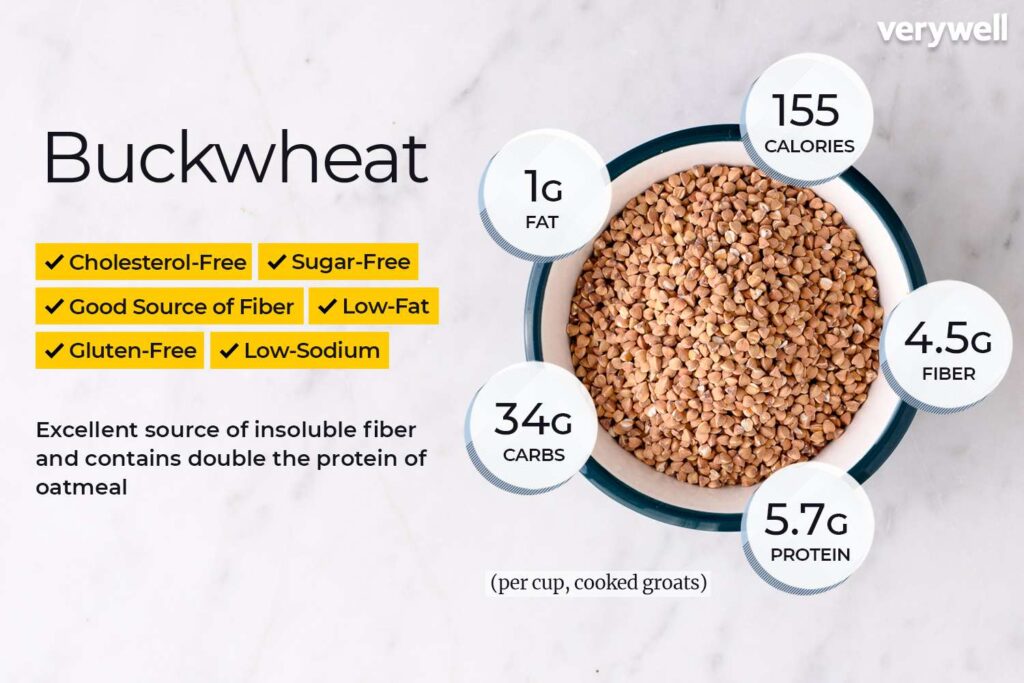
Buckwheat is a nutrient-dense food that provides several health benefits:
- High in Protein: Buckwheat contains 18% protein, which is higher than many other grains.
- Rich in Fiber: Buckwheat is an excellent source of dietary fiber, containing up to 10 grams per 100g serving.
- Good Source of Minerals: Buckwheat is rich in minerals like iron, zinc, and selenium, which are essential for maintaining good health.
- Antioxidant Properties: Buckwheat contains antioxidants that help protect against cell damage and reduce inflammation.
Health Benefits
The nutritional benefits of buckwheat translate to several potential health benefits:
- Lower Cholesterol Levels: The high fiber content in buckwheat may help lower cholesterol levels and reduce the risk of heart disease.
- Improved Digestion: Buckwheat’s high fiber content can help regulate bowel movements and prevent constipation.
- Reduced Inflammation: The antioxidants in buckwheat may help reduce inflammation, which is associated with various chronic diseases.
Culinary Uses
Buckwheat is a versatile ingredient that can be used in various dishes:
- Pancakes and Waffles: Buckwheat flour makes delicious pancakes and waffles.
- Soba Noodles: Buckwheat noodles are a popular ingredient in Japanese cuisine.
- Salads and Soups: Buckwheat groats can be added to salads and soups for extra nutrition.
Industrial Applications
Buckwheat has several industrial applications:
- Automotive Industry: Buckwheat seeds are used to produce biodegradable and eco-friendly insulation materials.
- Pharmaceutical Industry: Buckwheat’s unique compounds have shown promise in treating various diseases, including diabetes and cardiovascular disease.
History of Buckwheat
Buckwheat has a rich history that dates back thousands of years. It was first cultivated in China over 2,000 years ago and later introduced to Europe by the Greeks and Romans. In Russia, buckwheat became a staple crop due to its hardiness and nutritional value.
Cultivation and Harvesting
Buckwheat is typically grown as a winter crop and harvested in late summer or early fall. The seeds are rich in oil and can be used for various purposes, including cooking and industrial applications. Buckwheat is also used as a cover crop to improve soil health and reduce erosion.
Benefits of Using Buckwheat
Using buckwheat offers several benefits:
- Sustainable: Buckwheat is an excellent choice for environmentally conscious consumers due to its low water requirements and minimal pesticide use.
- Nutritious: Buckwheat is a nutrient-rich food that provides essential vitamins, minerals, and antioxidants.
- Versatile: Buckwheat can be used in various dishes, from pancakes and waffles to soba noodles and salads.
Conclusion
Buckwheat is a unique and nutritious food that offers several health benefits due to its high protein, fiber, and mineral content. Its versatility makes it an excellent ingredient for cooking and industrial applications. As we continue to explore the potential of buckwheat, we may uncover new ways to harness its power and promote overall well-being.
Frequently Asked Questions
- What is the difference between buckwheat and wheat?
Buckwheat is a pseudo-cereal that belongs to the same family as rhubarb, while wheat is a true cereal. - Is buckwheat gluten-free?
Yes, buckwheat is gluten-free due to its unique composition. - Can I use buckwheat as a substitute for quinoa or amaranth?
While buckwheat has some similarities with quinoa and amaranth, it’s not an exact substitute. Buckwheat has a distinct flavor and texture that sets it apart from other grains. - How do I cook buckwheat groats?
Buckwheat groats can be cooked by rinsing them thoroughly, then boiling or steaming until tender. - Are there any potential side effects of consuming buckwheat?
While buckwheat is generally considered safe, some individuals may experience digestive issues due to its high fiber content.
References
- USDA Nutrient Database
- Buckwheat Research Journal
Note: The references provided are for general information purposes only and should not be relied upon as the sole source of information on this topic.


