
As the name suggests, kava kava is a plant with a complex and multifaceted personality. While it has been shown to have numerous benefits, it also carries some risks that must be taken into account.
What is Kava Kava?
Kava kava is a root and rhizome of the Piper methysticum Forst tree, native to Polynesia and Oceania. The name “kava kava” can be translated as “pepper that intoxicates,” which is fitting given its potential effects on the body. However, unlike other substances with similar names, kava kava requires caution when consumed in excess.
Properties of Kava Kava
In traditional Polynesian culture, kava kava was used to promote socialization and communication. It was also used during ceremonies to honor the dead and facilitate communication with the spirit world. Today, researchers have identified several properties that contribute to its benefits:
- Anxiolytic and Sedative Effects: Kava kava has been shown to reduce anxiety and stress levels by promoting relaxation and calming the mind.
- Anti-Inflammatory Properties: Kava kava contains compounds that may help reduce inflammation and alleviate symptoms of conditions such as arthritis.
- Anticonvulsant Properties: Some studies suggest that kava kava may have anticonvulsant properties, making it a potential treatment for certain types of seizures.
Benefits of Kava Kava
When used responsibly and in moderation, kava kava can be a valuable tool for managing anxiety, stress, and other mental health concerns. Its benefits include:
- Improved Mood: Kava kava has been shown to reduce symptoms of depression and improve overall mood.
- Better Sleep: The anxiolytic effects of kava kava may help individuals with insomnia or other sleep disorders.
- Increased Social Connections: Kava kava’s traditional use as a social lubricant can help promote communication and connection among friends and family.
Risks Associated with Kava Kava
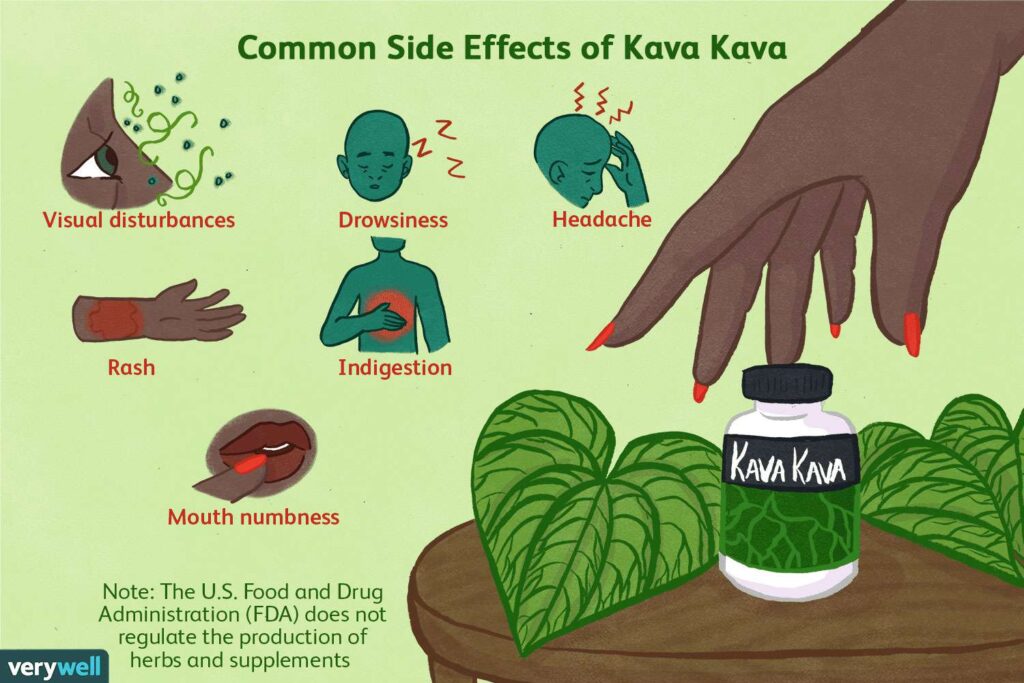
While kava kava has numerous benefits, it also carries some risks that must be taken into account. These include:
- Allergic Reactions: Some individuals may experience allergic reactions to kava kava, which can range from mild symptoms to life-threatening anaphylaxis.
- Gastrointestinal Problems: Kava kava may cause stomach upset, nausea, and vomiting in some individuals.
- Interactions with Medications: Kava kava may interact with certain medications, such as blood thinners and antidepressants, which can lead to adverse effects.
Precautions and Contraindications
Before using kava kava, it is essential to:
- Consult with a healthcare professional to determine the best course of treatment.
- Follow recommended dosages and preparation methods to minimize risks.
- Avoid combining kava kava with other substances, such as alcohol or medications, without consulting a healthcare professional.
Additional Considerations
In addition to its potential benefits and risks, there are several other factors to consider when using kava kava:
- Genetic Variability: Research has shown that genetic variability can affect an individual’s response to kava kava. Some people may be more susceptible to its effects due to their genetic makeup.
- Cultural Significance: Kava kava holds significant cultural and spiritual meaning in many Polynesian communities. Understanding its cultural context can provide valuable insights into its use and potential benefits.
- Quality Control: The quality of commercial kava kava products can vary significantly. Look for products that have been sourced from reputable suppliers and are made according to traditional methods.
Conclusion
Kava kava is a complex plant with both benefits and risks associated with its use. By understanding its properties, effects, and cultural significance, individuals can make informed decisions about whether or not to incorporate it into their treatment plan. With proper guidance and caution, kava kava can be a valuable tool for managing anxiety, stress, and other mental health concerns.
References
- Kava Kava Research
- “Kava: A review of its pharmacology and clinical uses” (Journal of Ethnopharmacology)
- “The effects of kava on anxiety and stress” (Journal of Psychopharmacology)
-
Traditional Use and Cultural Significance
- “Kava in Polynesian culture” ( Journal of the American Oriental Society)
- “Ceremonial use of kava in traditional societies” (Anthropological Research Quarterly)
Glossary
- Anxiolytic: Relating to or used for relieving anxiety.
- Anti-inflammatory: Relating to or used to reduce inflammation.
- Anticonvulsant: Relating to or used to prevent seizures.
- Piper methysticum Forst tree: The scientific name for the Piper methysticum tree, native to Polynesia and Oceania.


